

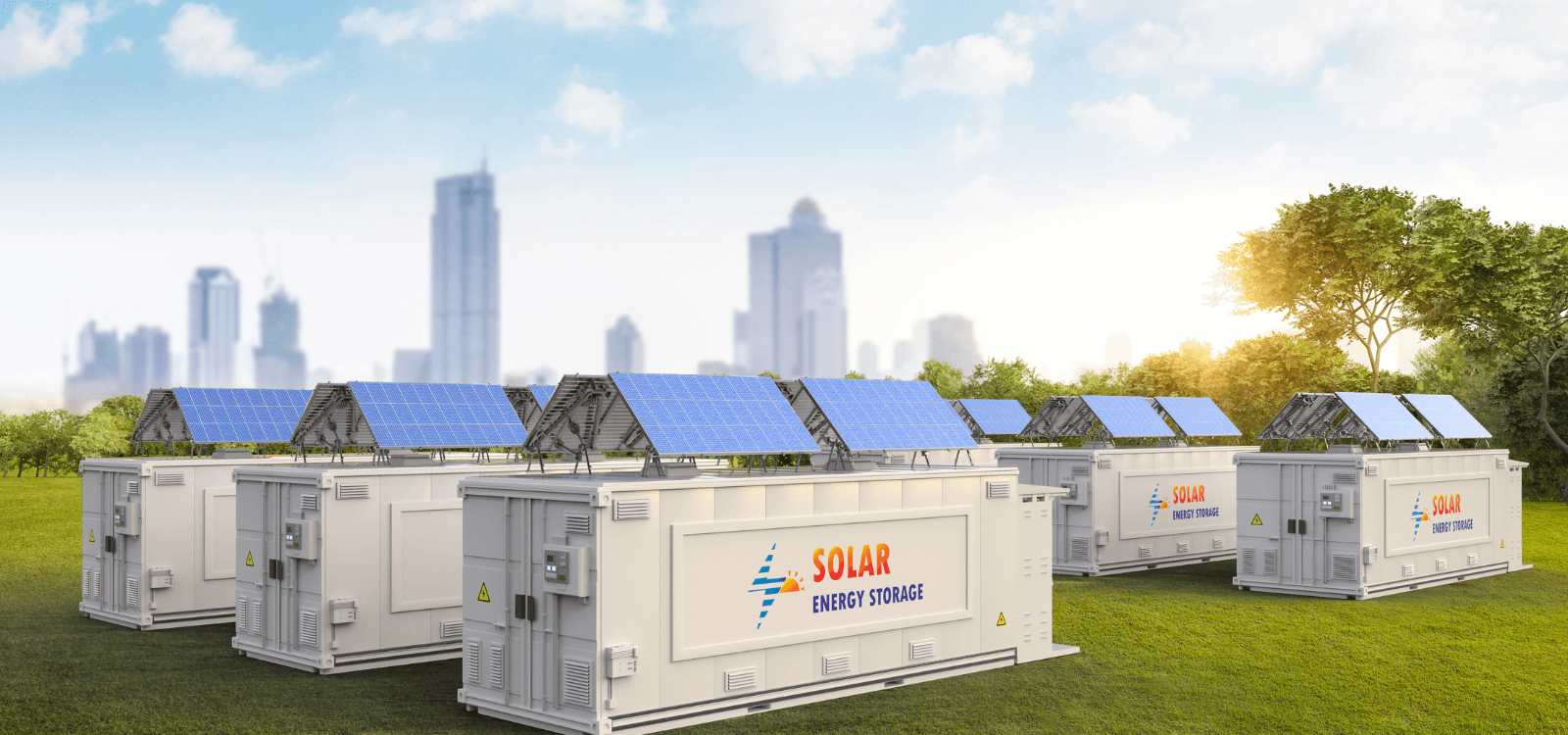
New York's 1 GW bulk storage solicitation pays batteries for real availability and requires safety checks before payment. How the program works.
In July 2025, New York launched its first bulk energy storage solicitation, seeking 1 GW of large-scale battery projects. It's one of the most carefully designed storage programs in the country.
The program isn't only about adding megawatts. It ties payments to real grid value, requires projects to prove they're safe and operating before they get paid, and lines up financing support early.
Here is how New York's storage program works, what makes it different, and what it means for solar and storage owners.
What Is New York's 1 GW Bulk Storage Solicitation?
New York's first bulk energy storage request for proposals, run by NYSERDA, aims to procure 1 GW of large-scale storage using a new Index Storage Credit, according to Solar Power World. It was announced on July 28, 2025.
Step One eligibility applications were due September 4, 2025.
What Else Does New York's Storage Roadmap Fund?
The bulk solicitation is one part of New York's broader energy storage roadmap, which also funds smaller residential, commercial, and community-scale projects.
According to Solar Power World, the roadmap authorizes:
- ●Bulk storage. 1 GW procured through the Index Storage Credit.
- ●Residential storage. 200 MW of new home battery systems.
- ●Commercial and community storage. 1,500 MW of new projects.
- ●Equity requirement. At least 35% of benefits directed to disadvantaged communities.
The commercial and community tier is the most relevant for businesses. It covers the kind of batteries that can sit at a commercial property or alongside an existing solar system.
How Does the Index Storage Credit Work?
The Index Storage Credit pays storage projects based on how much of their capacity is operational and available to discharge each day, giving owners revenue certainty while pushing them to participate in wholesale markets.
According to Solar Power World:
- ●What a credit represents. 1 MWh of storage capacity that is operational and available to discharge on a given day.
- ●How payment works. Projects are paid based on the operational availability they achieve each month.
- ●Contract length. 15 to 25 years.
- ●Market participation. Projects still earn from New York's wholesale energy and capacity markets.
That's a shift from flat, one-size-fits-all incentives. Projects that are available when the grid needs them earn more. Projects that sit offline earn less.
Why Does New York Require Safety Before Payment?
NYSERDA won't pay projects until they're permitted, installed, operating, and have passed peer review and a quality assurance inspection. Every proposal must also include a comprehensive safety and security plan.
That flips the usual order. Instead of funding projects first and hoping they perform, New York pays only after projects prove they're built right.
Battery safety has been a public concern after high-profile fires elsewhere. Building those checks into the contract helps protect public trust, which matters for getting future projects sited and approved.
It's not just about building storage. It's about building storage people can count on.
How Is New York Handling Financing Gaps?
NY Green Bank is prepared to offer developers and investors a range of financing options to help storage projects move forward, according to Solar Power World.
Storage projects often stall on long permitting timelines and high upfront interconnection costs. Lining up financing support early helps keep projects from dying in development.
That kind of planning is rare. Many programs set targets without addressing the practical barriers that keep projects from getting built.
The long contracts help too. A 15- to 25-year revenue stream tied to availability gives lenders something predictable to underwrite, which can lower financing costs for the whole project.
How Does New York Compare to Other Grids?
New York's approach is more structured than most, but other grids show both what storage can do and how far some regions have to go.
- ●Australia. The Waratah Super Battery acts as a grid "shock absorber," letting transmission lines carry more power.
- ●The Midwest. MISO needs roughly 500% more battery storage by 2035 and is far off track.
- ●The U.S. overall. Storage installations hit a record in early 2026, driven by data centers, price volatility, and grid constraints.
Why Does Storage Matter for New York's Grid?
Storage helps New York shift solar power into evening peaks, relieve congested lines, and replace aging fossil plants that are retiring. It's a key part of the state's plan to keep the grid reliable as demand grows.
A Synapse Energy Economics study found that pairing distributed solar with storage could save New Yorkers billions. And the state's energy planning puts storage alongside solar as a core resource through 2040.
What Does This Mean for Commercial Solar Owners?
New York is signaling that storage paired with solar is a long-term priority, which can make existing solar sites more valuable if they're working and well positioned.
Many commercial systems installed in the 2010s were built without storage and are now losing output to aging equipment. Repowering can restore production and, where it makes sense, add a battery that opens up new revenue and backup value.
For more on the process, see what solar repowering involves.
Start With a Ballpark Estimate
If you own a commercial solar system in New York, the market for solar and storage is changing fast. Find out what your existing solar project may be worth before deciding whether to repair, repower, or sell.
Source: Solar Power World, "New York is looking for 1 GW of energy storage projects right now"
Ready to Discuss Your Project?
Get your instant estimate or talk to our team about your legacy solar project.


