

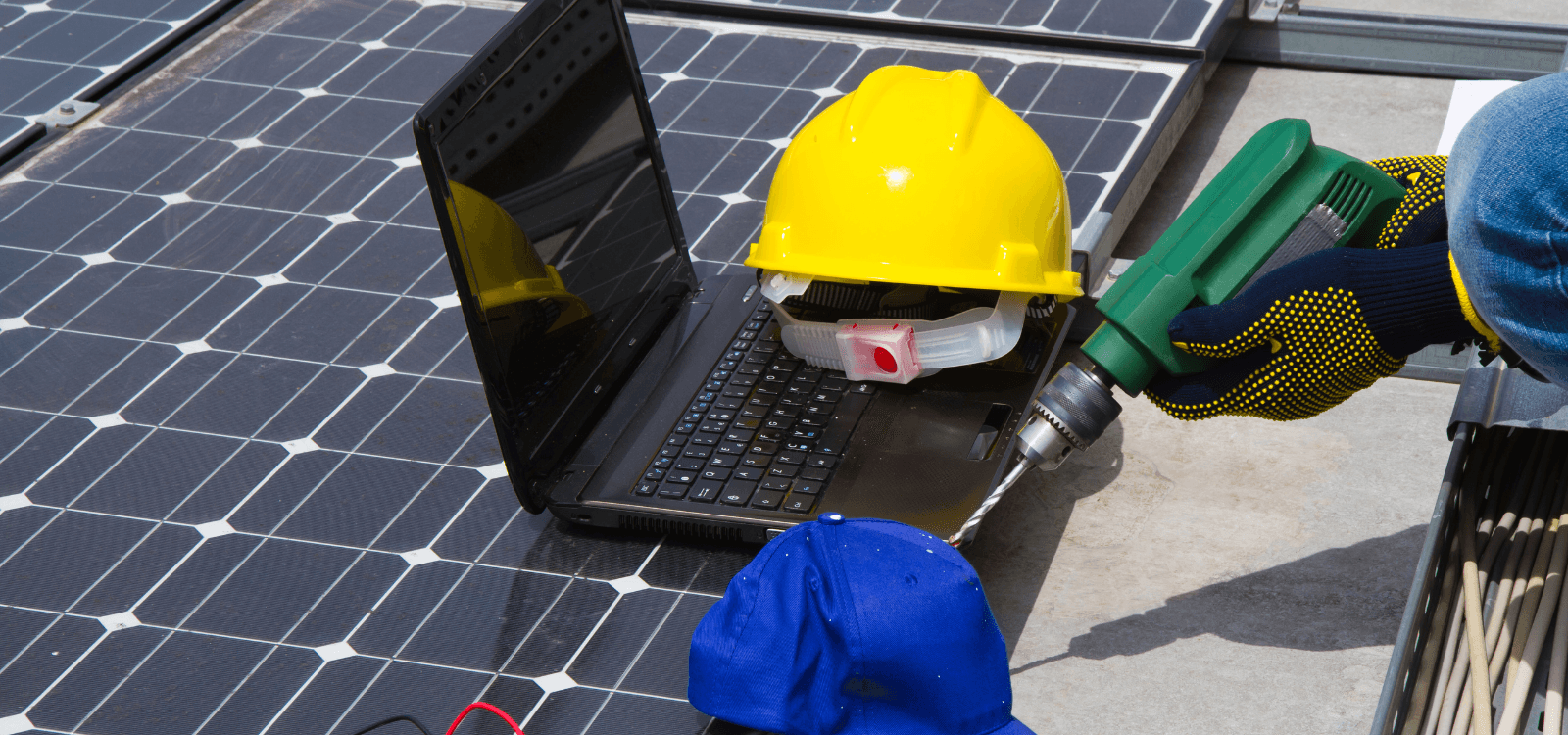
As the U.S. solar fleet matures, 2026 is shaping up to be a turning point where repowering moves from the margins to the core of industry growth. With millions of systems aging, demand rising, and new projects taking years to deliver, extending the life and performance of existing solar assets is becoming one of the fastest and most practical paths forward.
2026 is shaping up to be a year of reset, repowering, and resilient growth for solar.
After a period of uncertainty, the solar industry is entering a familiar phase. Headwinds are real, but they’re not new. What’s changing is where the opportunity sits and who is best positioned to capture it.
One theme stands out heading into 2026: repowering is moving from the sidelines to the center of the market.
Across the U.S., a growing share of solar systems are reaching mid-life. Inverters and other electronic components degrade faster than panels, leaving many owners with underperforming or non-producing systems. Roughly one million residential systems are already over 10 years old, with hundreds of thousands more aging into that category each year. At the same time, installer churn has left many systems orphaned, with no clear path to service or upgrades.
That combination is turning repowering into one of the most practical ways to keep solar capacity online, restore performance, and protect long-term value. At a time when electricity demand is rising and new generation can take years to permit and build, repowering is one of the few ways to add reliable capacity quickly using infrastructure that already exists.
For many owners, the decision isn’t philosophical. It’s a system that’s past its warranty, underperforming, or no longer worth the time and capital to manage. In many cases, these projects have already paid back their original investment. Repowering confirms whether it still makes sense to keep operating the asset, or whether it’s time for a clean transition.
Mid-sized, regional players are emerging as stabilizers. They’re large enough to operate efficiently, but close enough to their assets and customers to stay accountable over time. As incentives fade and performance, uptime, and service quality matter more, service-driven models win.
This shift reflects what we’re seeing across the industry. Growth in 2026 won’t come only from building new projects. It will come from taking better care of the assets we already have, and avoiding the cost, delay, and uncertainty of starting from scratch while preserving valuable grid access.
That’s exactly the opportunity Do Good Energy is built around. As the U.S. solar fleet matures, we’re focused on what too many overlook: buying legacy solar projects and repowering them for today’s energy needs. We help keep these assets productive, reliable, and valuable as electricity demand continues to grow.
If solar is going to keep pace with what’s coming, extending the life and performance of existing assets will matter just as much as building new ones.
Own a commercial solar project that’s aging, underperforming, or no longer meeting expectations? Share the details here: https://www.dogood.energy/intake-form?utm_source=linkedin&utm_medium=dge_page&utm_campaign=repowering_lifecycle_management&utm_content=2026_solar_repowering_reset
Ready to Discuss Your Project?
Get your instant estimate or talk to our team about your legacy solar project.


