

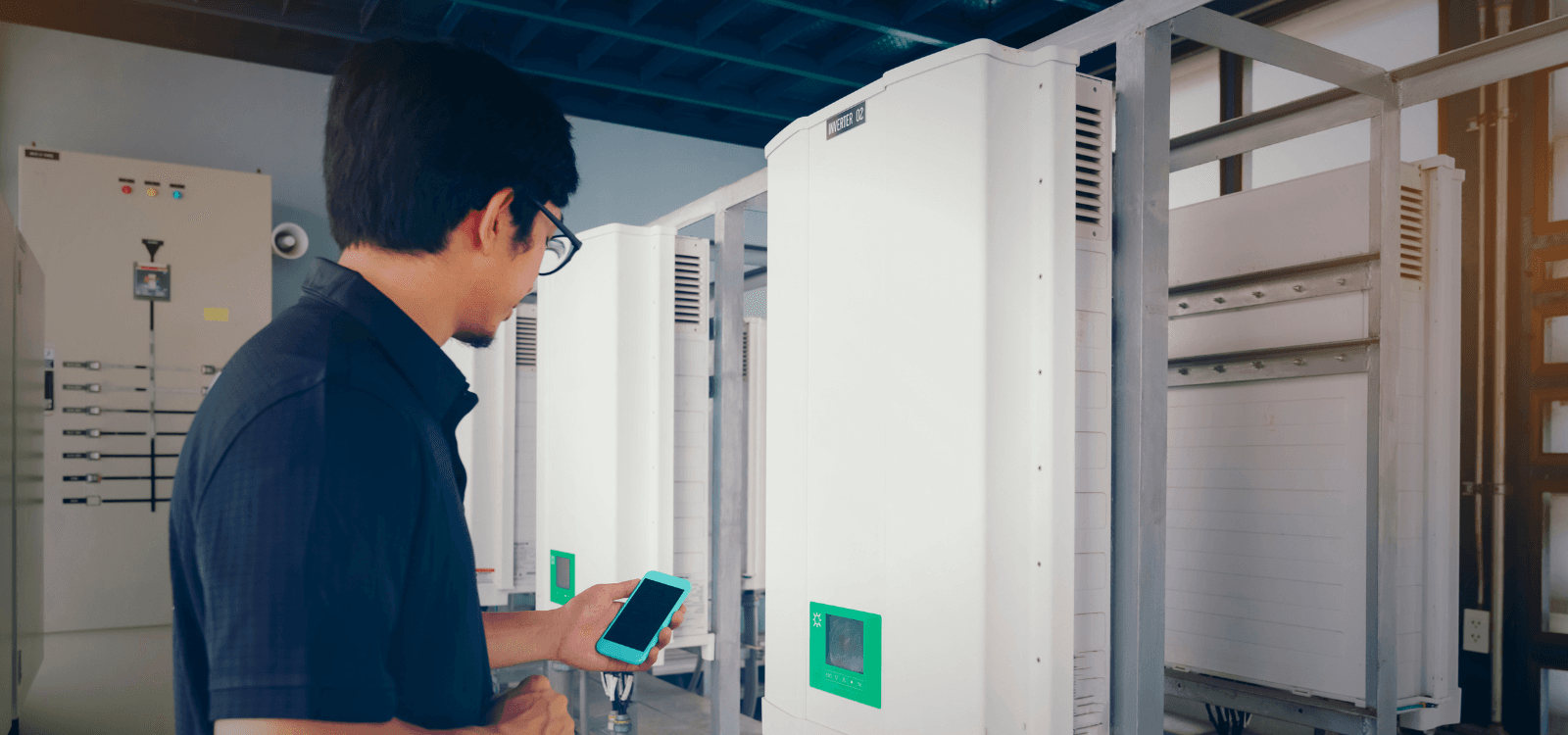
As solar panels outlast their inverters, thousands of U.S. systems built in the 2010s are hitting a critical inflection point. New inverter designs tailored for repowering are making it easier and cheaper to keep legacy solar assets productive, turning an overlooked maintenance issue into one of the fastest ways to add reliable clean power.
Solar panels can outlast their inverters by a decade or more. That's becoming a problem.
Across the U.S., thousands of solar systems built in the 2010s still have functioning panels, but the electronics that convert power are failing, outdated, or unsupported. As more systems reach this stage, inverter repowering is becoming essential to keeping solar assets productive.
Until recently, that process was harder than it needed to be.
Older systems were built around specific voltages and fixed power ratings tied to interconnection rules and incentive programs. When an inverter failed, replacing it often meant redesigning strings, rewiring arrays, sourcing compatible replacements, or risking compliance issues. Installers had to stock multiple inverter models, while owners faced delays, higher costs, and uncertainty.
That’s starting to change.
Inverter manufacturers are now designing products specifically for repowering. New configurable inverters allow installers to set maximum AC output through software during commissioning. Instead of warehousing multiple inverter models to match legacy system sizes, installers can digitally configure output to meet existing limits and requirements.
The common goal: flexibility, faster commissioning, and fewer unexpected problems.
Why does this matter?
The repowering opportunity is growing quickly. More than a million U.S. residential solar systems are already over 10 years old, with hundreds of thousands more reaching that stage each year. Many of these systems have already paid back their original investment. Owners are often willing to make a targeted upgrade if it keeps production flowing and avoids a full rebuild.
This is the overlooked side of solar growth. While new projects get most of the attention, repowering existing systems is one of the fastest and most cost-effective ways to add reliable, clean power without new land, new interconnections, or long development timelines.
That’s exactly the opportunity Do Good Energy is built around. As the U.S. solar fleet matures, we’re focused on what too many overlook: buying legacy solar projects and repowering them for today’s energy needs. We help keep these assets productive, reliable, and valuable as electricity demand continues to grow.
If demand is rising now and new projects take longer to deliver, keeping existing solar systems performing well matters just as much as building new ones.
Own a commercial solar project that’s aging, inverter-limited, or underperforming?Share the details here: https://www.dogood.energy/solarestimate?utm_source=linkedin&utm_medium=dge_page&utm_campaign=repowering_lifecycle_management&utm_content=inverter_repowering_solar_systems
https://www.solarpowerworldonline.com/2026/01/inverter-manufacturers-simplify-repowering-process/
Ready to Discuss Your Project?
Get your instant estimate or talk to our team about your legacy solar project.


