

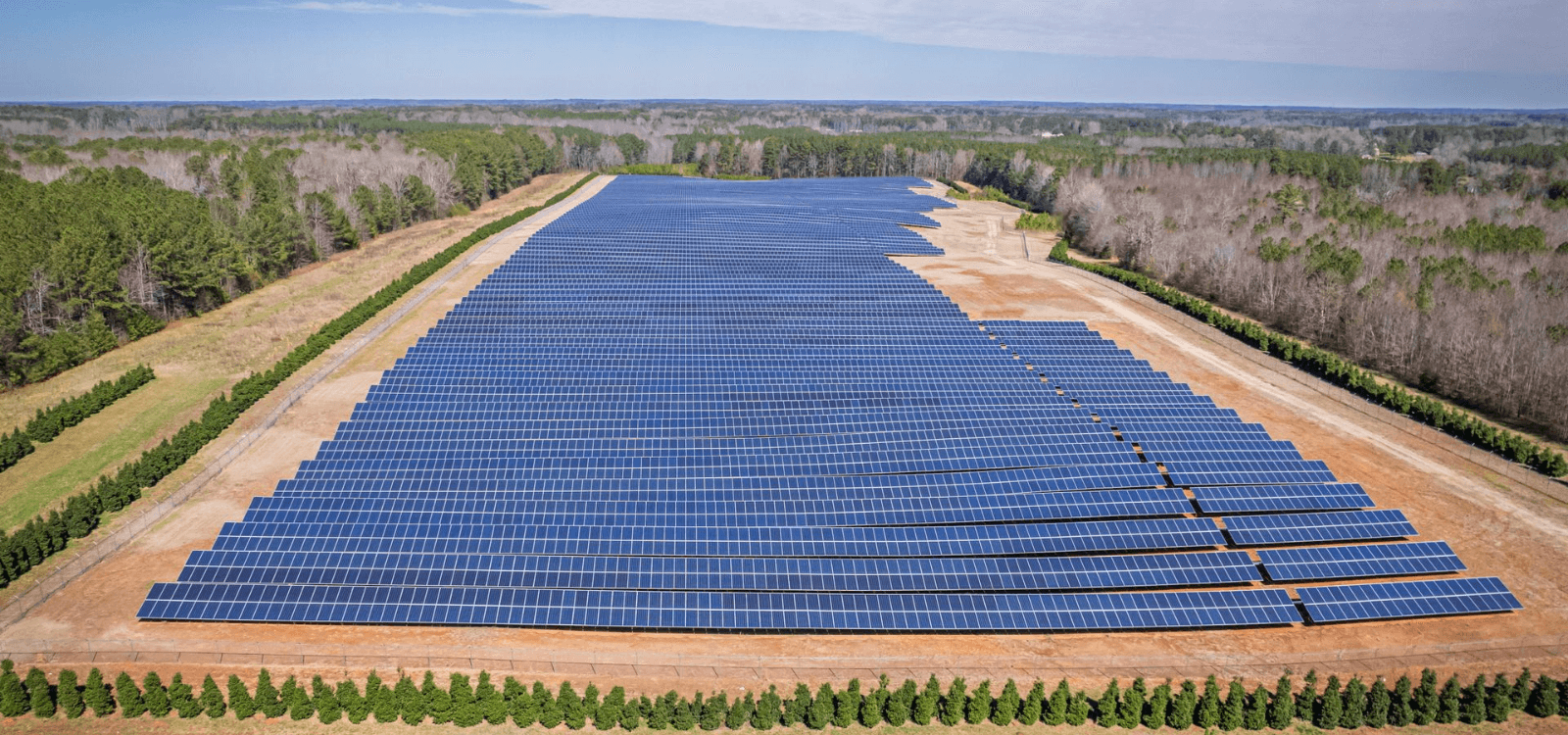
Maryland’s proposed Affordable Solar Act pairs a clear solar growth target with a firm commitment to affordability. By using competitive procurement and existing clean energy funds, the bill aims to add 1.3 GW of new solar by 2035 while protecting ratepayers and expanding access to renters and underserved households.
Update, October 2026: the Affordable Solar Act did not pass. After its committee hearing in February 2026, the bill saw no further action before the legislative session ended (HB 345 on the Maryland General Assembly site). The story below is as we reported it in February.
Good News, Thursday.
Maryland just introduced one of the more pragmatic solar bills we’ve seen in a while.
Maryland Delegate Lorig Charkoudian and Senator Benjamin Brooks Sr. have put forward the Affordable Solar Act, which sets a target to bring 4 GW of solar online by 2035. Maryland currently has about 2.7 GW of installed solar, so the bill would add roughly 1.3 GW of new solar capacity over the next decade.
What makes it notable isn’t just the size of the goal, but how the state plans to get there: competitive procurement, updated incentives, and a clear requirement that utility bills don’t go up.
Instead of new taxes or fees, the bill would use funds already collected through Maryland’s renewable portfolio standard to run competitive solicitations for utility-scale solar. That approach borrows from models used in states like New Jersey, where competition has helped drive costs down rather than up.
The bill updates Maryland’s Solar Renewable Energy Credit program to expand participation beyond single-family homeowners. By legalizing portable solar systems and strengthening community solar pathways, it opens access for renters, apartment dwellers, and households without suitable rooftops, groups that have largely been excluded from solar despite paying into the same energy system.
All of this comes as Maryland faces a gap between its clean energy targets and actual in-state generation, with roughly 42% of the electricity consumed in the state still imported from outside its borders. More local solar helps hedge against fuel price volatility and reduces reliance on imported power, especially as regional grids face rising demand and congestion.
There are still open questions. How quickly can procurement move? And can this framework deliver 4 GW of new utility-scale solar at a time when federal incentives are less certain?
Maryland has already built most of its existing solar fleet under stronger federal support. Trying to scale the next phase primarily through state-level tools and competitive pricing makes this effort especially interesting to watch.
It’s early, and the bill still has a long path ahead. But the direction is encouraging. Maryland is showing that it’s possible to grow solar, protect ratepayers, and expand access at the same time. If this framework holds, it could become a model for other states looking to do the same.
Ready to Discuss Your Project?
Get your instant estimate or talk to our team about your legacy solar project.


