

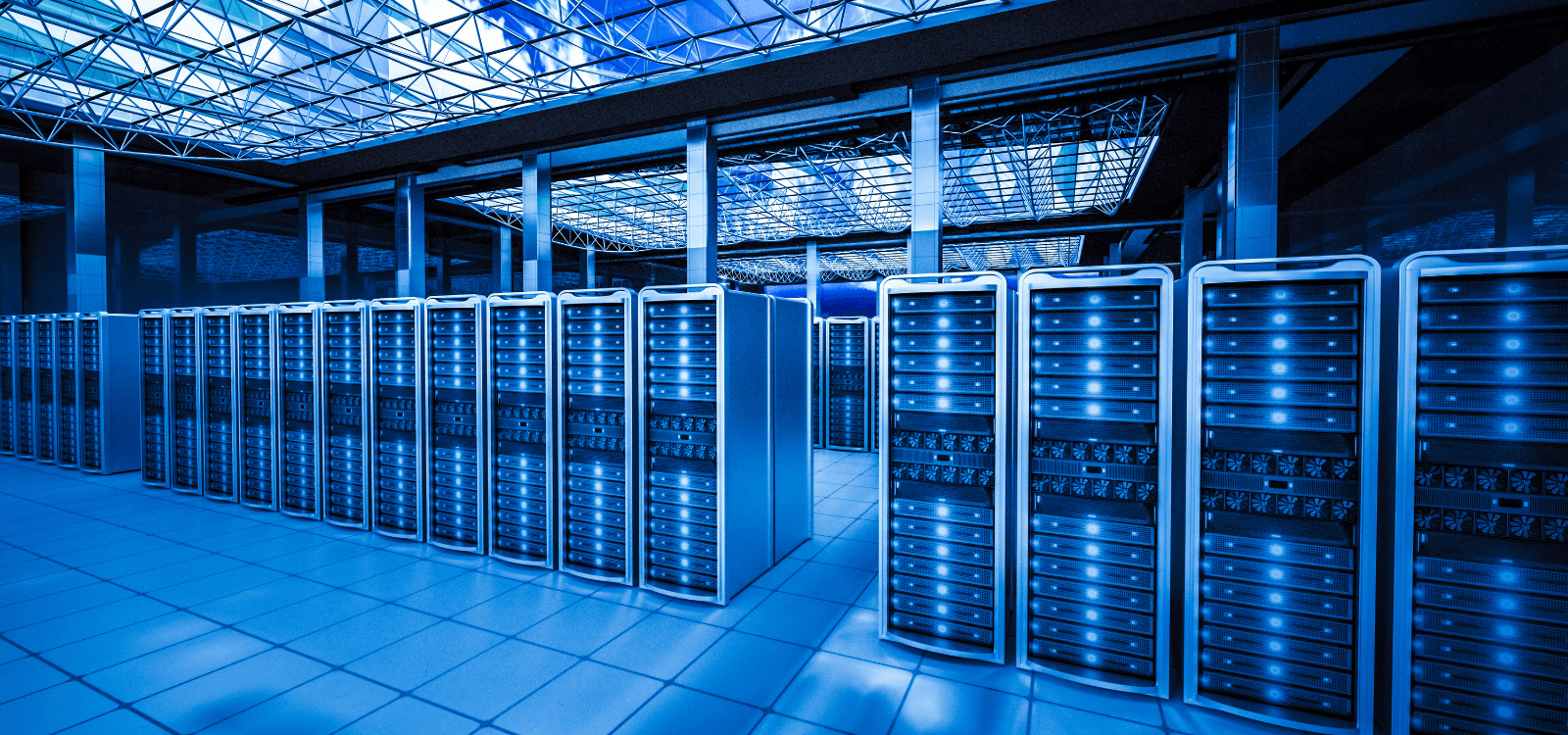
Governors across the Mid-Atlantic are considering a “Bring Your Own Generation” policy to let data centers build their own power plants in exchange for faster grid connections. The proposal could ease pressure on PJM’s congested system but raises major questions about equity, reliability, and who pays for shared infrastructure if private power becomes the norm.
The Mid-Atlantic may be pushing data centers to generate their own electricity.
Governors in Pennsylvania, New Jersey, Maryland, and Virginia are proposing a “Bring Your Own Generation” model. Under this policy, data centers could build their own power supply and, in return, get connected to the grid faster. The goal is to ease pressure on the grid and speed up new projects.
The idea sounds simple, but it cannot work under the current rules. PJM Interconnection would need to change how it runs its queue. The Federal Energy Regulatory Commission (FERC) would need to approve new processes. Each PJM state (13) would need new laws to let utilities offer this kind of service. None of that exists today.
If BYOG becomes real, it would change how data centers get built. Here’s what that could look like:
- ●Developers with the money to build their own power plants would move faster than those who rely on the normal grid process.
- ●Planning the grid would get harder as private power would operate outside the usual PJM system.
- ●Solar and batteries could grow fast since they are the quickest projects to build for BYOG.
The bigger question is what this means for everyone else. If private companies start building and controlling their own generation, the structure of our energy system shifts. Today, everyone shares the same grid, and costs are spread across millions of customers. If select power becomes private, who gets priority during shortages? Who pays for shared infrastructure? Who gets affordable power if parts of the grid fall behind while big companies power themselves separately? Are these BYOG projects even connected to the grid?
What happens in a blackout? Do data centers go back online first because they have their own plants? What happens to public electrical projects that are purchased and taken private? If there is a shortage of transformers after a storm, does the deepest pocket get the next one?
Even if data centers build their own power, most will still need the grid for backup and stability. That means states still need more transmission and more clean generation for everyone, not just private developers. If they are sharing the grid, this would partially eliminate the goal of BYOG, as the cost to connect, upgrade, and backup their energy would be distributed to everyone.
So what should happen next? States need to decide how to protect the public while encouraging investment. There are clear policy hurdles for PJM, but that is believing that BYOG is the correct path forward. Other regions are exploring similar ideas, and while everyone wants progress to move fast, transforming the energy system will take time and coordination.
Buckle up, the shifting energy system landscape continues to be fun.
Ready to Discuss Your Project?
Get your instant estimate or talk to our team about your legacy solar project.


