

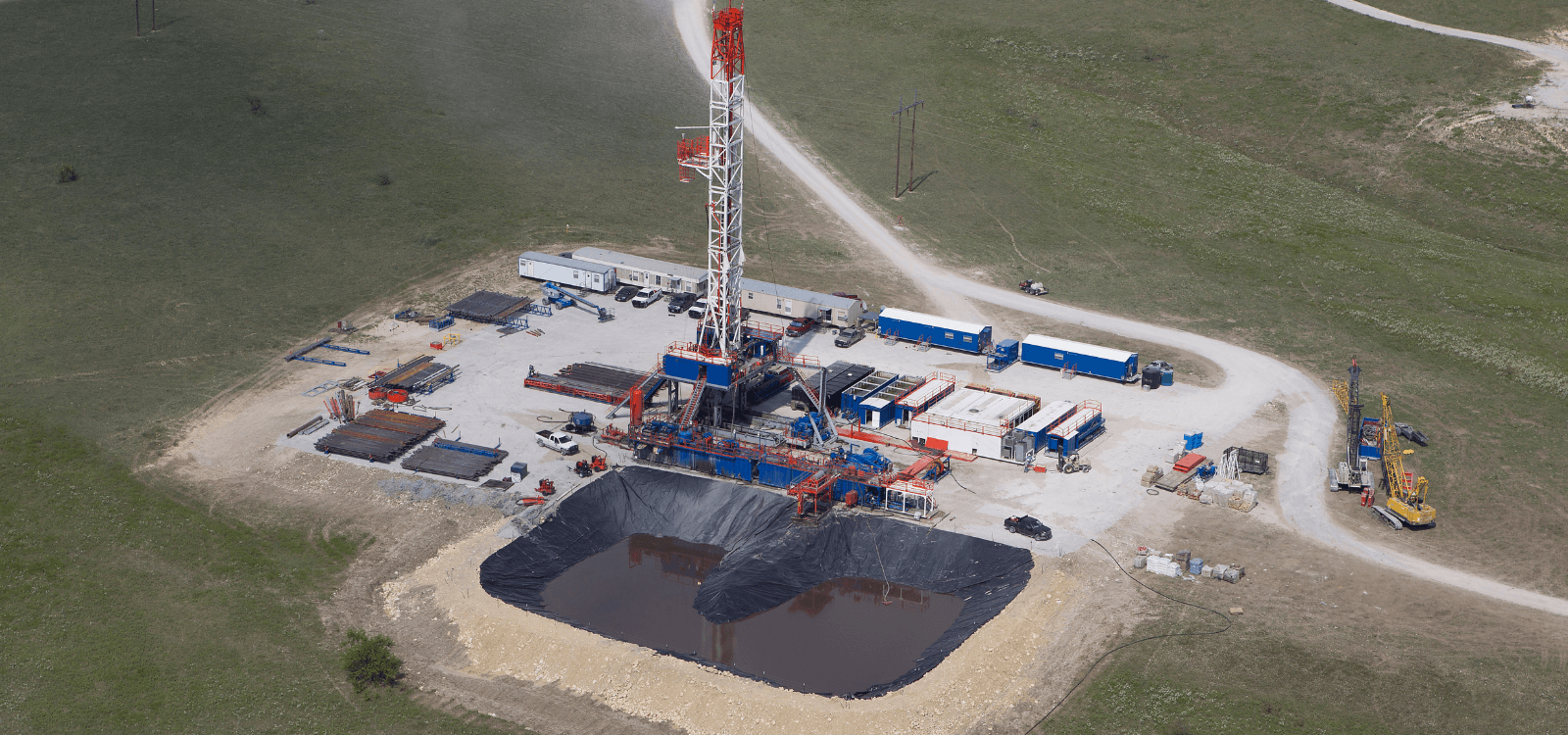
Natural gas was once seen as the lowest-cost path to reliable power. In 2025, that assumption no longer holds. New gas plants are slower and far more expensive to build, fuel prices are rising with global LNG demand, and households are already feeling the impact through higher electricity and heating bills.
Natural gas used to mean cheap electricity. That is no longer true.
For years, utilities treated natural gas as the affordable and reliable option. The numbers in 2025 tell a different story. Prices are climbing, and the cost of building new gas plants is rising right along with them.
New gas plants are far more expensive to build than the ones constructed a decade ago. Turbine manufacturers scaled back production after years of low demand. Now, utilities face wait times of 5 to 7 years to obtain the necessary equipment. Much of the skilled workforce that built gas plants in the 2000s and 2010s has retired or moved into other industries.
NextEra Energy, Inc. CEO says a new gas plant today would cost three times more than the same plant they built in 2022.
Fuel costs are rising as well. Natural gas prices jumped 59% from 2024 to 2025. EIA expects another 14% increase in 2026. LNG exports are expanding under new federal direction, and as exports grow, domestic gas competes with higher-priced markets overseas. When those buyers pay more, American homes and businesses feel the impact.
Households feel this directly. Wholesale electricity prices rose 23% this year. Another increase is expected next year. Retail gas utility service is up 11%. Heating bills are projected to rise again this winter.
Millions of people are already struggling with their bills. One in twenty households now owes enough in utility debt to be sent to collections.
Even so, some states still assume natural gas is the cheapest way to meet new demand from data centers and electrification. That belief no longer matches the facts. When gas is expensive to build and expensive to burn, it drives rates higher for everyone.
The real issue is that gas no longer offers stability. Construction takes years, fuel prices jump with global demand, and export policy pushes domestic costs higher.
We are past the point of pretending gas is the cheap option. If utilities keep investing in it, they are choosing higher bills. The smarter path is the one that actually lowers costs.
Ready to Discuss Your Project?
Get your instant estimate or talk to our team about your legacy solar project.


