

New York set a new solar generation record, but the state's latest grid outlook shows reliability challenges remain. The issue isn't too much solar. It's the need for more flexible capacity and grid infrastructure.
New York's Solar Hit a Record. The Grid Is Still Getting Tighter.
New York reached a new solar milestone on June 3.
At noon, solar supplied about 5.6 GW of electricity, meeting roughly 29% of statewide demand. According to the New York Independent System Operator, about 5.1 GW came from behind-the-meter systems installed on homes, businesses, and other customer sites.
The same day, NYISO released its 2026 Power Trends report warning that the state's reliability margins are becoming increasingly tight.
Those two headlines are connected, but not in the way many people assume.
Solar Isn't Causing the Reliability Challenge
New York's reliability concerns are largely being driven by the retirement of older fossil fuel plants while replacement resources are arriving more slowly.
Without the growth in solar, the supply gap would likely be even larger.
Solar Solves Part of the Problem
Solar adds low-cost electricity during daylight hours.
Once installed, it operates without fuel costs and is typically dispatched before higher-cost generation, helping reduce wholesale electricity prices.
But solar is designed to produce energy, not provide continuous, on-demand generation during every operating condition.
What's Still Missing
The challenge becomes most visible during extended periods of grid stress.
Winter Storm Fern highlighted that reality.
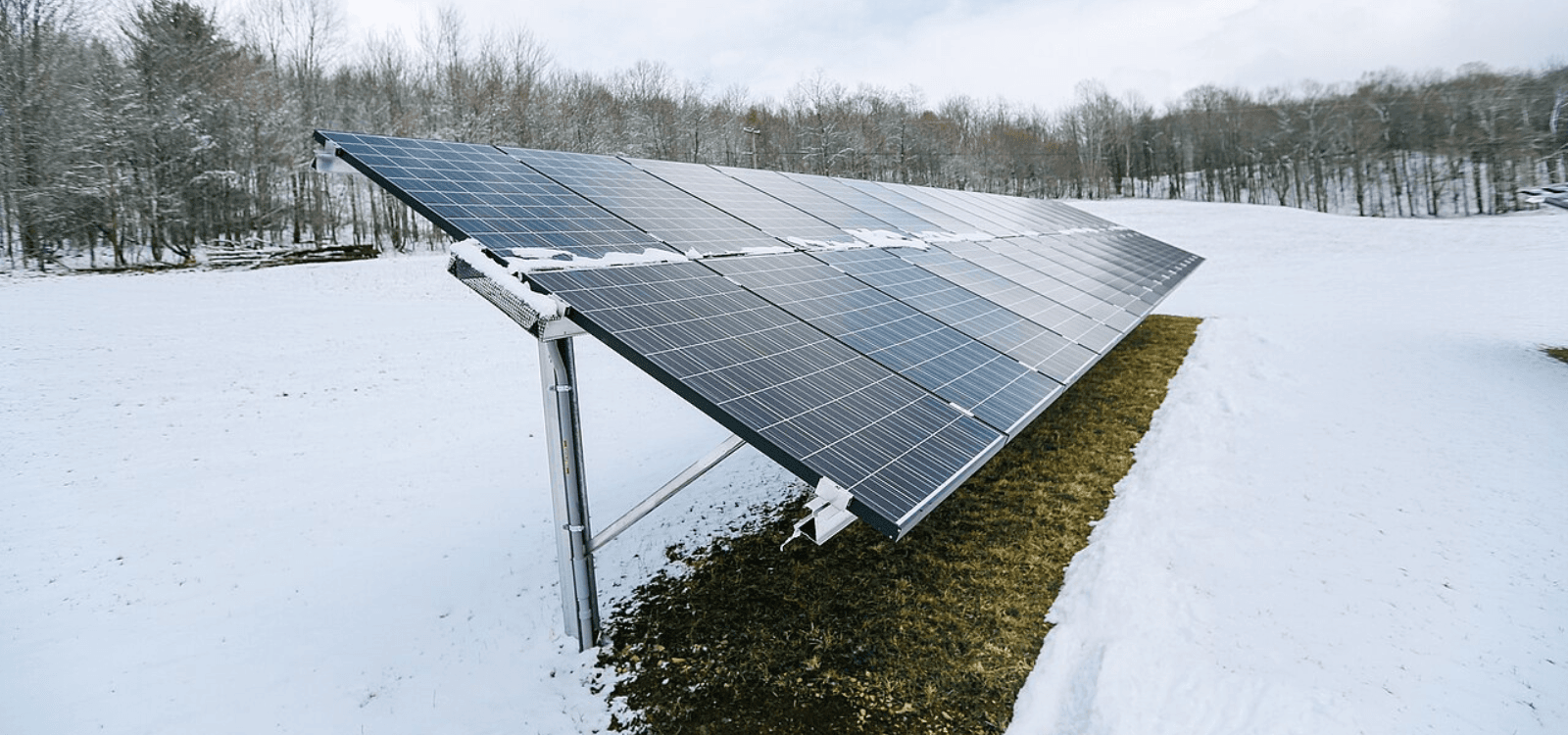
Snow-covered solar panels, lower wind generation, and high electricity demand required the grid to rely on dispatchable generation and transmission infrastructure capable of delivering electricity when renewable output was limited.
New York's Demand Is Changing
Another factor is the state's evolving load profile.
New York is increasingly moving toward a winter peak, when electricity demand is highest but solar production is naturally lower because of shorter daylight hours and lower sun angles.
That changes the type of resources needed to maintain reliability.
Building the Rest of the System
NYISO's message is not that renewable energy should slow down.
Instead, the report points toward a broader portfolio of resources.
That includes:
- ●More long-duration energy storage
- ●Expanded transmission capacity
- ●Faster interconnection of new projects
- ●Additional flexible generation that can respond when renewable output falls
Solar Is Part of the Solution
Record solar production demonstrates how quickly renewable energy is becoming part of New York's electricity system.
The remaining challenge is ensuring the grid has enough flexible capacity to complement that growth during periods when solar alone cannot meet demand.
The discussion is no longer about choosing between solar and reliability.
It is about building the rest of the infrastructure needed to support both.
Ready to Discuss Your Project?
Get your instant estimate or talk to our team about your legacy solar project.


