

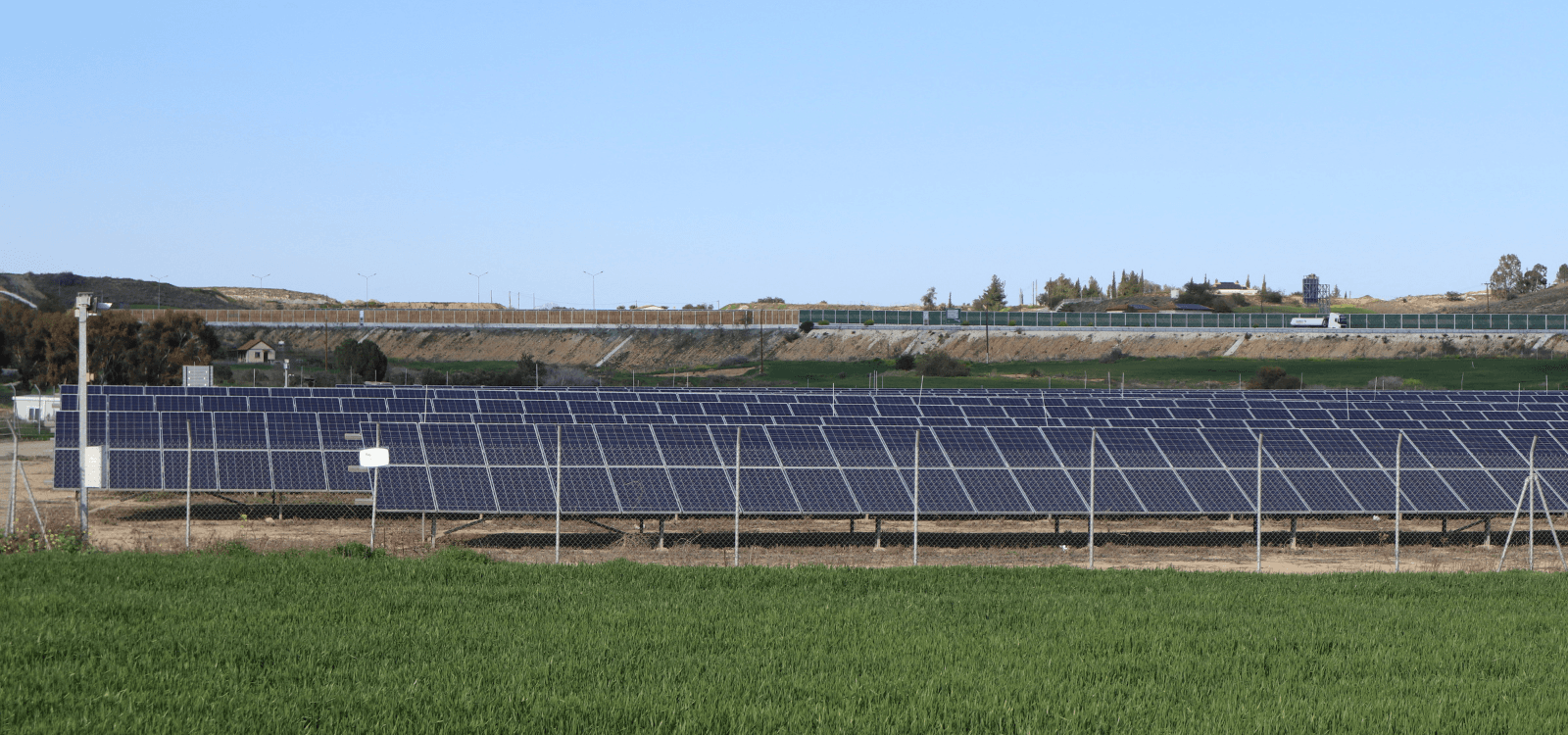
North Carolina is exploring a way to give its early utility-scale solar fleet a second life. With nearly 1.9 GW of projects approaching PPA expiration, state officials are considering pairing aging solar farms with battery storage to extend contracts, boost grid value, and preserve capacity that is already built and interconnected.
North Carolina may be giving its early solar boom a second chance.
A decade ago, North Carolina built one of the largest utility-scale solar fleets in the country. Today, many of those projects are reaching the end of their original power purchase agreements with Duke Energy Corporation.
Roughly 1.9 GW of solar capacity is set to see contracts expire over the next five years. Without a path forward, a significant share of that capacity could be underutilized or retired, even though the land, interconnection, and core infrastructure are already in place.
Officials in North Carolina are discussing how to revitalize the state's aging solar infrastructure through the integration of battery storage systems into existing facilities. Under the plan, owners of older solar farms could receive a new 10-year contract from Duke Energy on favorable terms if they add battery storage to their existing projects. The storage would be designed to deliver power during peak hours and high‑stress grid conditions, increasing capacity value without requiring new land, interconnection, or transmission.
In plain terms, this is a form of repowering.
Adding batteries turns aging solar into something far more valuable. It allows projects to serve evening peaks, reduce congestion, and support reliability, especially as electricity demand grows from data centers and electrification. Because these sites are already built and connected, upgrading them is often faster and cheaper than permitting and constructing new generation or transmission.
The timing matters. Many of these projects were developed under earlier policies, including more favorable PURPA contracts, that no longer exist. With only five-years of contract life remaining, it makes it hard to justify meaningful upgrades, but a ten to fifteen years of runway, paired with federal storage tax credits, could make repowering pencil out.
There are still real questions. Retrofitting older sites can trigger updated permitting requirements. Not every project is best served by batteries alone. And the details of pricing and contract structure will matter. But the direction is notable.
Instead of letting working solar assets fade out, North Carolina is exploring how to extend their life and increase their value.
As more early solar projects across the U.S. approach contract expiration, this kind of approach is likely to come up again and again. The next phase of solar growth won’t just be about building new projects. It will also be about deciding what to do with the ones we already built.
At Do Good Energy, this is exactly where we focus. We acquire legacy solar projects and repower them so they remain productive, reliable, and aligned with today’s grid needs instead of being retired before their time.
Own a commercial solar project that’s aging, underperforming, or no longer meeting expectations? Share the details here: https://www.dogood.energy/solarestimate?utm_source=linkedin&utm_medium=dge_page&utm_campaign=repowering_lifecycle_management&utm_content=north_carolina_solar_repowering_second_life
Ready to Discuss Your Project?
Get your instant estimate or talk to our team about your legacy solar project.


