

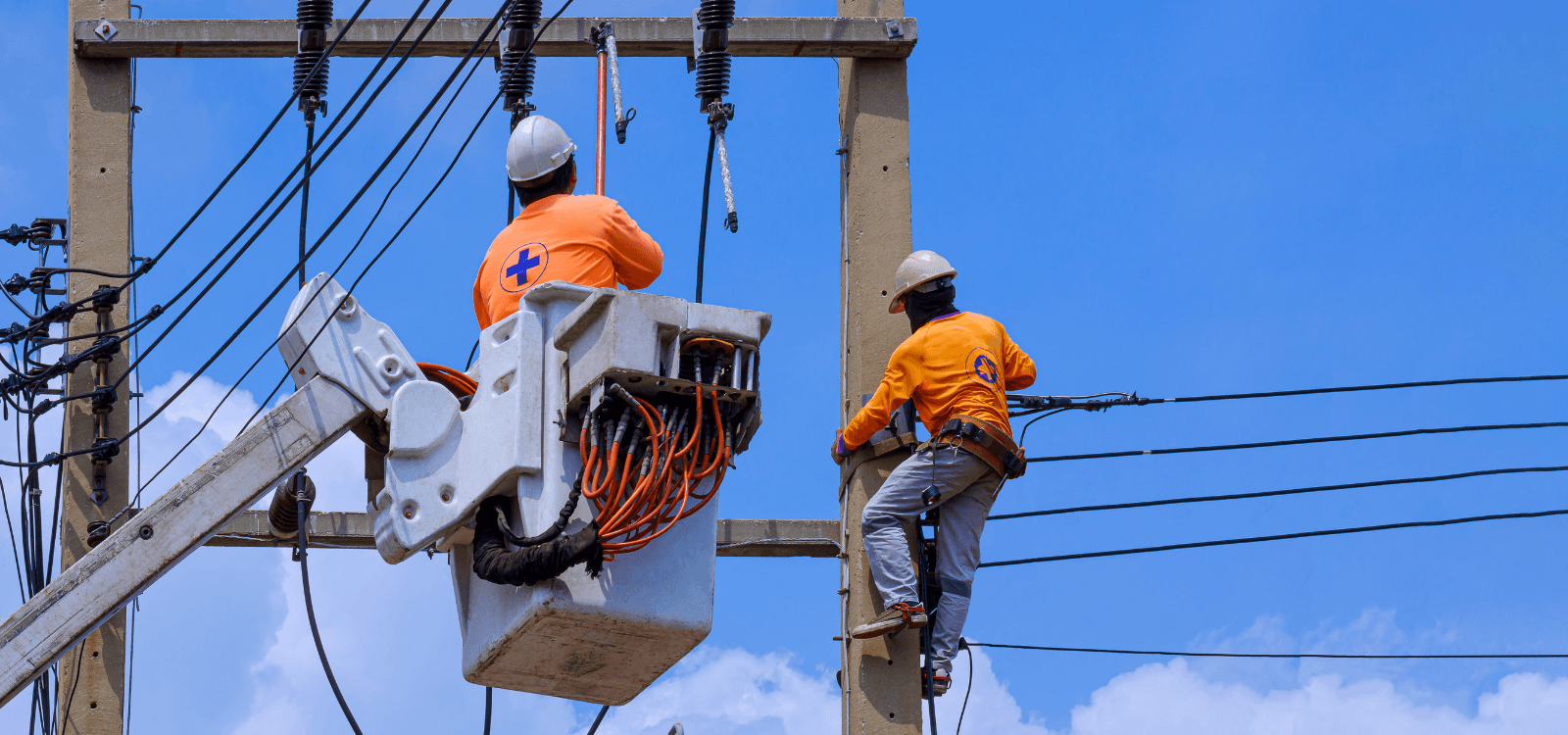
PJM approved $11.8 billion in new transmission projects as electricity demand from data centers and large industrial loads accelerates. The grid buildout, including major 765-kV lines and a new HVDC backbone in Virginia, signals how utilities are preparing for rapid load growth across the Mid-Atlantic and Midwest.
PJM Approves $11.8 Billion Grid Expansion as Power Demand Surges
PJM Interconnection has approved one of the largest transmission expansions currently underway in the United States. The organization’s board signed off on $11.8 billion in baseline transmission projects under its 2025 Regional Transmission Expansion Plan (RTEP) Window 1, spanning parts of the Mid-Atlantic and Midwest.
At the same time, American Electric Power (AEP) doubled its forecast for incremental large-load demand to 56 GW by 2030 after signing agreements for an additional 28 GW since last October.
These developments are closely linked. Transmission expansion is accelerating because electricity demand from large industrial users—especially data centers—is growing faster than the existing grid was designed to handle.
Major Transmission Projects Taking Shape
One of the most significant projects approved in the plan is a 300-mile, 765-kilovolt transmission line in central Ohio. The line will be developed by Transource Energy, a partnership between AEP and Evergy, together with FirstEnergy Transmission, through a new venture called Grid Growth Ventures.
A single 765-kV transmission line can deliver enormous volumes of electricity. In many cases, a line at that voltage can move enough power to serve up to two million homes while using less land than multiple lower-voltage corridors.
Virginia’s Data Center Backbone
Another major development is underway in Virginia. Dominion Energy secured approval for roughly $4.8 billion in projects, including a $2.3 billion underground 525-kV high-voltage direct current transmission backbone. The project is designed to deliver up to 3,000 MW of power into Loudoun County, which hosts the largest concentration of data centers in the world.
PJM officials have emphasized that these projects are being pursued proactively. Transmission siting, permitting, and construction can take many years. Waiting until reliability problems emerge would leave the grid reacting too late.
The Driver: Rapid Load Growth
The underlying force behind these investments is accelerating electricity demand from large industrial loads. In Texas alone, AEP’s contracted large-load pipeline increased from 13 GW to 36 GW after agreements with hyperscalers and major data center developers.
To support that growth, AEP has lined up more than 10 GW of new gas turbine capacity while also expanding its own 765-kV transmission development plans.
Overlapping Service Territories
AEP’s service territory does not perfectly align with PJM’s footprint, but there is meaningful overlap, particularly in Ohio and parts of the Mid-Atlantic. The surge in contracted demand helps explain why PJM is simultaneously advancing large transmission projects. Both developments reflect the same structural shift: demand from large power users is growing faster than traditional grid infrastructure can accommodate.
Transmission Costs Are Rising
As transmission investment increases, it is becoming a larger share of wholesale electricity costs in PJM. In 2024, transmission costs averaged $17.71 per MWh, up from $14.40 per MWh in 2022, an increase of roughly 23%.
Total transmission spending reached $13.9 billion, representing about 32% of PJM’s $43.6 billion in wholesale electricity costs. When a cost category that large grows by more than 20%, it can translate into a 5% to 10% increase in overall wholesale cost recovery, even before factoring in energy and capacity price changes.
In simple terms, more transmission lines are being built because more electricity is needed—but those lines are expensive infrastructure.
Who Pays for the Expansion
To address that challenge, AEP has begun introducing new rate structures in states such as Ohio, Indiana, Kentucky, and West Virginia. These policies require large-load customers to bear more of the costs associated with the infrastructure needed to serve them.
Similar proposals are now under consideration in other states.
Transmission Planning Is Catching Up
The larger takeaway is that transmission planning is finally beginning to match the scale of expected demand growth. For years, grid infrastructure expanded gradually while electricity demand remained relatively flat. The rapid growth of data centers, electrification, and industrial loads has changed that dynamic.
If PJM, utilities like AEP, and large energy users continue pairing large infrastructure investments with cost structures that assign more risk to new load, the grid could expand without shifting the full burden onto existing customers.
The next few years will show whether this transmission buildout becomes the new model for grid expansion—or simply the first glimpse of how the grid must evolve to support a rapidly growing electricity economy.
Ready to Discuss Your Project?
Get your instant estimate or talk to our team about your legacy solar project.


