

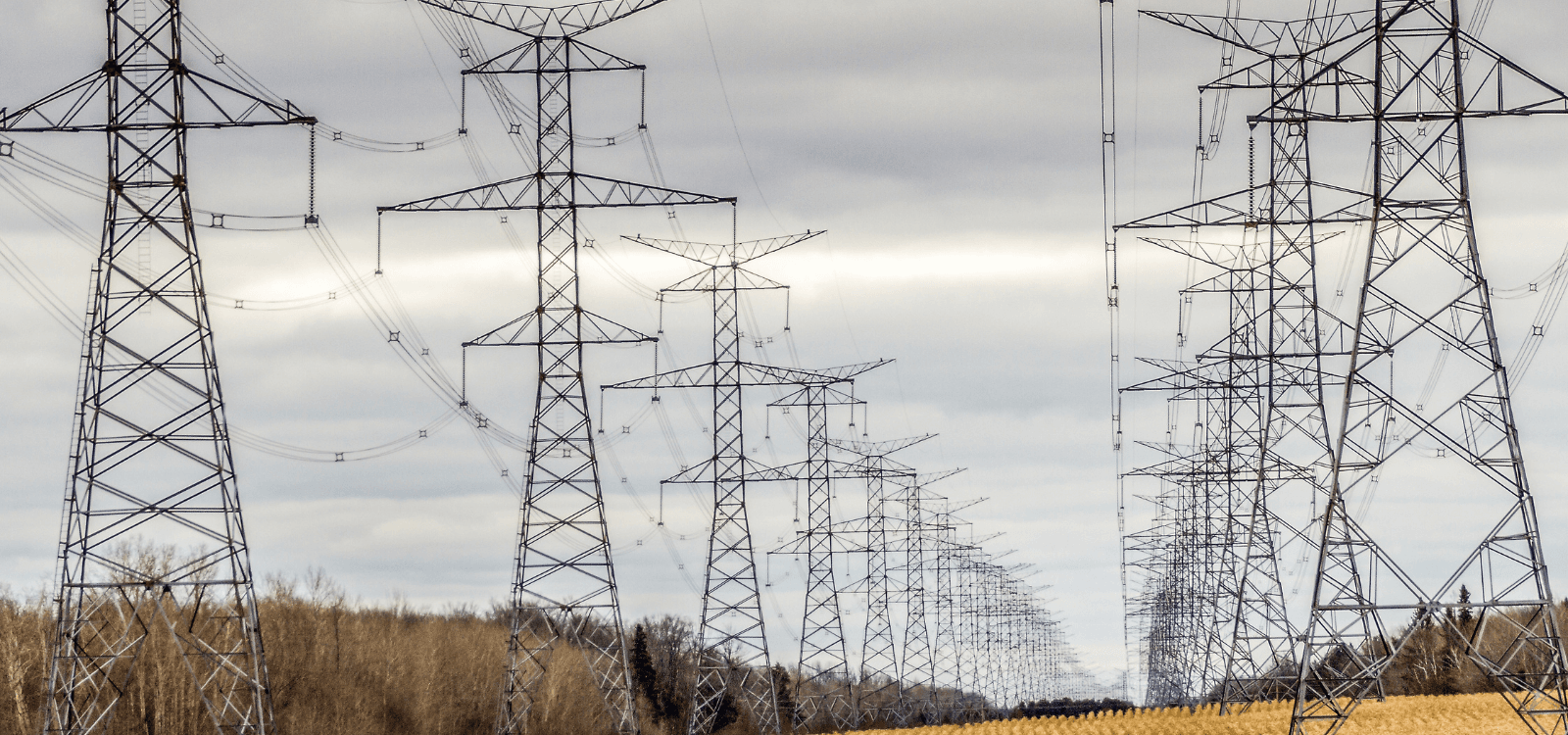
PJM approved a new 220-mile, 765-kV transmission line to strengthen grid reliability and support rising electricity demand across the Mid-Atlantic. The project reflects a broader shift toward large-scale transmission buildouts to handle data center growth and new generation.
PJM Approves Another Major Transmission Line as Demand Outpaces the Grid
PJM Interconnection has approved another large transmission project, reinforcing a trend that is becoming harder to ignore. Electricity demand across the Mid-Atlantic is rising faster than the grid was originally designed to handle.
The PJM Board of Directors approved a proposed 220-mile, 765-kV transmission line developed by NextEra Energy Transmission and Exelon. The line would run through parts of West Virginia and Pennsylvania, strengthening the regional grid and creating additional capacity for new generation.
This decision builds on the same pattern we highlighted earlier: PJM is shifting toward large backbone transmission projects rather than relying on smaller, incremental upgrades.
A Shift Toward High-Voltage Backbone Infrastructure
PJM has concluded that meeting future demand will require major transmission expansion, particularly high-voltage lines capable of moving large amounts of electricity across long distances. A 765-kV line sits at the top end of the U.S. transmission system and can carry several gigawatts of power.
Projects at this scale can move roughly 7 GW of electricity, making them critical for balancing supply during peak demand and supporting regional grid stability.
What This Project Is Designed to Do
The new transmission line serves three primary functions. It is intended to improve reliability by strengthening connections across the region, allowing power to flow more efficiently during periods of high demand. It also adds capacity for new generation, which is currently constrained by interconnection bottlenecks. Many power plants and renewable projects are waiting in queues, and transmission expansion is required to bring them online.
In addition, the project supports economic growth. Developers expect the line to help provide reliable electricity for households and small businesses while making the region more attractive for industrial development. Construction is also expected to generate jobs during the build phase.
Approval Is Only the First Step
While approval is a significant milestone, it does not guarantee near-term completion. Large transmission projects face long timelines tied to routing decisions, right-of-way acquisition, permitting processes, and coordination with local communities.
The Bigger Pattern
What is happening in PJM reflects a broader structural shift. Rising demand from data centers, manufacturing, and electrification is pushing the grid to expand faster than in previous decades. Large-scale transmission projects are becoming central to that response.
These backbone lines can unlock meaningful capacity across regions. But the pace of impact will depend on how quickly projects can move from approval to construction and ultimately into operation.
Ready to Discuss Your Project?
Get your instant estimate or talk to our team about your legacy solar project.


