

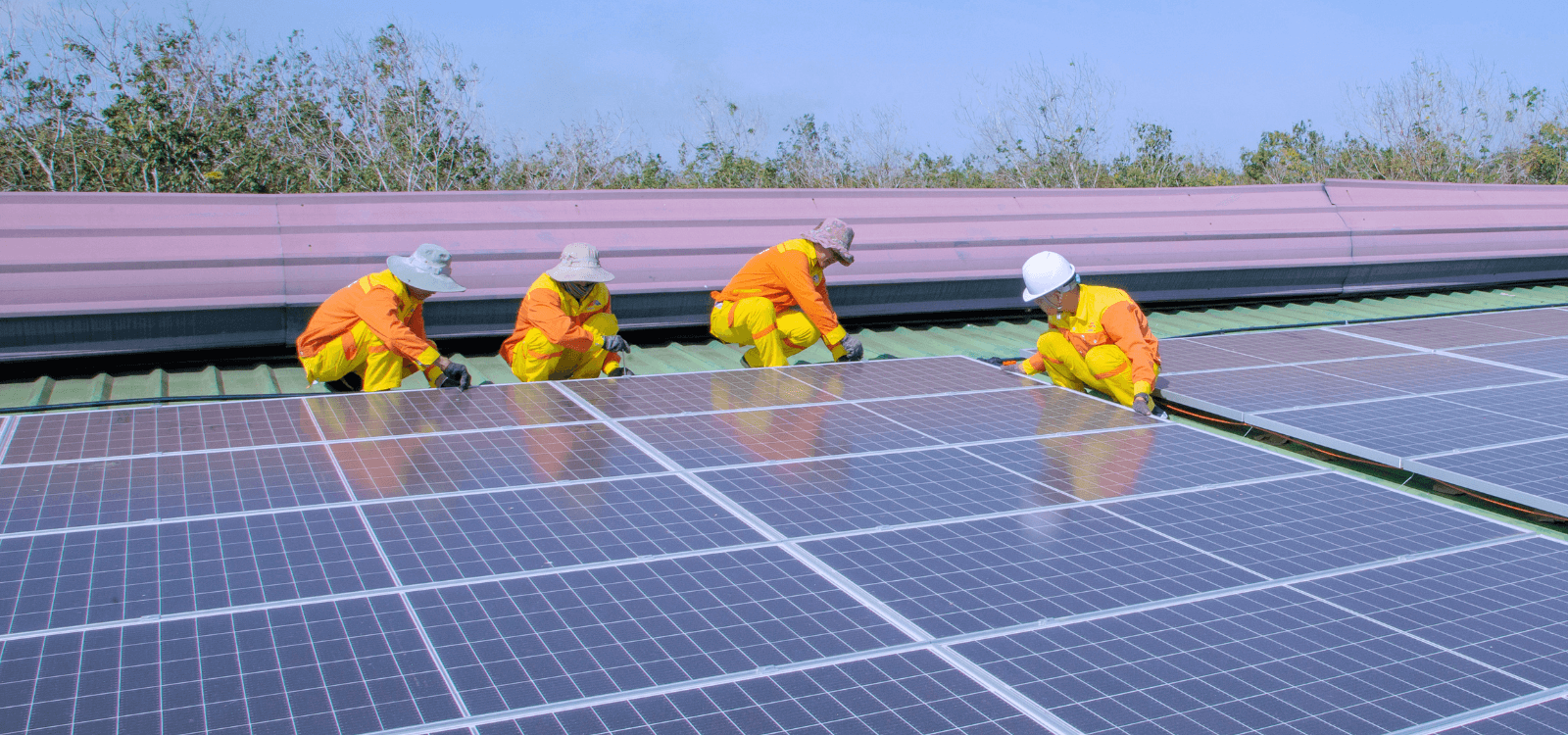
Puerto Rico’s families have built one of the most resilient energy networks in the U.S. After years of blackouts, residents turned to rooftop solar and batteries—now totaling over 1.3 GW of capacity and 185,000 systems. With 81,000 batteries linked into a virtual power plant, Puerto Rico’s grid is being rebuilt from the bottom up by its own people.
Puerto Rico Built Its Own Backup Plan. The Results Are Clear.
Puerto Rico just showed what happens when a grid keeps failing.
People stop waiting.
They build their own backup plan.
In our previous post, we covered how rooftop solar and batteries were linked into a virtual power plant supporting the island’s grid during peak demand. If you missed that breakdown, you can read it here.
What we’re seeing now is the bigger picture behind that story.
From Blackouts to Energy Independence
After years of outages, including the extended blackouts following Hurricane Maria, families made a shift.
They installed rooftop solar.
They added home batteries.
Not as a trend.
As a lifeline.
Puerto Rico now has:
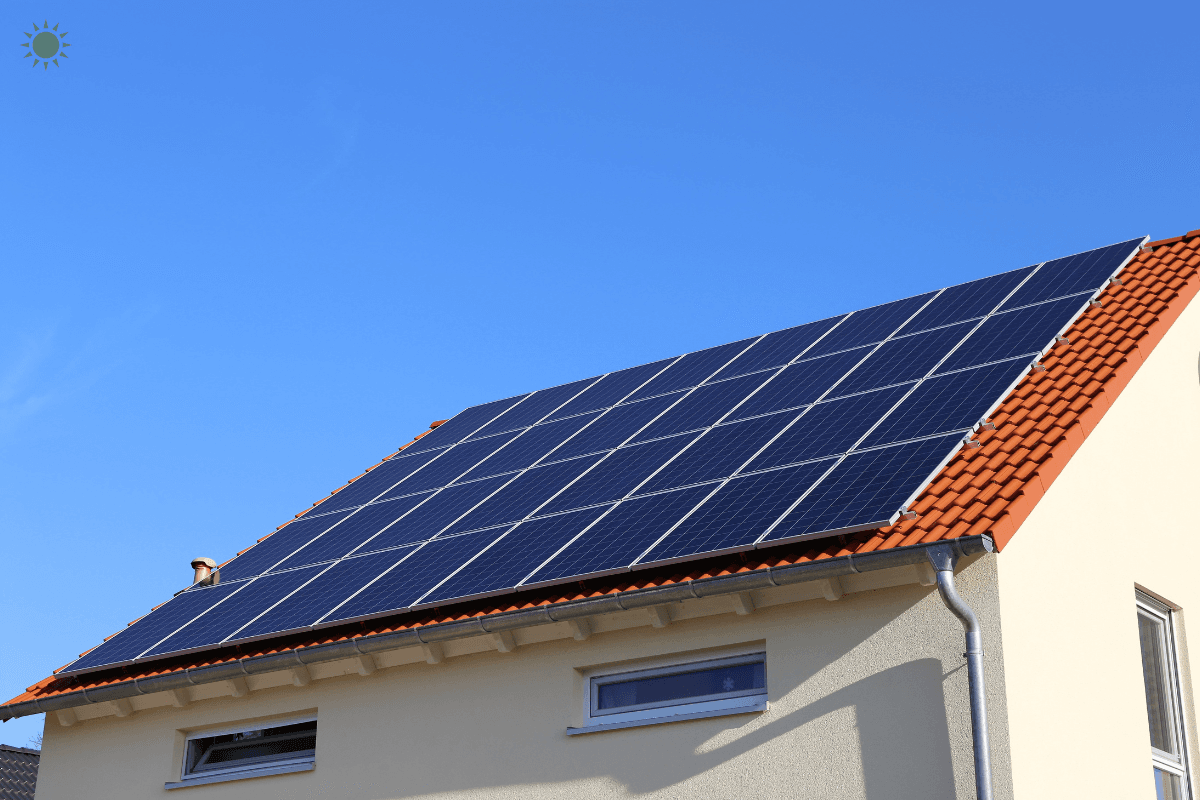
- ●Over 1.3 gigawatts of residential solar
- ●Around 185,000 home batteries
- ●Nearly 90 megawatts added in a single quarter
And nearly every new system includes storage.
People want electricity that stays on when the grid shuts off.
How Solar Became Accessible
Most families could not pay up front for a full solar system.
So financing models stepped in.
Companies like Sunnova Energy and Sunrun offered monthly payment plans instead of large down payments.
That structure opened the market to low- and middle-income households.
Solar adoption scaled because it became financially reachable.
This matters because distributed energy growth wasn’t driven by luxury spending.
It was driven by necessity.
The Virtual Power Plant Effect
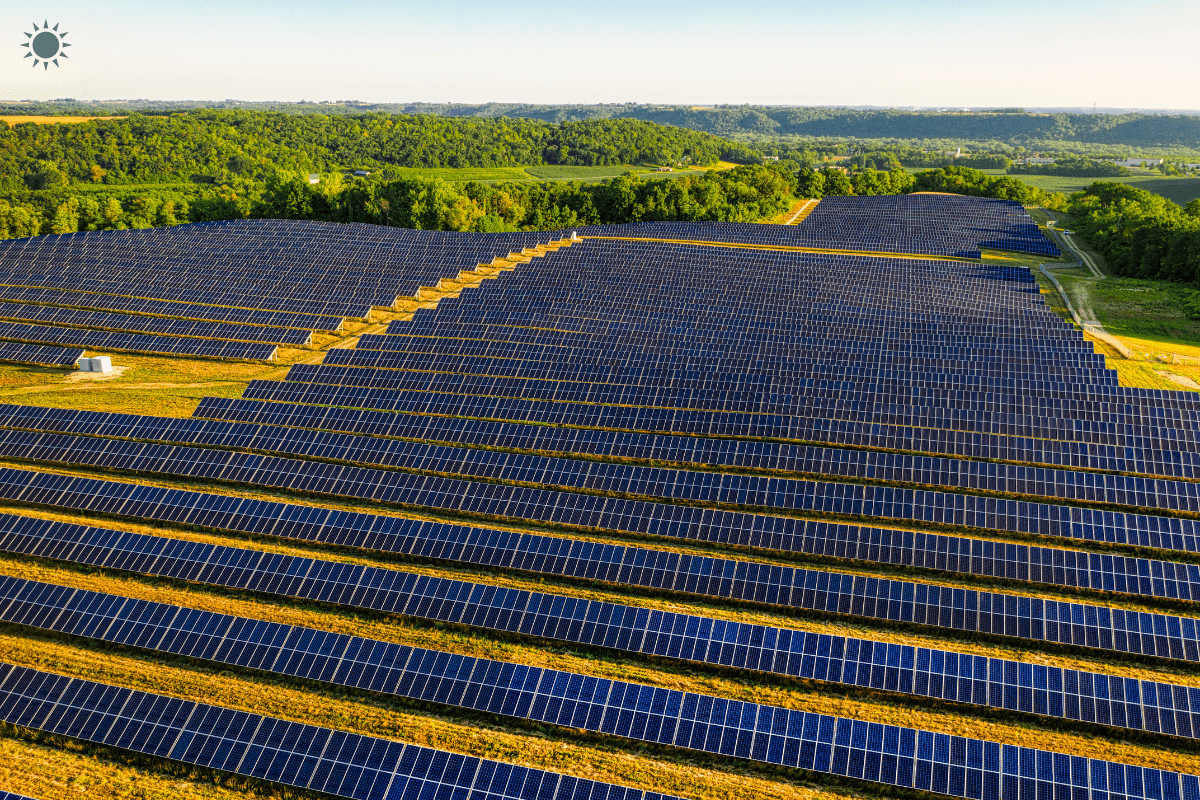
About 81,000 home batteries are now linked together in a coordinated virtual power plant.
That network:
- ●Supplies power during peak demand
- ●Reduces grid strain
- ●Lowers the likelihood of outages
- ●Creates dispatchable capacity from rooftops
It is one of the strongest community-based energy networks in the United States.
This isn’t pilot-stage experimentation.
It’s operational infrastructure.
If you’re evaluating how distributed assets support long-term grid reliability, we explain how we assess aging and distributed systems in our overview of how we evaluate legacy solar projects.
Utility-Scale Is Catching Up
Utility-scale projects are finally moving forward.
After years of delays that pushed developers out of the market, hundreds of megawatts of solar and storage are now:
- ●Under construction
- ●Securing financing
- ●Supported by state actions
- ●Backed by FEMA-funded storage at existing plants
But large-scale growth still trails far behind what households already built.
That’s the striking part.
Bottom-up adoption moved faster than centralized development.
What Puerto Rico Actually Proved
Puerto Rico shows what happens when:
- ●The grid fails repeatedly
- ●Technology keeps improving
- ●Financing lowers barriers
- ●Households have no reliable alternative
People choose systems that do not depend on institutions that have failed them.
In this case, rooftop solar and batteries.
Over time, those individual systems become something larger.
A distributed resilience network.
One that can stay online through:
- ●Storms
- ●Heatwaves
- ●Long-duration outages
This Is Not Just Puerto Rico’s Story
Extreme weather is increasing.
Grid reliability challenges are spreading.
Policy risk and infrastructure strain are no longer isolated problems.
Puerto Rico may simply be ahead of the curve.
What we’re seeing is a preview:
Households leading.
Utilities adjusting.
The grid is strengthened from the bottom up.
The question now is simple.
Are other regions paying attention?
Operating or owning aging solar assets in an evolving grid environment?
We specialize in acquiring and managing legacy solar projects with long-term resilience in mind.
If you’re assessing performance, risk, or ownership strategy:
See what your project is worth in 30 seconds.
Get your instant estimate
Or if your situation requires a direct conversation:
Talk to our team about your project.
Contact us
Ready to Discuss Your Project?
Get your instant estimate or talk to our team about your legacy solar project.


