

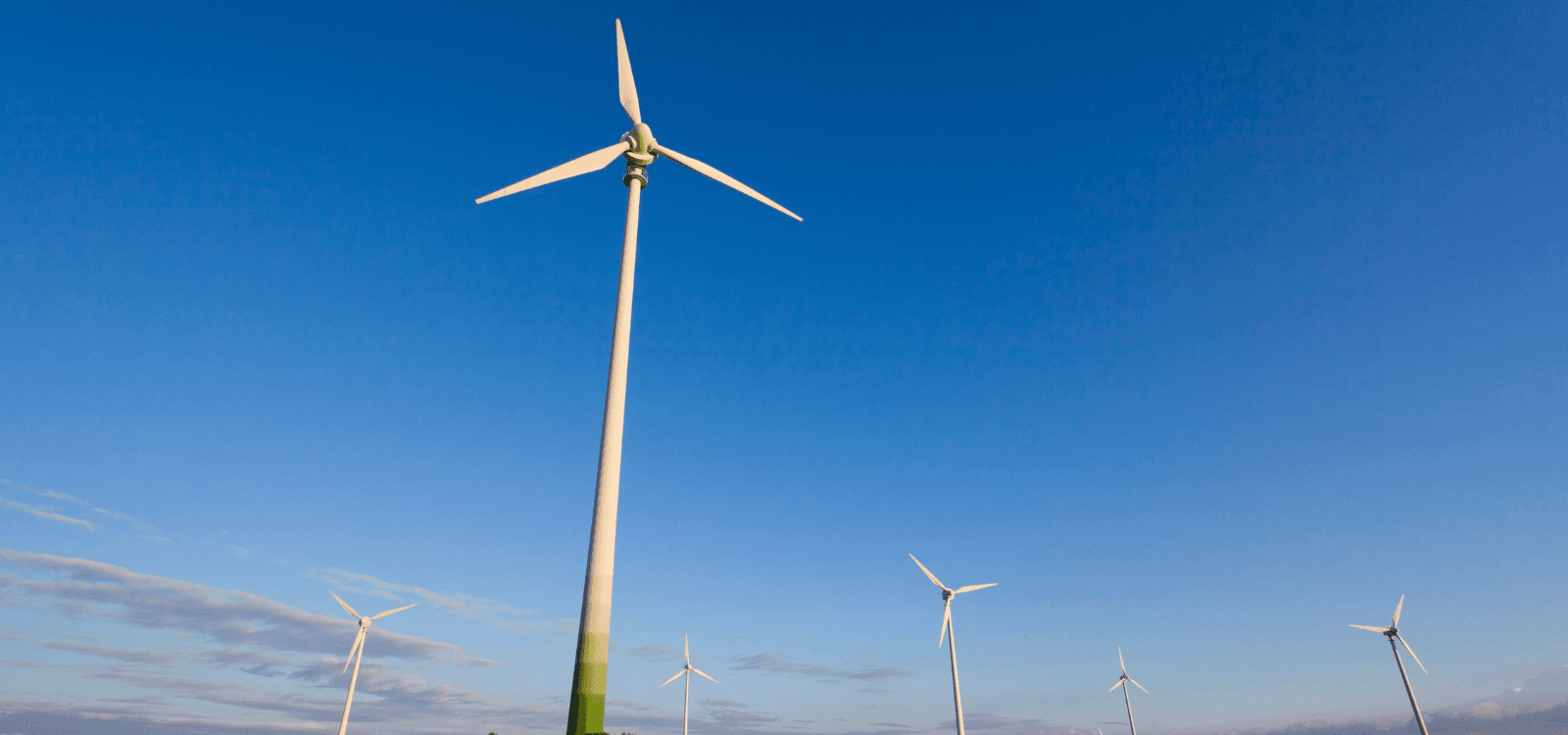
Germany's Elster wind farm swapped 50 old turbines for 16 new ones and now makes six times the power on less land. What it means for aging U.S. solar.
At the Elster wind farm in Saxony-Anhalt, Germany, 16 modern turbines have replaced 50 aging ones. The site now produces more than six times as much electricity while using about a third less land.
It's one of Europe's standout repowering projects, and it shows what happens when an old renewable site gets a second life with modern equipment.
Here is what changed at Elster, why repowering works, and what it means for aging solar arrays across the Northeast U.S.
What Happened at the Elster Wind Farm?
Operator VSB Group replaced 50 older turbines at the Elster wind farm with 16 new Siemens Gamesa turbines, raising capacity from 30 MW to 105.6 MW and expected annual generation from 36 GWh to 235 GWh, according to energate messenger.
The key numbers:
- ●Turbines. 16 new units replace 50 old ones.
- ●Capacity. From 30 MW to 105.6 MW.
- ●Annual generation. From 36 GWh to an expected 235 GWh.
- ●Land use. About a third less space.
- ●Hub height. 165 meters, up from 77.8 meters.
- ●Blade length. 77.5 meters.
VSB had to build a new transformer station for the new turbines. It planned to start building two more turbines in autumn 2025.
How Can Fewer Turbines Produce Six Times More Power?
Modern turbines are much taller with much longer blades, so each one captures far more wind than the older machines it replaces.
Wind speeds increase with height, and a larger rotor sweeps a much bigger area. At Elster, the new towers are more than twice as tall as the old ones.
That's the core logic of repowering. Technology has improved so much that replacing old equipment on an existing site can multiply output without claiming new land or starting a new permitting fight.
Repowering multiplies output without multiplying land use.
What Happened to the Old Turbines?
The old Elster turbines weren't simply scrapped. They were reused as sources of spare parts or redeployed at new locations, including to supply power at a gold mine in Australia, according to energate messenger.
That matters for the full environmental picture. Decommissioned renewable equipment often ends up as waste, and much of it was never designed with disposal in mind.
Finding second uses for older equipment extends its value and cuts waste, alongside the gains from the new equipment.
Is Repowering Growing Across Europe?
Yes. Europe has a large fleet of aging wind farms, and repowering is becoming a central strategy for keeping them productive.
About 86 GW of European wind capacity will be over 20 years old by 2030. In Spain, the Montes de Cierzo wind farm is being repowered from 85 turbines to 14.
Solar is following the same path. In France, a storm-destroyed solar plant was rebuilt with double its original capacity on the same land.
Why Does This Matter for Solar in the Northeast?
Many commercial and community solar arrays in New York, Massachusetts, and New Jersey are now 10 to 15 years old, with degraded panels and outdated inverters, and could produce far more with modern equipment.
The Northeast was an early solar market. Systems built on rooftops, landfills, and open land in the 2010s are now reaching the age when inverters fail and output drops.
Nationally, a large share of U.S. solar is approaching that point, as we covered in why aging U.S. solar needs a plan.
How Is Solar Repowering Different From Wind Repowering?
Solar repowering usually focuses on replacing inverters and degraded modules while keeping the existing racking, wiring, and grid connection, rather than rebuilding the site from scratch.
Solar and wind repowering share the same goal: more output from the same site. But the approach differs:
- ●Wind. Often replaces entire turbines with taller, larger models.
- ●Solar. Often replaces inverters first, then modules where degradation is significant.
- ●Both. Reuse land, permits, and grid connections to avoid starting over.
Modern solar panels produce more power per square foot than panels from a decade ago. That means repowered sites can often generate more without expanding their footprint.
What Does a Solar Repowering Project Involve?
A solar repowering project typically starts with an assessment of the system's condition and ends with upgraded equipment producing more power from the same site.
The usual steps:
- ●Assessment. Review production history, equipment age, and physical condition.
- ●Design. Decide which components to replace and whether the array layout should change.
- ●Permitting and interconnection. Confirm what approvals the upgrade needs, often far simpler than for a new project.
- ●Installation. Replace inverters, modules, and wiring as needed, reusing sound racking and infrastructure.
- ●Monitoring. Restore reliable production data so performance can be tracked going forward.
What Does Do Good Energy Do?
At Do Good Energy, we acquire aging commercial solar projects, repower them with modern equipment, and operate them so they keep delivering clean power to local communities for years to come.
For owners, that can mean relief from a system that has become a burden. For communities, it means clean energy that keeps flowing. For more on the process, see what solar repowering involves.
Start With a Ballpark Estimate
If you own an aging solar system that's producing less than it used to, it may be ready for a second life. Find out what your existing solar project may be worth before deciding whether to repair, repower, or sell.
Source: energate messenger, "Six times more power through repowering"
Ready to Discuss Your Project?
Get your instant estimate or talk to our team about your legacy solar project.


