

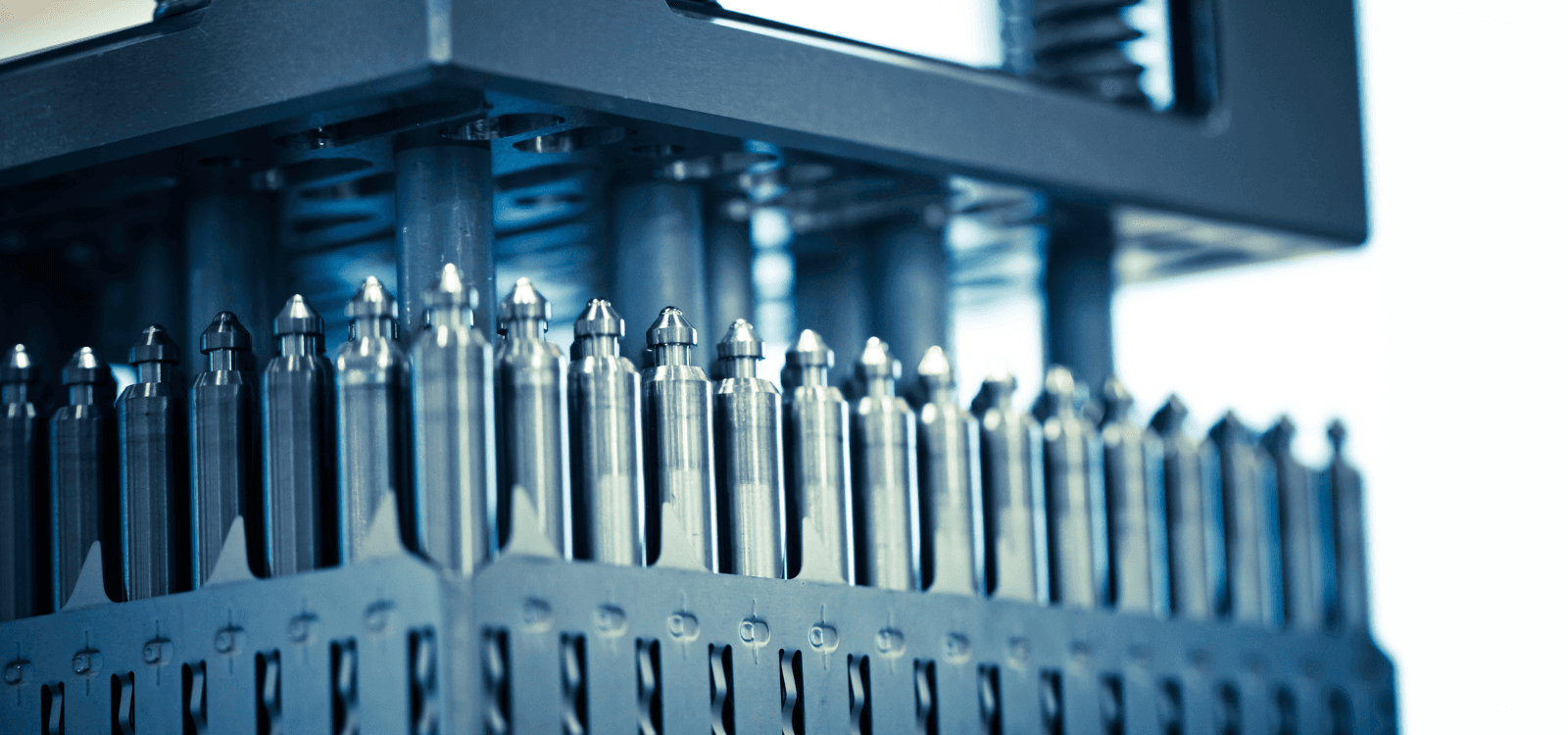
Small modular reactors were pitched as fast, affordable clean power, but delays, rising costs, waste concerns, and long timelines are raising doubts. With no commercial SMRs operating in the U.S. and meaningful scale unlikely before the 2030s or later, the question is whether betting on future nuclear is slowing investment in solutions that can strengthen the grid today.
Mini nuclear reactors are supposed to be a big part of the energy future. Lately, I’m not so sure.
Small modular nuclear reactors (SMRs) were pitched as a faster and cheaper way to bring clean power online. The idea was simple. Smaller nuclear reactors, built in factories and deployed quickly, would provide uninterrupted power for data centers and a grid under pressure from AI growth.
There are still no SMRs operating commercially in the United States. Several well-known developers, including NuScale Power, Oklo Inc, and Nano Nuclear Energy Inc., have seen their stock prices fall sharply over the past year. Projects have been delayed or scaled back, and costs are moving up, not down.
One underappreciated issue with SMRs is nuclear waste. A 2022 Stanford-led review found that many SMR designs could produce 2 to 30 times more waste per unit of electricity than conventional reactors, depending on design. More waste compounds storage and disposal challenges, and amplifies public opposition. Many communities remain unwilling to host nuclear facilities, accept waste transport, or permit long-term storage nearby.
It is easy to see why SMRs still attract attention. They promise reliable baseload power, modular deployment, and a regulatory framework policymakers understand. The issue isn’t the concept, but the timing. Most designs are still years from commercial deployment, with even optimistic timelines pushing impact into the 2030s. Capital and policy attention are limited. Every dollar and policy priority committed to future technologies is one not directed toward solutions, like solar, wind, and battery storage, that are scaling today.
The International Energy Agency (IEA) says SMRs could reach meaningful scale by 2050 under very favorable conditions. Utilities like the Tennessee Valley Authority are exploring multiple designs at once, reflecting both interest and uncertainty.
Meanwhile, electricity demand from AI and data centers is rising now. The grid response today looks far less futuristic: keeping older power plants running longer, building transmission, adding batteries, and repowering existing assets.
What is actually scaling today is wind, solar, storage, and upgrades to the grid we already have. These are adding capacity faster and reducing exposure to fuel price swings without waiting on unproven nuclear designs.
SMRs may find a role eventually, but treating them as a near-term answer for AI growth or climate goals has real consequences. With meaningful scale unlikely before 2050, the gap between hype and reality leaves energy needs unmet today. As attention shifts toward reactors still decades away, proven alternatives that could expand capacity now face slower deployment. That gap is already showing up in rising electricity prices and grid strain.
If you had one dollar to spend on grid reliability today, would you put it into SMRs that might arrive in the 2030s, or into repowering, storage, and grid upgrades this decade?
https://www.ft.com/content/567a1cbc-5030-4e7f-854f-b7eb9ca6b762
Ready to Discuss Your Project?
Get your instant estimate or talk to our team about your legacy solar project.


