

Spain doubled wind and solar and cut gas's role in setting power prices from 75% of hours to 19%. How it decoupled prices and what the U.S. can learn.
Spain just pulled off what most countries are still trying to figure out — keeping electricity prices low without cheap gas.
A few years ago, Spain’s power prices rose and fell with fossil fuels. When gas prices spiked, electricity followed. But by mid-2025, that link had snapped. Thanks to record growth in solar and wind, Spain now has some of the cheapest electricity in Europe — 32% below the EU average wholesale price.
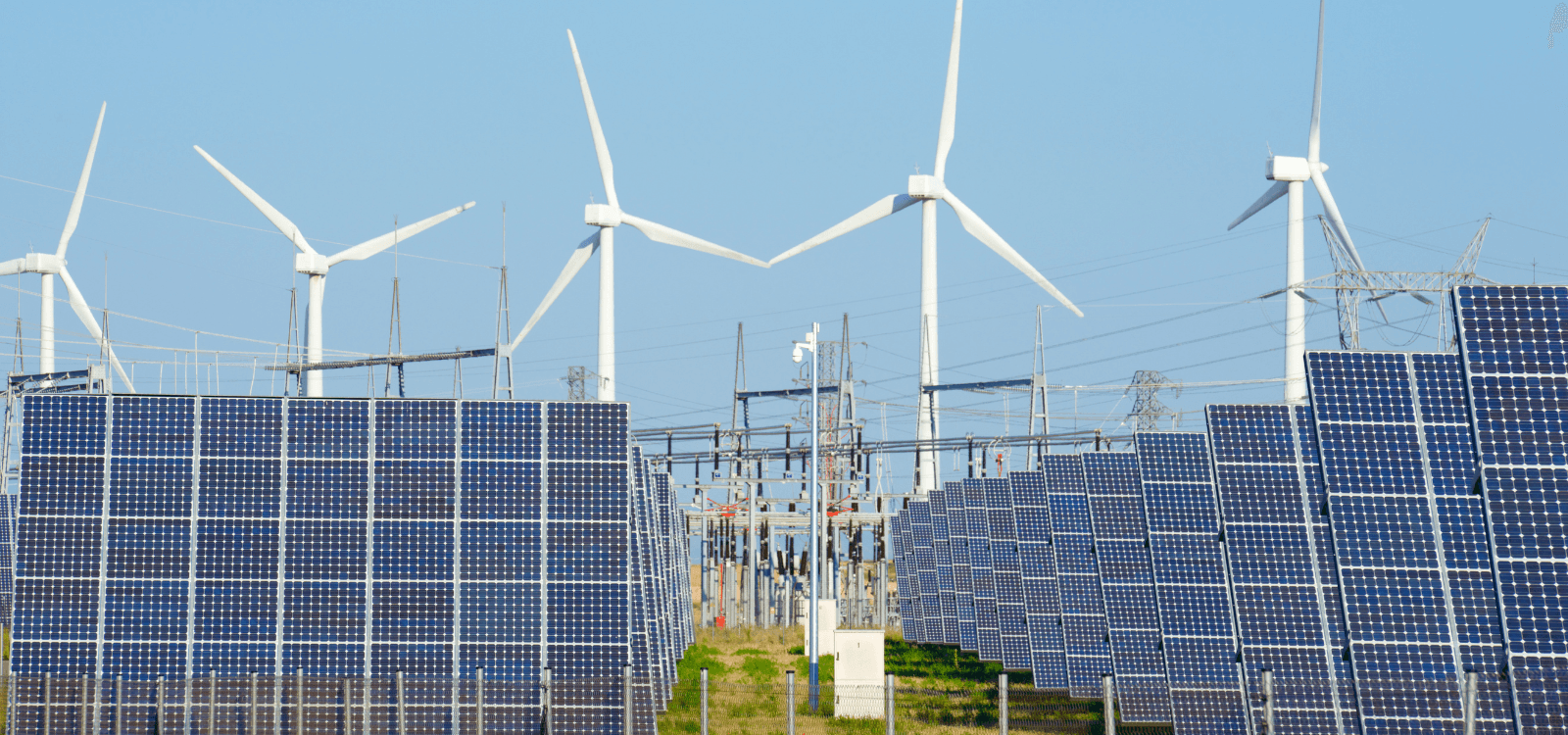
How’d they do it? In six years, Spain doubled its wind and solar capacity, adding more than 40 GW, second only to Germany. Renewables now supply nearly half of all their electricity, while fossil fuels are down to about 20% of generation.
That shift changed how Spain’s electricity market works. Back in 2019, gas plants set power prices three out of every four hours. This year, it’s fewer than one in five. Renewables now call the shots — and when clean energy sets the price, everyone pays less.
Remember their blackout in April? It showed where Spain still struggles. Parts of the grid couldn’t handle rapid swings in renewable output, so operators leaned on gas plants to stabilize the system. That pushed costs up and forced some solar and wind offline. Between May and July, Spain had to curtail about 7.2% of renewable generation, up from just 1.8% the year before.
It’s a reminder that clean energy only goes as far as the grid can carry it. For years, Spain invested heavily in renewables but lagged behind on the infrastructure needed to move that clean power efficiently. For every euro it invests in solar and wind, it spends only 30 cents upgrading transmission, while the European average is about 70 cents. That imbalance slowed flexibility and raised costs — but new reforms are changing that, with stronger investment now flowing into transmission and grid modernization.
The Spanish government is now adding eight new synchronous compensators (equipment that stabilizes voltage without burning gas), 2.6 gigawatts of battery storage, and new cross-border interconnections to move power easily across regions. Together, these upgrades will reduce Spain’s reliance on gas for stability and keep more renewable energy online when supply peaks.
Spain’s story shows what happens when policy, technology, and persistence align. They’ve broken the fossil link and proven renewables can anchor affordable power, not someday, but now.
So, can the U.S. replicate Spain’s success?
Right now, the One Big Beautiful Bill is pushing us backward, rolling back clean energy incentives and boosting oil and gas leasing.
Without reversing this trend, expanding renewables fast enough to decouple prices is nearly impossible.
If we want cheaper, stable power, the U.S. must prioritize clean energy, modernize the grid, and reform markets.
Spain’s success is a roadmap that’s within reach. The question is whether we have the political will to follow it.
What’s your take? Can the U.S. pivot soon enough to make decoupling a reality?
Ready to Discuss Your Project?
Get your instant estimate or talk to our team about your legacy solar project.


