

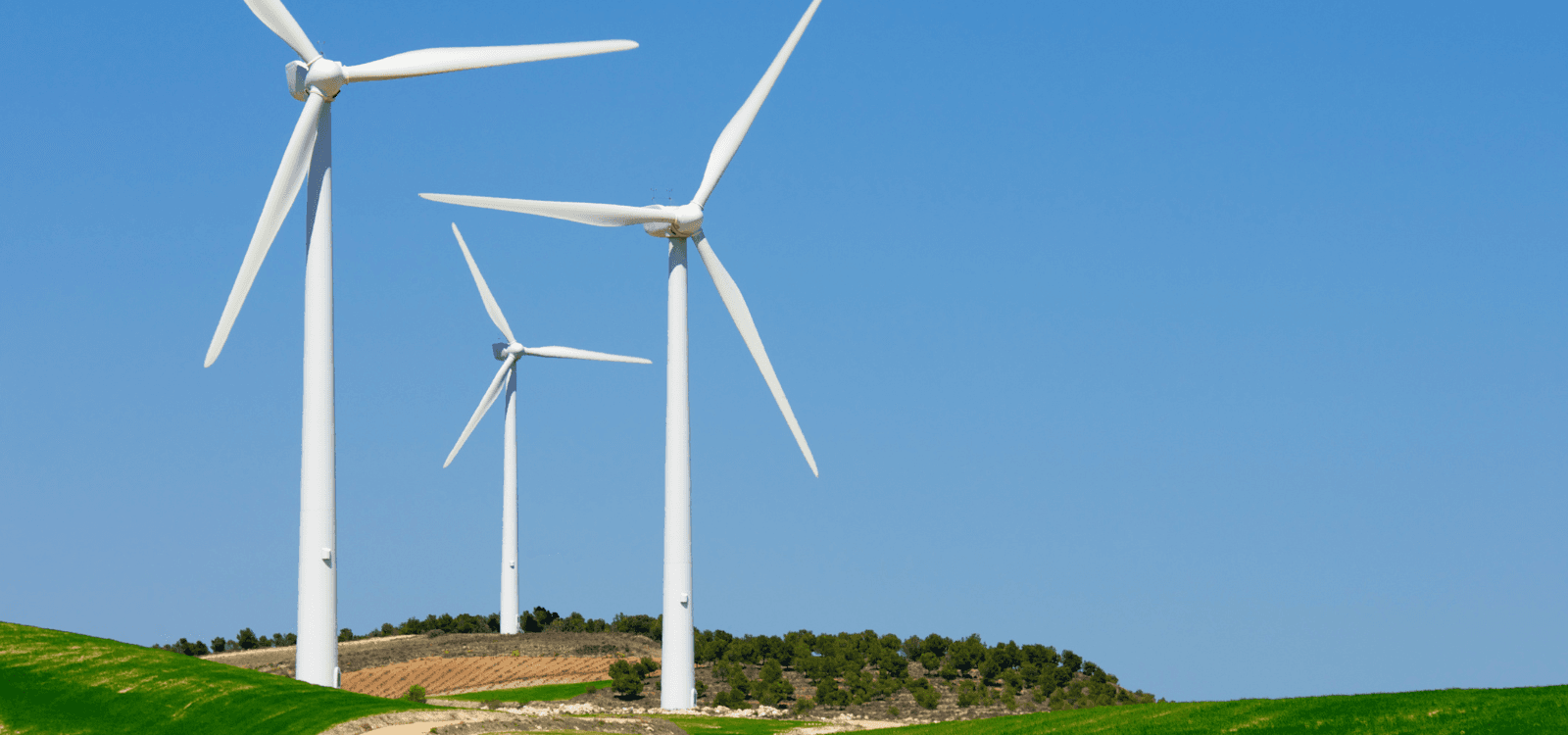
Spain’s Montes de Cierzo wind farm is being repowered from 85 turbines to just 14 modern machines, increasing capacity by 50% and doubling annual output. The project shows how repowering proven sites can unlock more energy, storage, and long-term value without building from scratch.
Spain’s Montes de Cierzo Wind Farm Is Being Rebuilt for a New Energy Era
Norwegian energy company Statkraft has entered the final phase of repowering its Montes de Cierzo wind farm in Navarra, Spain. Originally commissioned in 2000, the site has operated for 25 years under an earlier generation of wind technology. Now it is being rebuilt to reflect a very different energy landscape, one defined by higher efficiency, hybridization with storage, and tighter grid integration.
This is not simply a refurbishment. It is a structural redesign of an existing asset to extract significantly more value from the same location.
From 85 Turbines to 14
Original Configuration (2000)
The wind farm originally consisted of 85 turbines with 61 MW of installed capacity, producing approximately 144.8 GWh annually. At the time, this represented meaningful renewable capacity and helped establish the site as a productive wind resource.
Post-Repowering Target (2026)
Once the repowering is complete, the site will operate with just 14 next-generation turbines. Installed capacity will rise to 90 MW, and annual production is expected to approach 300 GWh.
The comparison is stark. Far fewer machines. Substantially more output. The same physical footprint.
What Actually Changed
Repowering is unfolding in phases. In the first stage, Statkraft replaced 44 older turbines with 10 modern machines. In the final stage, the remaining 41 turbines will be dismantled and replaced with four additional high-capacity units. Alongside the turbine upgrades, the project includes a 14.26 MW / 28.51 MWh battery storage system.
Hybridization with Storage
The addition of battery storage positions Montes de Cierzo as one of the first repowered wind farms in Spain to be hybridized. This enables better output smoothing, improved grid responsiveness, and enhanced participation in ancillary markets.
Efficiency Reset
The outcome is not incremental improvement but structural efficiency gains:
- ●84% fewer turbines
- ●50% more installed capacity
- ●Roughly double the annual production
- ●Existing grid connection retained
- ●Environmental and administrative permits already secured
Most importantly, the wind resource itself is proven. The site has decades of performance history. There is no speculation about wind quality or long-term viability.
The Core Advantage of Repowering
Repowering reduces one of the largest uncertainties in renewable development: resource risk. Developers are not guessing where the wind blows or whether interconnection will be available. They are modernizing infrastructure at a location with validated output, known grid characteristics, and established permitting pathways.
Infrastructure Already in Place
The interconnection point exists. The land use is established. The environmental footprint has already been assessed. This dramatically lowers development friction compared to greenfield projects.
Technology Evolution
Wind turbine technology has advanced significantly over the past two decades. Larger rotors, higher hub heights, and improved control systems allow modern machines to capture more energy with fewer units. When paired with storage, output becomes more flexible and commercially valuable.
Repowering is not rebuilding from scratch. It is extracting greater productivity from infrastructure that already works.
A Broader Inflection Point for Aging Renewable Assets
Montes de Cierzo is not an isolated case. Across Europe and the United States, wind farms built in the late 1990s and early 2000s are approaching similar decision points. The same dynamic applies to early generations of commercial solar projects.
Aging Equipment, Valuable Interconnections
While original turbines and panels age, the interconnections often remain highly valuable. Securing new grid access in today’s environment is increasingly difficult and time-consuming. Existing sites with established transmission access represent strategic assets.
The Strategic Decision
The question is not whether these sites can produce more with modern technology. In many cases, they clearly can. The decision centers on capital allocation and ownership strategy. Will current owners reinvest and restructure, or will they transition assets to operators focused on long-term optimization?
What This Means for Solar Owners
The logic behind wind repowering applies directly to commercial solar. Mature solar assets often sit on strong interconnection points, proven production sites, and established permitting frameworks. Their performance may no longer match original projections, but the underlying infrastructure retains value.
Repositioning Instead of Retiring
Aging assets do not automatically require decommissioning. With updated equipment, improved operational management, or new ownership structures, they can continue generating reliable returns. In many cases, the constraint is not technical viability but capital strategy and operational focus.
Repowering is not about sentiment or preserving legacy infrastructure for its own sake. It is about capital efficiency and disciplined resource allocation. When a site has proven output and secured grid access, modernizing it can deliver materially higher performance with lower development risk than starting from scratch.
Montes de Cierzo illustrates that shift clearly. The future of renewable deployment will not rely solely on new sites. It will increasingly depend on how effectively we upgrade and reposition what has already been built.
Ready to Discuss Your Project?
Get your instant estimate or talk to our team about your legacy solar project.


