

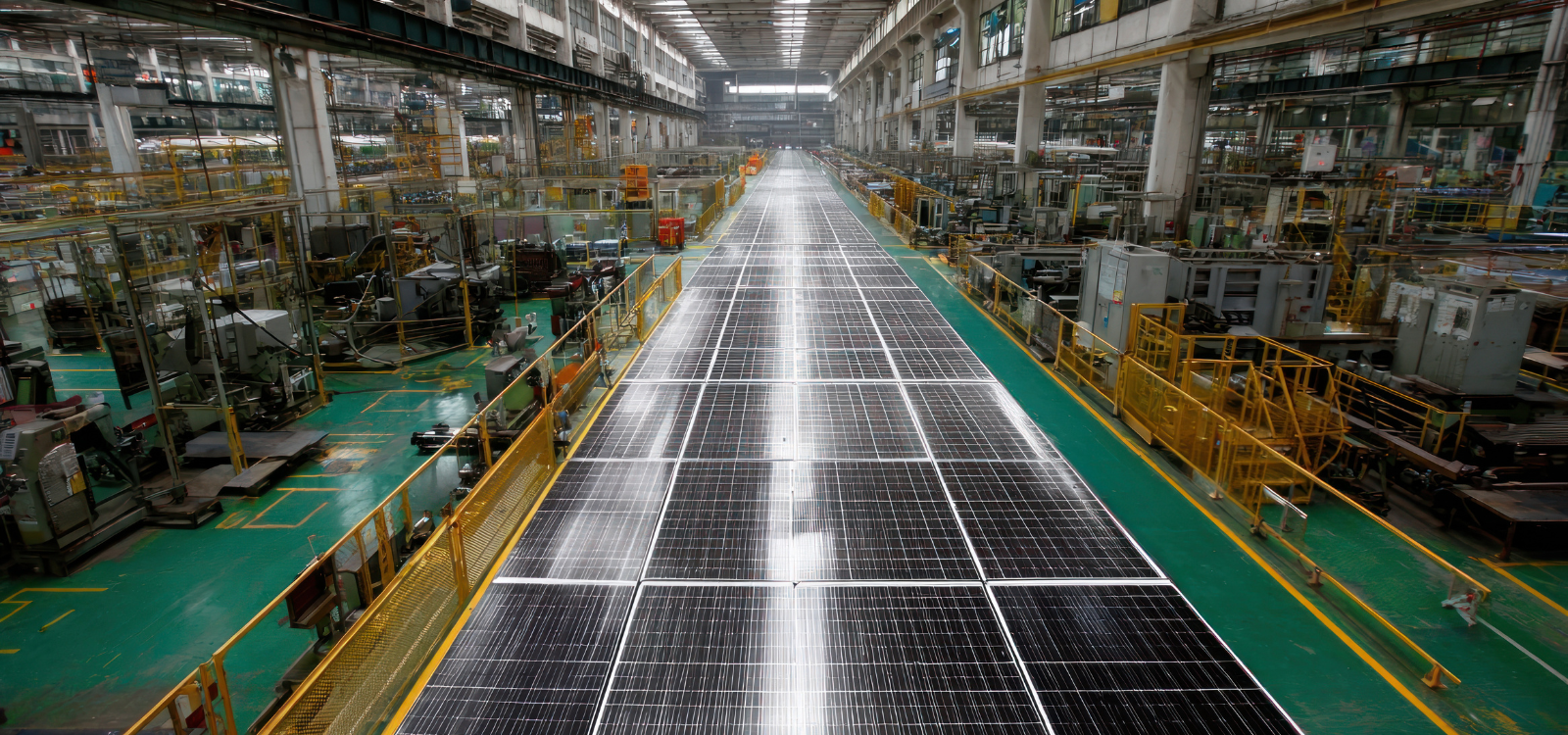
With Corning’s new wafer plant in Michigan, the U.S. can now produce every part of a solar panel domestically, from silicon to finished modules. It marks the first fully onshored solar supply chain in American history, boosting energy security, jobs, and manufacturing independence. The next challenge is keeping this momentum stable.
Good News Thursday!
America Just Completed Its Solar Supply Chain
For the first time, every major piece of a solar panel, from raw silicon to a finished module, can now be made in the United States.
With Corning’s new ingot and wafer factory now operating in Michigan, America has officially onshored the final step in solar manufacturing. It’s a milestone years in the making and proof that the U.S. can compete globally in advanced clean-energy production.
According to the Solar Energy Industries Association (SEIA), U.S. solar manufacturing capacity has expanded rapidly since late 2024:
- ●60 gigawatts of module capacity, up 37 percent since December
- ●3.2 gigawatts of solar-cell capacity, tripled from 1 GW last year
- ●28 gigawatts of inverter capacity, nearly 50 percent higher
- ●95 gigawatt-hours of battery-cell output, a major increase in storage strength
- ●23 new U.S. factories producing mounting systems added in less than a year
Corning Incorporated expects to produce more than one million wafers per day, with 80 percent of capacity already contracted for the next five years. The U.S. is no longer just assembling panels; it is building a fully integrated solar industry from the ground up.
Why does this matter? Solar is no longer just about panels. A true clean-energy economy depends on the full ecosystem that supports it—storage, grid integration, and domestic supply chains that keep production stable and affordable.
A U.S.-based supply chain means shorter shipping distances, lower emissions from transport, and fewer global bottlenecks. It also anchors thousands of high-quality manufacturing jobs across the country, strengthening both local economies and national energy security.
SEIA cautions that this momentum is fragile. New tariffs, shifting tax incentives, and regulatory uncertainty could slow expansion and risk another cycle of boom and bust.
Keeping these factories active is not only an economic priority but a climate one. A stable policy environment will allow the U.S. to maintain its lead in clean-tech manufacturing. Instability could once again drive production overseas.
The U.S. has finally built the full solar supply chain at home. The challenge now is to protect it.
If America wants to lead the global energy transition, it begins with stability: consistent policy, long-term investment, and a commitment to keeping clean energy made in America.
We’ve proven we can build it. The question is whether we can keep it.
Ready to Discuss Your Project?
Get your instant estimate or talk to our team about your legacy solar project.