

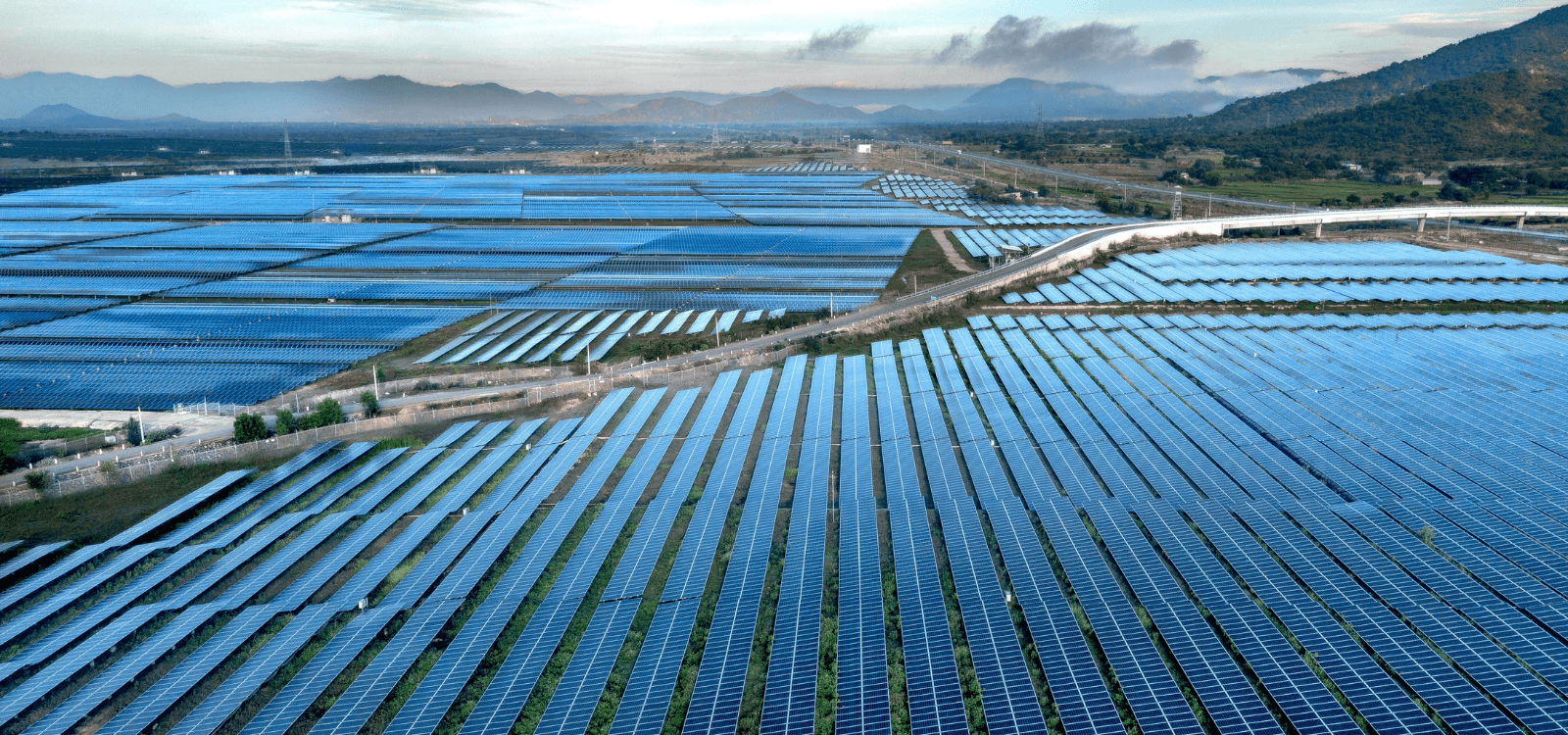
EIA projects U.S. electricity generation will keep rising through 2027, with utility-scale solar supplying the majority of incremental growth. Nearly 70 GW of new solar capacity is expected online in two years, signaling a structural shift in how new demand is met.
Utility-Scale Solar Is Leading U.S. Electricity Growth Through 2027
U.S. electricity demand is rising again, and utility-scale solar is expected to carry most of the near-term growth.
According to the U.S. Energy Information Administration’s January 2026 Short-Term Energy Outlook, total U.S. electricity generation reached about 4,260 billion kWh in 2025. Generation is projected to grow 1.1% in 2026 and 2.6% in 2027, reaching roughly 4,423 billion kWh by 2027.
The headline: utility-scale solar leads the expansion.
Solar Drives the Incremental Growth
EIA projects utility-scale solar generation will increase 17% in 2026 and another 23% in 2027. Based on reported development plans, nearly 70 gigawatts of new utility-scale solar capacity could come online over those two years.
In absolute terms, solar generation is expected to rise from about 290 billion kWh in 2025 to roughly 424 billion kWh by 2027. Over the same period, solar and wind combined are projected to increase their share of total U.S. generation from about 18% to 21%.
Natural gas remains a central part of the generation mix, but it is not expected to grow at the same pace. Utility-scale solar output is projected to increase to nearly 1.5 times its 2025 level by 2027.
Regional Acceleration
Regional forecasts reinforce the trend. In Texas, within ERCOT, utility-scale solar generation is expected to rise from 56 billion kWh in 2025 to about 106 billion kWh by 2027. In the Midwest under MISO, solar generation is projected to increase from 31 billion kWh to 46 billion kWh over the same period.
The growth is not isolated to one market. It is system-wide.
What Is Driving Demand
Demand growth is being fueled by data center expansion, electrification, and broader economic activity. More computing load means higher power consumption. Industrial expansion and electric vehicles add additional pressure.
For decades, natural gas typically absorbed most incremental demand growth. The current outlook signals a different near-term pattern: utility-scale solar is expected to supply the majority of new generation growth through 2027.
Constraints Still Matter
This shift does not eliminate structural challenges. Interconnection queues remain long in many regions. Transmission development continues to lag in certain markets. Higher solar penetration increases the need for storage and flexible resources to manage evening ramps and peak demand.
Solar may be leading capacity additions, but grid readiness depends on parallel investment in transmission, storage, and system flexibility.
The Direction Is Clear
Utility-scale solar is not just adding incremental share. It is becoming the primary source of meeting new electricity demand growth in the United States over the next two years.
The question now is operational, not theoretical: is the grid prepared for solar to lead the next phase of demand growth?
Ready to Discuss Your Project?
Get your instant estimate or talk to our team about your legacy solar project.


