

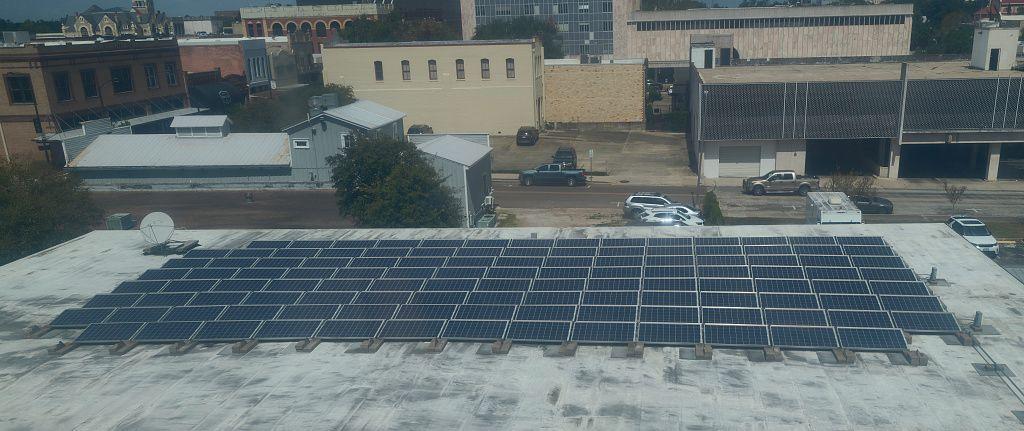
You bought a building or land with solar on it. Here's how to tell who owns the panels, what you may have taken on, and what to do next.
The solar on a property you bought belongs to one of three parties: you, if it was sold with the property; a solar company or investor, if it sits there under an agreement; or the seller, if they kept it. Figuring out which can become a legal nightmare if it isn't handled correctly, because the solar paperwork is often incomplete or missing. Your closing documents are the place to start, and county records, the utility and the incentive registries fill in the rest.
Here's how messy it gets. A large real estate investment trust bought a building with solar on the roof. The solar had been financed with a loan in the old building owner's name, and the sale never sorted that out. The old owner sold the building and, in their mind, is done. The new owner has panels on its roof that it wants nothing to do with, but it carries the risk if they leak, fail or damage the roof. Who owns the solar is now a jump ball. Read how that one was sorted out.
Most buyers find out the same way: after closing. You were buying a building, its tenants and its parking lot, and the panels were just there. Then something arrives: a rent check for the roof made out to the old owner, a letter from a lender you've never heard of, an invoice for the electricity the panels made, or a roofer asking who to call before the work starts.
The Solar Belongs to One of Three Owners
You, a solar company or investor, or the seller.
- ●You. If the seller owned the project outright and it was included in the sale, it's yours now, along with its income, its upkeep and its paperwork.
- ●A solar company or investor. Many commercial projects are owned by a third party and sit on the property under an agreement. With a PPA (power purchase agreement), the building buys the electricity the panels make. With an equipment lease, it pays a set monthly amount. With a site lease, the money flows the other way: the solar owner pays you rent and, in return, holds the right to keep the panels on your roof or land, and to reach them for repairs, for the length of the lease. Community solar projects almost always work this way, selling their power to subscribers elsewhere while paying rent to the property owner. These agreements usually carry over to whoever owns the property next, payments and rights included.
- ●The seller. Sometimes the seller keeps the project and the right to leave it in place, often through a lease signed as part of the sale.
Your Closing Documents Are the Place to Start
Start with the purchase agreement, the title report and any estoppel letters, and expect gaps.
Look for the solar in the list of what was sold, a separate bill of sale for equipment, any solar agreement assigned to you at closing, and recorded leases or easements in the title report. An estoppel letter is a short statement from the solar owner confirming the agreement is in force and what, if anything, is owed. If it's in your closing binder, it names the owner.
This is usually where it gets messy. Solar paperwork is often incomplete or missing entirely: an agreement that was never assigned to the new owner, a loan still in a former owner's name, a bill of sale nobody signed, or a project that changed hands several times without its file following it. If the documents say nothing, or seem to say two different things, talk to your attorney.
Public Records Fill In the Gaps
The county, the state, the utility and the incentive registries each hold a piece of the story.
- ●County land records. Solar site leases and easements are often recorded with the county, sometimes as a short "memorandum of lease" that names the solar owner.
- ●Secretary of State filings. Lenders file public notices when they lend against equipment, usually searchable by company name on your Secretary of State's website.
- ●The utility. The project was connected under an interconnection agreement, and its net metering credits post to a specific account. The name on that account tells you who the utility thinks owns the solar. Ask the utility what it has on file and what it needs to change it.
- ●Incentive registries. Solar certificates are tracked by project and by owner. In New Jersey, Pennsylvania, Maryland and DC, that's PJM GATS. In Massachusetts and the rest of New England, it's NEPOOL GIS. Whoever is registered there is collecting the project's certificate income.
- ●The equipment. Inverters carry a label with the maker and serial number, which you can photograph from a safe distance. The maker or the monitoring company can sometimes trace the account. Don't open or touch anything.
Our post on what to do when solar ownership is unclear goes further when the trail runs cold.
If the Solar Is Yours, You Can Keep It or Sell It
Most people who buy a building with solar on it wanted the building, not a solar project.
Do Good Energy buys aging commercial solar, working or not, and takes over the operations, maintenance, insurance and every agreement that comes with it. Missing paperwork is fine. We've seen projects that changed hands three to five times, and sorting out the ownership trail is part of what we do.
- ●A number in 23 seconds. Our instant solar estimate asks six quick questions, with no paperwork and no commitment.
- ●A letter of intent right away. If the number looks good, you can sign a letter of intent on the spot.
- ●You walk away clean. Here's how selling to us works, and how buyers work out what an old commercial solar project is worth.
If you'd rather keep it, move every account into your name, or the income keeps going to someone else:
- ●the utility's interconnection and net metering account
- ●the certificate registration (in PJM GATS, that takes a change of owner form and a bill of sale)
- ●insurance on the equipment
- ●warranties and the monitoring portal login
- ●any loan tied to the project. In New Jersey, for example, some older projects were financed through utility solar loans repaid in SRECs, and taking one over takes the lender's approval and an assumption agreement.
Check the registry for certificates that were never sold. We've seen accounts with certificates sitting unsold after the last owner stopped paying attention, and they may be worth real money.
If Someone Else Owns It, Their Agreement Comes With the Property
Read it, and make sure any rent now comes to you.
Note which way the money flows, who can get on the roof or land and when, what happens if the roof needs replacing, when the term ends, and whether you have an option to buy. If it's a site lease, send the solar owner proof of the sale so the rent comes to you and not the seller.
If nobody is paying or answering, our post on what to do when the solar company on your property went under walks through the next steps. And if the owner wants out, give them our name, or tell us about the solar on your property and we'll reach out to them.
Still Buying? Ask These Before Closing
The cheapest time to answer the question is before you sign.
Ask the seller for:
- ●every solar agreement, with all amendments
- ●an estoppel letter from the solar owner, if a third party owns it
- ●a bill of sale and the warranties, if the solar comes with the building
- ●two or three years of production data and utility bills
- ●the registry and monitoring logins
- ●any loan or lien tied to the equipment
Then have your attorney make sure the purchase agreement says plainly who owns the solar after closing.
Own an existing commercial solar system? The solar guide answers the ones every owner has, state by state.
Ready to Discuss Your Project?
Get your instant estimate or talk to our team about your legacy solar project.


