

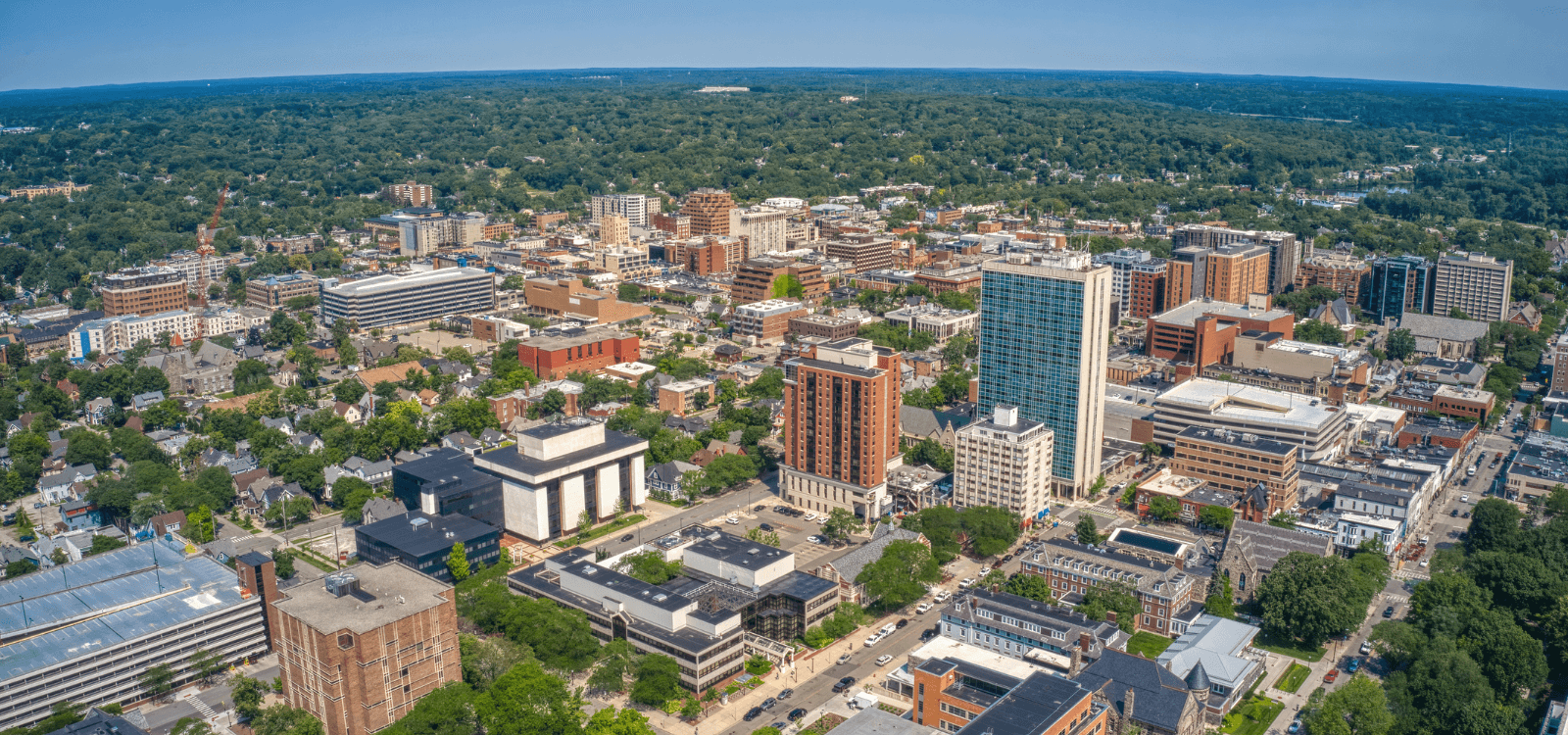
Ann Arbor is testing a city-owned solar and storage model that installs systems directly on homes. The pilot aims to lower energy costs and improve reliability while running alongside the traditional utility.
Ann Arbor Is Building Its Own Solar-and-Storage Grid
Ann Arbor didn’t wait for its utility to fix reliability and cost issues.
It started building its own system.
The Ann Arbor Sustainable Energy Utility has begun installing solar-plus-storage systems across residential homes, starting with a pilot in the Bryant neighborhood.
This isn’t a replacement for the grid. It’s a parallel system that works alongside DTE Energy.
A Different Ownership Model
What makes this approach different is ownership.
The city is directly purchasing and deploying solar and battery systems on homes. No leases. No third-party ownership. No reliance on tax credit structures.
That changes how value is captured and how systems are managed over time.
How the Pilot Works
The first phase is focused on scale and learning.
- ●Around 150 homes will be equipped in 2026
- ●The program targets about 1,000 homes by 2027
Systems include battery and inverter units from FranklinWH Energy Storage Inc.. Installations are handled by local contractors including Michigan Solar Solutions, LLC, Homeland Solar, and Oak Electric Service.
Each home generates electricity, uses what it needs, and stores the rest for later.
Over time, these systems are expected to connect into a coordinated virtual power plant using Texture’s platform.
Why This Focuses on Cost and Reliability
The pilot is focused on a neighborhood with lower average income levels.
In Bryant, average household income is around $45,000. Some residents spend more than 30% of their income on energy.
This program aims to change that.
- ●Solar reduces the need to buy electricity
- ●Batteries shift usage away from high-cost periods
- ●Backup power improves resilience during outages
Local generation also reduces dependence on distribution infrastructure, which is often where failures occur.
The Existing Grid Isn’t Standing Still
At the same time, DTE Energy is investing in upgrades.
- ●$270 million planned over five years
- ●Reported improvements in reliability since 2023
- ●Claimed best performance in nearly 30 years by 2025
For now, A2SEU remains optional and works alongside the existing system.
Two Models Are Emerging
Ann Arbor is now testing two different approaches at the same time.
- ●A centralized utility upgrading traditional grid infrastructure
- ●A city-led model building distributed solar, storage, and future microgrids
There is also a separate effort to fully municipalize the system, which could cost about $1 billion upfront and raise bills significantly, according to utility-backed estimates.
What This Pilot Represents
This is still a small program.
But it’s a real-world test of a different approach.
If distributed solar, storage, and coordinated control can lower costs and improve reliability at the local level, it raises a bigger question.
What role should traditional utilities play when cities can start building parts of the grid themselves?
Ready to Discuss Your Project?
Get your instant estimate or talk to our team about your legacy solar project.


