

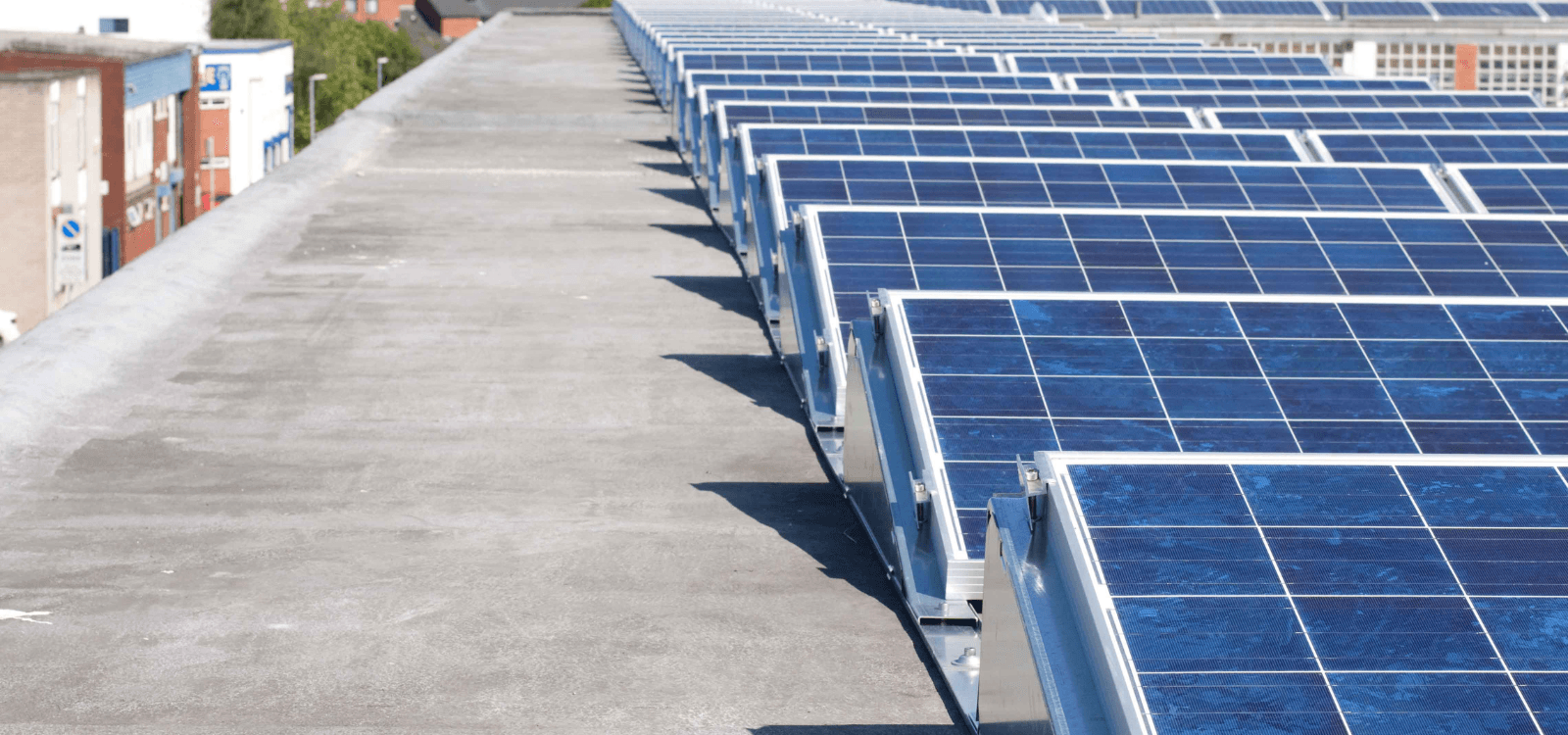
Original installer, lender, or engineer gone from your commercial solar deal? Here's how to track down contract terms, buyout options, and next steps.
You put solar on your commercial roof because it was supposed to be set it and forget it. Sun shines, energy is made, utility bills go down. Sign here, someone else designs it, someone else installs it, done — that was the pitch.
Maybe the engineer who designed your system has moved on. Maybe the lawyer who negotiated your contract isn't with the firm anymore. Maybe the installer was acquired, shifted focus, or sold the project to another owner. Before long, the person who could once answer your question with one phone call doesn't work there anymore.
You've still got paperwork — a folder or a drive with the original deal terms, the drawings, the engineering plans. Nobody currently at your company has actually read it, and most of it isn't written for someone who isn't an engineer or a lawyer to interpret anyway.
What Do You Do When No One at Your Company Understands the Solar Contract?
Start by locating the original documents — the contract, the engineering drawings, and the interconnection agreement — even if no one on staff can fully interpret them. A specialist who works with aging commercial solar can usually read those documents faster than you can track down someone who remembers signing them. The paperwork is rarely gone for good; it's just scattered and unread. None of this is a sign you did something wrong when you signed the original deal — solar contracts routinely run 15 to 25 years, which is longer than the average tenure of most people involved in negotiating them.
Questions that used to take one phone call now take weeks: What's our buyout option? When does this contract actually expire? Who do we call if something breaks? There used to be a person who knew. Now there's a folder nobody can fully interpret and a phone number that might not even work anymore.
Why Don't Solar Companies Stay in Touch After the Deal Closes?
Companies don't make money keeping old clients informed — they make money signing new ones. Once your deal closed, the incentive to keep you updated mostly evaporated on their end. That's not malice, it's just how the business works, and it's part of the same pattern we covered when looking at why nobody at a company always ends up responsible for the system after the original team disperses. This isn't unique to solar — any long-lived piece of infrastructure outlives the people who sold it. But solar contracts are unusual in how long they run and how technical they are, which makes the knowledge gap wider than it is for most equipment.
The result: your system can sit in limbo indefinitely, and nobody on the other end is losing sleep over it. You're the one losing sleep, though — whoever owns the roof owns the problem, whether or not you signed the original deal or even fully understand what you're looking at.
What Documents Should You Track Down First?
Before you can answer any question about your system, you need the paper trail. The most useful documents to locate are:
- ●The original contract or PPA. This spells out buyout terms, expiration dates, and who's responsible for maintenance.
- ●Engineering drawings and single-line diagrams. These show what equipment is actually installed and how it's wired.
- ●The utility interconnection agreement. This confirms your system's official standing with the grid operator.
- ●Warranty documentation. Equipment warranties often outlast the company that sold them, but only if you can prove they exist.
- ●Monitoring platform login credentials. Without these, you can't tell whether the system is even performing as promised.
- ●Any O&M (operations and maintenance) contract. This tells you who — if anyone — is currently obligated to service the system.
If even one of these is missing, that's normal. In practice, filling the gap often means paying a consultant or specialist by the hour just to translate paperwork that should have come with a plain-English summary in the first place. It's the reason this kind of paperwork gap has become common enough to have a name in the industry: an orphaned system.
Who Do You Call When Something Breaks?
If your monitoring shows the system underproducing, or if equipment fails outright, the honest answer is: it depends on documents you may not have read yet. A system that's still technically producing but quietly underperforming can go unnoticed for months, because nobody is checking the data closely enough to catch a slow decline.
Start with the O&M contract, if one exists — it should name a responsible party. If it's expired, lapsed, or was never signed by anyone still around, you're likely better off bringing in someone who specializes in reading old solar paperwork and diagnosing aging systems, rather than guessing.
Does an Unclear Solar Contract Affect Selling or Refinancing Your Property?
Yes — and often at the worst possible time. A rooftop solar system with no clear owner or documented status can stall a real estate closing until someone actually resolves the paperwork. Buyers, lenders, and title companies all want to know what they're inheriting, and "we're not sure" is not an answer that gets a deal to the closing table on schedule.
Sorting out the contract before you list the property, rather than after an offer is already on the table, avoids a scramble that can cost you leverage in the negotiation.
How Do You Get a Ballpark Value on a System Like This?
You don't have to solve every piece of the puzzle yourself. This is exactly the kind of quagmire that gets untangled every day — old contracts, missing points of contact, and systems nobody's fully accounted for. If it makes more sense to hand the whole thing off, some buyers will take the system as-is and remove the question mark from your desk entirely.
Getting a read on what your project may be worth takes about a minute — just your zip code, project type, system size, and the year it went live. From there, you can decide whether it's worth chasing down the old paperwork yourself or simply moving on.
Ready to Discuss Your Project?
Get your instant estimate or talk to our team about your legacy solar project.


