

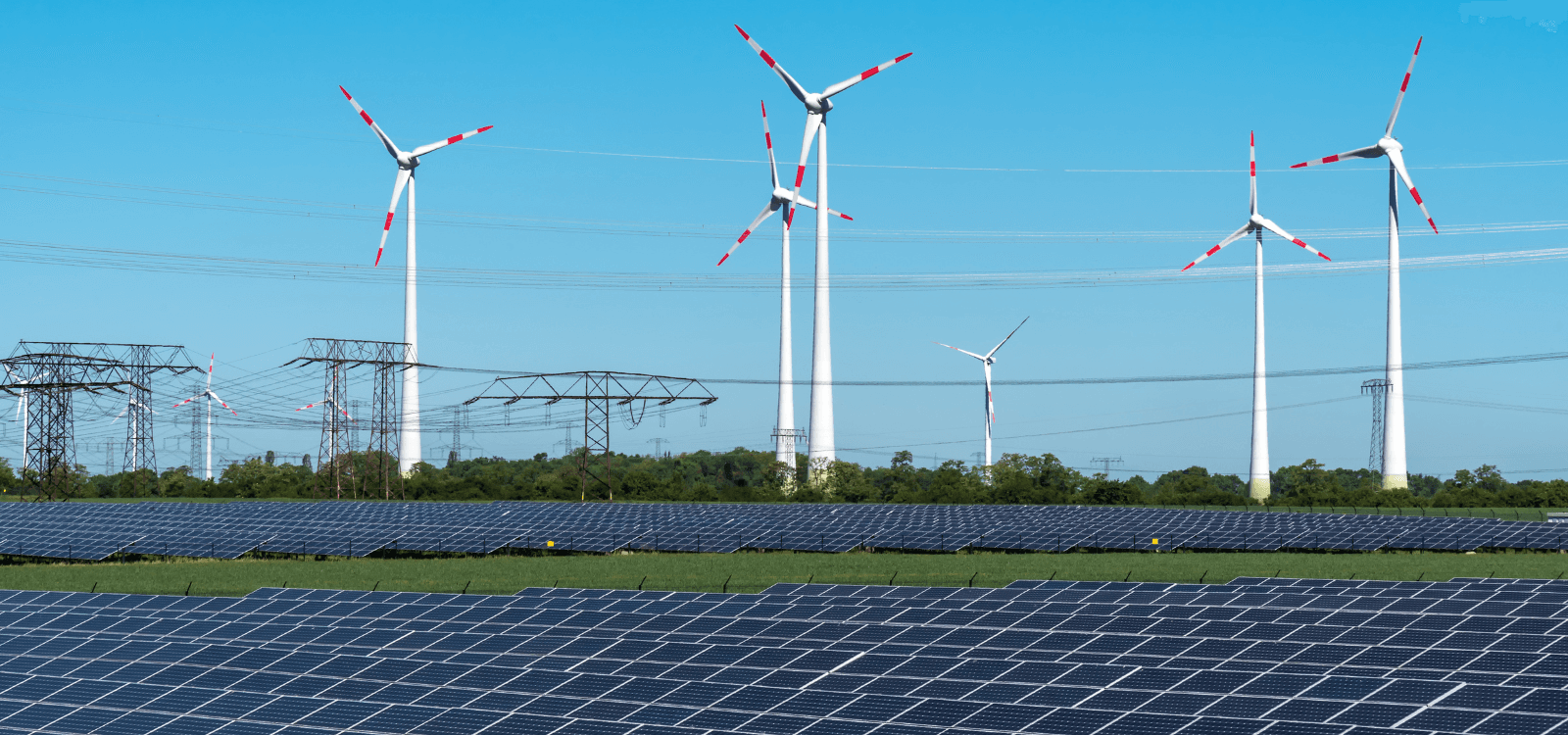
Elmya and Atlantica launched Elmantic, a 4 GW wind, solar, and storage venture in the West with first power near 2030. Why it's betting on the long game.
In September 2025, Spanish developer Elmya Energy and London-based Atlantica Sustainable Infrastructure launched Elmantic, a joint venture to build 4 GW of wind, solar, and energy storage across the western U.S.
The timing looks counterintuitive. Federal policy has turned against renewables, and investment is falling. But Elmantic's first projects aren't expected to produce power until close to 2030, well after today's policy fights.
Here is what Elmantic is building, why it's betting on a longer timeline, and what the move says about the U.S. clean energy market.
What Is the Elmantic Joint Venture?
Elmantic is a joint venture between Elmya Energy and Atlantica Sustainable Infrastructure to develop 4 GW of wind, solar, and storage in the ERCOT and WECC regions of the western U.S., according to Utility Dive.
The key details:
- ●Partners. Elmya Energy, a Spanish developer, and Atlantica Sustainable Infrastructure, based in London.
- ●Size. 4 GW of wind, solar, and energy storage.
- ●Regions. ERCOT in Texas and the WECC region across the West.
- ●Strategy. Mostly greenfield development, with the option to buy existing pipeline projects.
- ●Timeline. First projects expected to produce power near the end of the decade.
Why Would a Developer Invest in U.S. Renewables Now?
Elmantic is betting that U.S. demand for clean power will keep growing regardless of short-term policy, and that projects started now will come online in a more stable environment.
Colin Mott, head of North America at Elmya Energy, told Utility Dive: "Our industry has seen these ups and downs and it continues to get more competitive."
Demand is the anchor. Data centers, mining, and electrification are pushing electricity needs higher across the West. That doesn't change with federal policy.
There's also an opportunity in the disruption. Utility Dive reported that active interconnection queue requests declined for the first time in more than four years as speculative projects dropped out. That can open room for well-planned projects with longer timelines.
What Headwinds Are U.S. Renewables Facing?
U.S. renewables face falling investment, federal tax credit cuts, permitting restrictions on federal land, and direct federal action against specific projects.
The context, according to Utility Dive:
- ●Investment down. U.S. clean energy investment fell 36% in the first half of 2025, according to BloombergNEF.
- ●Tax credits cut. The July 2025 budget law phases out wind and solar tax credits early.
- ●Solar outlook. The law could cut utility-scale solar deployment by up to 20% by 2030 and raise module costs by as much as 15%, according to Cerini & Associates.
- ●Federal land. Permitting restrictions affect development in the West, where federal land is widespread.
- ●Project stoppages. The administration halted Ørsted's 704 MW Revolution Wind project, citing national security.
We covered the tax credit changes in how the One Big Beautiful Bill cuts clean power incentives.
Policy can slow the market. It doesn't change the fact that demand for power keeps rising.
What Happened With Revolution Wind?
A federal judge allowed Revolution Wind to resume construction on September 22, 2025, ruling that the administration's stop-work order was "the height of arbitrary and capricious action," according to CT Mirror.
The $6 billion project was more than 80% complete when work was halted in August 2025. Once finished, it will supply 704 MW to the New England grid.
The stoppage still shook investors. It showed that even nearly finished projects could face federal intervention. Courts have pushed back in other cases too, including allowing Vineyard Wind to resume construction.
Are Federal Land Restrictions Easing?
Some have been challenged in court. A federal ruling in 2026 temporarily lifted a de facto blockade of wind and solar projects on federal land, reopening a path for 57.2 GW of projects.
That matters in the West, where much of the best land for large solar and wind projects is federally managed. Legal fights like these are part of why developers like Elmantic are planning on longer timelines.
Why Does Timing Matter So Much for Renewable Developers?
Renewable projects take years to move from site selection to operation, so developers are effectively betting on market and policy conditions several years out.
A typical greenfield project has to secure land, complete environmental reviews, win interconnection approval, line up financing, buy equipment, and build. Each step can take a year or more.
Starting now for a 2029 or 2030 operating date means Elmantic's projects will face a different set of policies, prices, and demand than today's.
As we covered in why solar's record growth runs on credits Washington is now ending, today's installations reflect decisions made years ago. The same lag works in reverse for projects started now.
What Does This Mean for Existing Solar Owners?
When new projects face years of delay and higher costs, solar that's already built and connected becomes more valuable.
Existing systems don't need new land, permits, or interconnection approval. They're already producing, or could be with the right repairs.
Many commercial systems installed in the 2010s are losing output to aging inverters or degraded panels. Repowering an aging PV system restores that output far faster than any new project can come online.
Start With a Ballpark Estimate
If you own an existing commercial solar system, its value may have gone up as new development slows. Find out what your existing solar project may be worth before deciding whether to repair, repower, or sell.
Sources: Utility Dive, "This 4-GW renewables joint venture aims to outlast Trump administration"; CT Mirror, "Judge allows work to resume on CT Revolution Wind project"
Ready to Discuss Your Project?
Get your instant estimate or talk to our team about your legacy solar project.


