

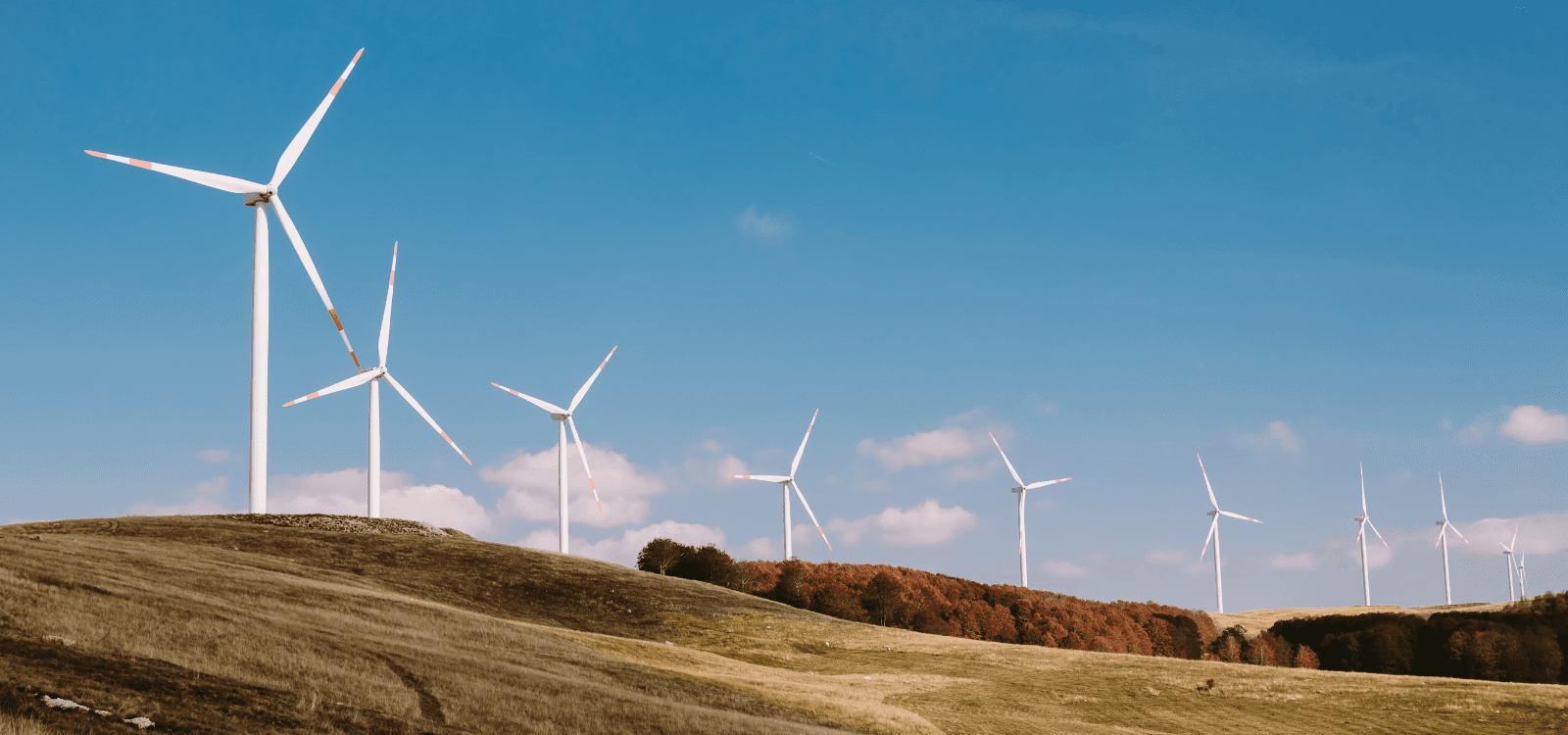
By 2030, about 86 GW of Europe’s wind capacity will be over 20 years old. Repowering these sites with modern turbines could significantly boost output, making it one of the fastest ways to add new clean energy without starting from scratch.
Europe’s Wind Fleet Is Aging. The Next Growth Phase Is Repowering
By 2030, about 86 GW of Europe’s wind capacity will be more than 20 years old. That is roughly one-third of the region’s current 291 GW wind fleet.
This creates a clear decision point for asset owners: repower, extend, or decommission.
Repowering Is the Main Opportunity
Repowering means replacing older turbines with newer ones, often on the same site. Early 2000s turbines were typically 1–2 MW each. Modern onshore turbines are often 4–6 MW, with much larger rotor diameters and higher hub heights.
Even with fewer turbines, total output can increase significantly due to better capacity factors and improved technology.
Repowering also benefits from existing infrastructure:
- ●Grid connections already in place
- ●Established permitting pathways or precedent
- ●Secured land use
This makes it one of the fastest ways to add new capacity without starting from scratch.
It Still Comes With Friction
Repowering is not always straightforward. Many projects still require new permits, updated grid studies, renegotiated land leases, and fresh financing. In some cases, the process resembles a new development rather than a simple upgrade.
Policy and permitting timelines vary widely across countries, which can slow deployment.
Other Paths: Extend or Retire
Extending the life of existing turbines is often the lowest-cost option in the short term. It allows assets to keep generating with limited new investment. But output declines over time, and maintenance costs tend to increase.
Decommissioning removes the project entirely. In some cases, this is necessary. But it also means losing valuable grid access and a permitted energy site, both of which are difficult to replace given current interconnection and permitting constraints.
Early Signs of the Shift
This transition is already underway. In Germany, repowering accounted for about one-third of the 4.6 GW of wind capacity added in 2025, or roughly 1.5 GW, supported by targeted policy and faster approvals.
Planning Starts Earlier
The approach to wind development is changing. Repowering is no longer treated as a decision made at year 20. Developers are beginning to think about it from the start.
Design choices made today can affect how easily a site can be upgraded in the future.
A Lifecycle Approach
The industry is shifting from building wind farms to managing them across their full lifecycle. The projects that are designed with repowering in mind will be better positioned to deliver long-term value.
The question is not whether these assets will face a transition. It is how prepared they will be when that moment arrives.
Ready to Discuss Your Project?
Get your instant estimate or talk to our team about your legacy solar project.


