

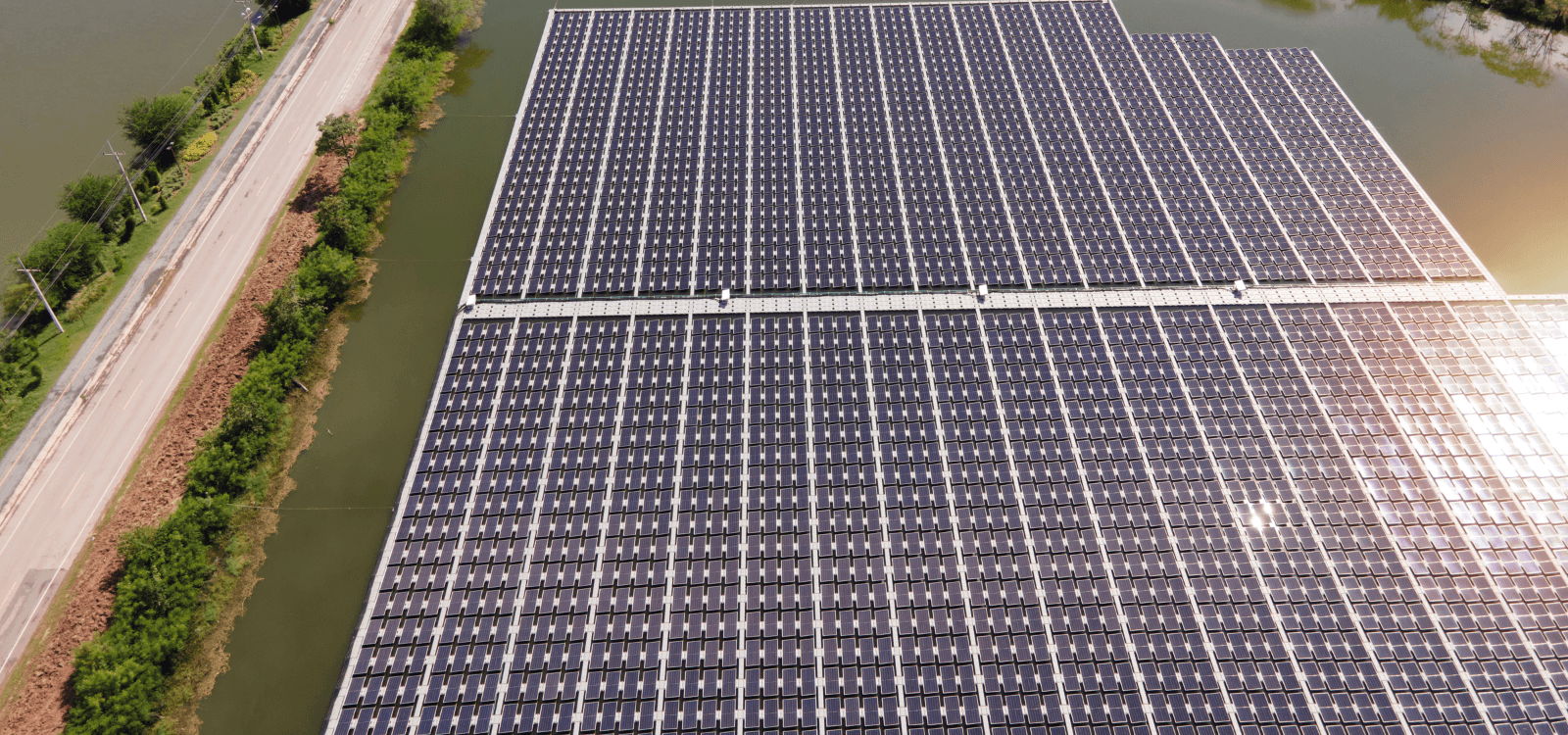
Noria Energy is building the first U.S. floating solar project with trackers, a 50 kW pilot in Colorado that could lift output 10-20%. What it could mean.
Floating solar isn't new. Floating solar that follows the sun is.
In August 2025, Noria Energy began building the first U.S. floating solar project with trackers, on the Fairmount Reservoir in Golden, Colorado. The 50 kW pilot uses Noria's AquaPhi technology, which rotates panels to follow the sun and could boost output by an estimated 10% to 20%.
Here is how the project works, why floating solar with trackers is worth watching, and what it suggests about getting more from existing sites.
What Is the Colorado Floating Tracker Project?
Noria Energy's 50 kW floating solar pilot on the Fairmount Reservoir in Golden, Colorado, is the first U.S. project to test a floating solar system with trackers, according to Solar Power World.
The key details:
- ●Developer. Noria Energy.
- ●Technology. AquaPhi floating solar tracker.
- ●Size. 50 kW.
- ●Location. Fairmount Reservoir, Golden, Colorado.
- ●Owner. Consolidated Mutual Water Company.
- ●Partners. GRID Alternatives and Hazelett Marine.
- ●Commissioning. Scheduled for September 2025.
The system will power on-site pumps that regulate the reservoir's water supply.
Who Is Behind the Project?
The project brings together a technology developer, a water utility, a nonprofit installer, and a marine equipment company.
Consolidated Mutual Water Company owns the reservoir and the system. GRID Alternatives, a nonprofit solar installer, and Hazelett Marine, which specializes in marine mooring, are partners on the build.
Noria CEO Ron Stimmel said the company "couldn't be more excited to work with our partners CMWC, GRID Alternatives, and Hazelett to deploy our powerful technology."
Pairing a water utility with a solar developer makes practical sense. The utility has the site and the energy demand, and the developer brings the technology.
How Does a Floating Solar Tracker Work?
A floating solar tracker rotates panels on the water to follow the sun through the day, capturing more sunlight than panels fixed in one position.
Trackers are common on land-based utility-scale solar. They tilt panels to face the sun as it moves, which increases production in the morning and late afternoon.
Bringing that to floating solar is harder. The system has to move reliably on water, handle wind and waves, and stay anchored. Noria estimates its AquaPhi design could raise energy output by 10% to 20% compared with static floating systems.
Why Put Solar on Water at All?
Floating solar uses water surfaces that already exist, avoids competition for land, and can reduce evaporation from reservoirs.
The benefits:
- ●No new land. Reservoirs, ponds, and industrial water bodies become generation sites.
- ●Less evaporation. Panels shade the water, reducing evaporation losses.
- ●Cooler panels. Water can help keep panels cooler, which can support performance.
- ●Nearby loads. Water utilities can power pumps and treatment on site.
Land-use conflicts are a real barrier for solar, as we've seen in debates over farmland and large solar farms. Floating solar sidesteps some of those fights.
The best new site is often one that's already there: a roof, a parking lot, or a reservoir.
Is Floating Solar Ready to Scale?
Not yet for trackers. The Colorado project is a small pilot, and questions remain about cost, durability, and performance over time.
Readers of the Solar Power World article raised practical questions, including how the system will handle freeze-thaw cycles and whether the added output justifies the cost. Those answers will come from operating data.
That's the point of a pilot. If it works, it could show that reservoirs across the country can serve as both water and energy assets.
What Other Ways Are There to Get More From Solar?
Solar output can be increased through smarter siting, better equipment, and upgrades to existing systems. Floating trackers are one example of a broader push to get more from each project.
Other approaches include:
- ●Trackers on land. Following the sun to raise daily production.
- ●Better-suited sites. Parking canopies, rooftops, and landfills that avoid land conflicts.
- ●Performance improvements. Research shows the next solar boom may come from better performance rather than new capacity alone.
- ●Repowering. Replacing aging equipment on existing sites to restore and raise output.
Solar has always advanced by borrowing ideas from other fields, as an MIT study of solar cost declines found. Floating trackers combine marine engineering with solar tracking.
Why Does This Matter for Water Utilities?
Water utilities are large energy users, and floating solar lets them generate power on property they already control.
Pumping and treating water takes a lot of electricity. Putting solar on the same reservoirs a utility manages can cut energy costs while reducing water loss.
The Colorado project connects directly to that use. Its output powers the pumps that regulate the reservoir's supply.
What Does This Mean for Existing Solar Owners?
The same logic behind floating solar, getting more from a site that already exists, applies to aging commercial solar systems.
Many systems installed in the 2010s are producing less than they should because of aging inverters or degraded panels. They already have a site, permits, and a grid connection.
Repowering an aging PV system with modern equipment can restore output and, in some cases, raise it above what the system originally produced.
Start With a Ballpark Estimate
If you own an existing commercial solar system, find out what your existing solar project may be worth before deciding whether to repair, repower, or sell.
Source: Solar Power World, "Construction underway on 1st floating tracker solar project in US"
Ready to Discuss Your Project?
Get your instant estimate or talk to our team about your legacy solar project.


