

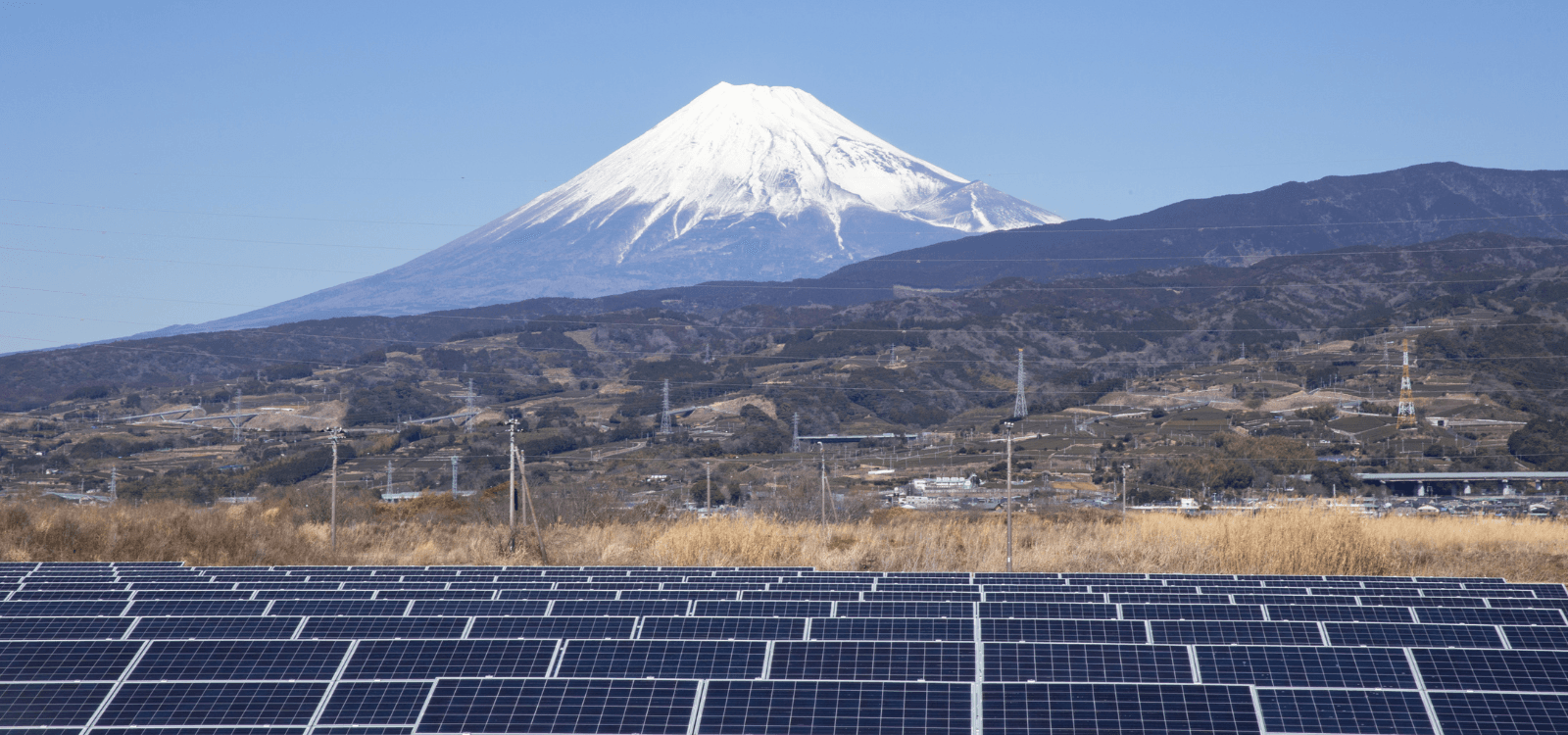
Japan built nearly 100 GW of solar under fixed-price contracts. As those deals expire, projects are shifting to market-based revenue, forcing owners to rethink financing, performance, and long-term value.
Japan’s Solar Market Is Moving Beyond Fixed Pricing
Japan built nearly 100 GW of solar capacity under a system that guaranteed fixed pricing. That model is now changing.
For more than a decade, feed-in tariffs (FIT) paid solar projects a fixed price per kWh for 20 years. This created stable and predictable revenue, which helped scale solar deployment quickly.
Now, those early contracts are starting to expire.
A Shift in How Solar Is Financed
GSSG Solar and Voltaiyo recently refinanced a 104 MW portfolio of operating solar projects in Japan with SBI Shinsei Bank.
The portfolio includes eight projects across Honshu and Kyushu. These are first-generation FIT assets now approaching the end of their guaranteed pricing period.
Lenders are still active, but how they evaluate projects is changing. Instead of relying on fixed tariffs, they are focusing on actual production data, performance consistency, and long-term maintenance quality.
Projects that perform well in real conditions are easier to finance.
The Policy Transition
Japan’s broader solar market is also shifting.
- ●Around 100 GW of installed solar capacity by the end of 2024
- ●About 5.8 to 6 GW added in 2025
- ●FY2026 marks the final year of auction-based support for larger projects
- ●No new auctions planned from FY2027 onward
This marks the end of a long period of policy-driven pricing support.
New Revenue Paths
As FIT contracts expire, asset owners have three main options:
- ●Sell electricity directly into the wholesale market
- ●Use a feed-in premium, adding a market-based payment on top of electricity sales
- ●Sign long-term corporate power purchase agreements
All of these introduce exposure to market pricing, which is typically lower and less predictable than fixed FIT rates.
Repowering as a Strategy
Repowering is becoming part of the conversation.
Many early FIT-era systems were designed for about 20 years of operation. The panels are still working, but performance declines over time, and newer technology offers higher output.
Repowering allows owners to upgrade modules and inverters while keeping the same land and grid connection. That helps extract more value from existing assets.
Market Forces Are Supporting Demand
Japan still relies heavily on imported fuel, which has pushed electricity prices higher. At the same time, corporate demand for renewable energy continues to grow.
Demand for solar remains strong. What is changing is how that energy is priced and sold.
What This Transition Means
The refinancing of the Jupiter portfolio reflects a broader shift.
The focus is no longer on how much solar was built under guaranteed pricing. It is on how those assets perform without it.
As more FIT-era projects reach expiry, the key question becomes whether they can continue to generate stable returns in a market-driven environment.
Ready to Discuss Your Project?
Get your instant estimate or talk to our team about your legacy solar project.


