

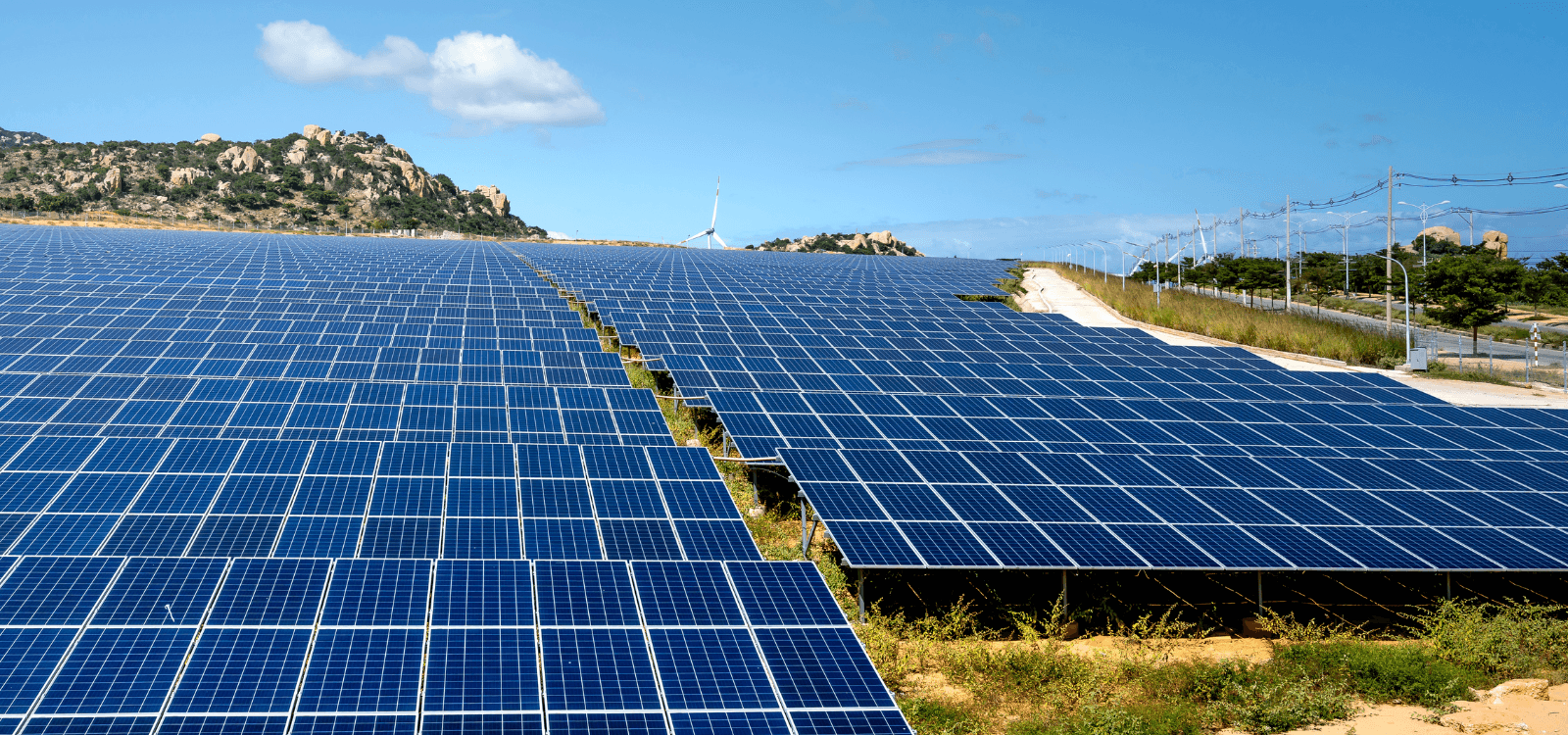
Lazard’s latest Levelized Cost of Energy report shows that while every major power technology became more expensive to build in 2026, utility-scale solar and onshore wind remain among the lowest-cost options for new electricity generation.
Even After Rising Costs, Solar and Wind Remain the Lowest-Cost New Power Sources
Building new power plants became more expensive across the board in 2026.
Higher interest rates, inflation, supply chain constraints, and tariffs pushed up costs for every major generation technology.
Yet despite those increases, utility-scale solar and onshore wind remain among the lowest-cost ways to build new electricity generation in the United States.
That's one of the key findings from Lazard's latest Levelized Cost of Energy (LCOE) report, one of the energy industry's most widely referenced annual comparisons of power generation costs.
What Is the Levelized Cost of Energy?
The Levelized Cost of Energy (LCOE) measures the average lifetime cost of building and operating a power plant, expressed as the cost of generating one megawatt-hour (MWh) of electricity.
It gives utilities, developers, investors, and policymakers a consistent way to compare different technologies, regardless of how they produce electricity.
While LCOE doesn't capture every aspect of operating a power system, such as reliability, transmission, or flexibility, it remains one of the most widely used benchmarks for comparing the economics of new generation projects.
Every Technology Became More Expensive
Compared with Lazard's 2025 report, average costs increased across every major generation technology.
Average LCOE Increased Across Every Major Technology
Compared with Lazard's 2025 report:
- ●Utility-scale solar increased from $58/MWh to $69/MWh, an 18% increase.
- ●Onshore wind increased from $60/MWh to $68/MWh, an 11% increase.
- ●Combined-cycle natural gas increased from $72/MWh to $83/MWh, a 15% increase.
- ●Gas peaker plants increased from $200/MWh to $210/MWh, a 5% increase.
Despite those increases, the overall rankings remained largely unchanged. Utility-scale solar and onshore wind continued to be among the most cost-competitive options for building new generating capacity.
The Long-Term Trend Is Still Clear
Recent cost increases are significant, but they represent only a small part of a much longer story.
Since Lazard published its first LCOE report in 2009:
- ●Utility-scale solar has fallen from an average of $359/MWh to $69/MWh, an 81% decline.
- ●Onshore wind has dropped from $135/MWh to $68/MWh, a 50% decline.
Those long-term reductions reflect years of improvements in technology, manufacturing, project development, and economies of scale.
The past few years have reversed some of that progress, but today's costs remain far below where they were 15 years ago.
Why Costs Increased
The report attributes recent increases to several factors affecting the broader power industry, including:
- ●Inflation
- ●Higher interest rates
- ●Supply chain disruptions
- ●Tariffs on imported equipment
These pressures have affected nearly every type of new power project, not just renewable energy.
The result is a higher-cost environment for developers regardless of which technology they choose.
What's Next for New Generation?
Despite higher costs, Lazard expects wind, solar, and battery storage to account for most new generating capacity added in the coming years.
Meeting growing electricity demand, however, will require more than simply building new generation.
The Remaining Challenges
The report highlights several areas that will influence how quickly new capacity can be deployed:
- ●Faster permitting
- ●Expanded transmission infrastructure
- ●Shorter interconnection queues
- ●Continued investment in energy storage
Addressing these bottlenecks will be just as important as reducing equipment costs if the power sector is expected to keep pace with rising electricity demand.
Cost Leadership Doesn't Solve Every Challenge
Lazard's 2026 LCOE report shows that every major power generation technology became more expensive to build.
But it also reinforces a longer-term trend.
Even after one of the toughest cost environments the industry has faced in years, utility-scale solar and onshore wind remain among the most cost-competitive options for adding new electricity generation.
As electricity demand continues to grow, the conversation is becoming less about whether these resources are affordable and more about how quickly the grid can integrate them alongside the transmission, storage, and flexible capacity needed to maintain a reliable electric system.
Ready to Discuss Your Project?
Get your instant estimate or talk to our team about your legacy solar project.


