

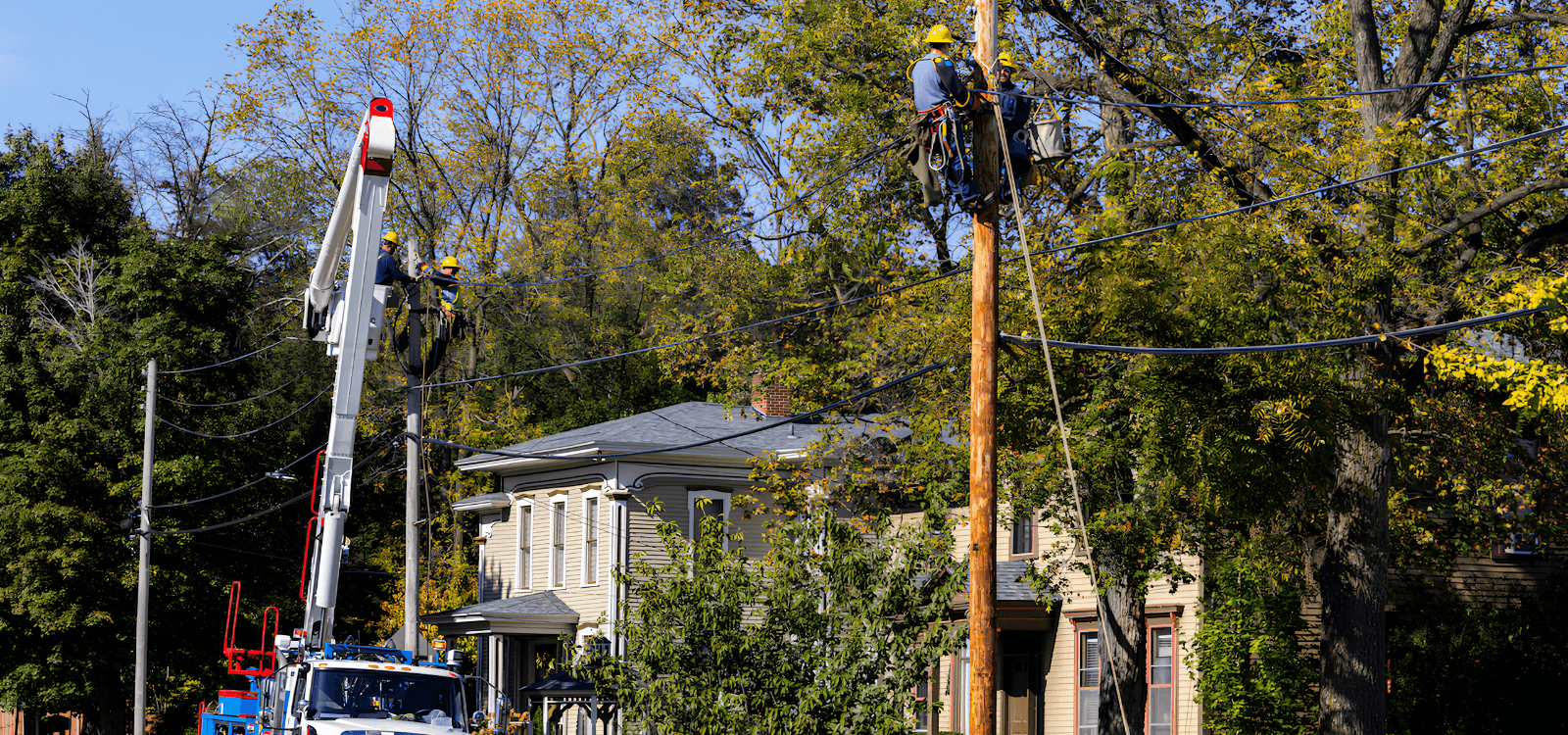
Consumers Energy is seeking its largest rate increase in two decades, arguing it is needed to improve grid reliability. The proposal has renewed debate over accountability, infrastructure investment, and rising electricity costs.
Consumers Energy Wants Another Rate Hike. Michigan Customers Could See Bills Rise About 15% in One Year.
Michigan customers are still adjusting to an electricity rate increase that took effect in May 2026.
Now, Consumers Energy is asking regulators to approve another increase, its largest electric rate request in two decades.
If approved, residential customers could see electricity bills rise by roughly 15% after combining this year's increase with the proposed one.
Another Rate Increase Is Already on the Table
Consumers Energy is seeking a $456 million annual electric rate increase.
The utility estimates that would raise residential bills by about 9.8%.
That comes only months after a separate $216.9 million rate increase took effect in May 2026, adding roughly 4.7% to residential bills.
The Total Impact Is Larger Than It Appears
Because the increases compound rather than simply add together, customers would ultimately pay about 15% more than they did before the May increase.
Combined, the two rate cases would increase annual customer payments by approximately $672.9 million.
Since 2020, Michigan regulators have already approved nearly $800 million in electric rate increases for Consumers Energy, which serves about 6.8 million people across all 68 counties in Michigan's Lower Peninsula.
More Than the Base Rate Request
The proposed $456 million increase is only part of the filing.
Consumers Energy is also requesting:
- ●A temporary $25 million surcharge over 12 months for storm restoration.
- ●An additional $52 million spread over three years to recover storm-related costs.
Why the Utility Says More Money Is Needed
Consumers Energy says the additional revenue will fund:
- ●Grid modernization
- ●Expanded tree trimming
- ●Automation upgrades
- ●Other reliability improvements
The utility reports that average outage duration during normal operating conditions has improved by about one hour since 2021, largely because of increased vegetation management and infrastructure investments.
Customers Want Stronger Evidence
That improvement does not include major storm events.
When severe weather is factored in, reliability has continued to vary from year to year, and many customers say service has not improved enough to justify repeated rate increases.
This has become the central debate.
Consumers Energy argues that continued investment is necessary to strengthen an aging grid.
Consumer advocates argue that customers are being asked to fund another round of spending before the benefits of previous increases have been fully demonstrated.
The company has now requested electric rate increases in seven consecutive years.
What Happens Next
The Michigan Public Service Commission has up to 10 months to review the request and frequently approves less than utilities initially seek.
Consumers Energy is requesting that any new rates take effect around May 1, 2027.
The Review Process Matters
Even if regulators approve only part of the request, customers would still face another increase on top of the rates that took effect this year.
The review will include public comment periods, giving residents, businesses, and other stakeholders an opportunity to weigh in before a final decision is made.
For many Michigan customers, the discussion is no longer just about higher bills.
It is about whether rising rates are producing measurable improvements in reliability, and how quickly those improvements should be expected to appear.
Ready to Discuss Your Project?
Get your instant estimate or talk to our team about your legacy solar project.


