

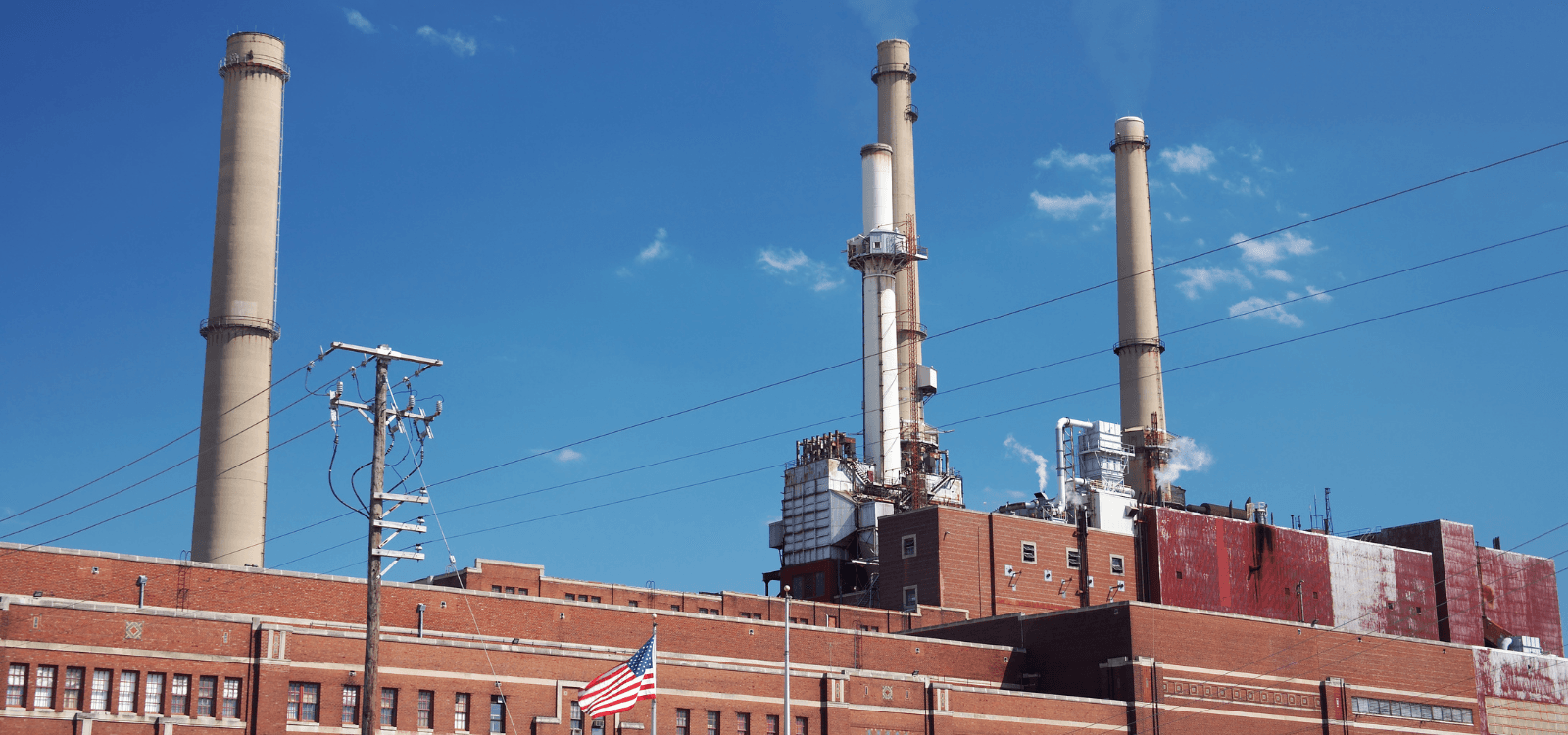
The U.S. Department of Energy has repeatedly used emergency powers to delay coal and gas plant retirements, raising questions about reliability planning and the nearly $550 million annual cost of keeping aging plants available.
Keeping Aging Power Plants Online Is Costing Nearly $550 Million a Year
The U.S. Department of Energy is increasingly using emergency powers to delay the retirement of aging coal and natural gas power plants.
The goal is to protect grid reliability as electricity demand grows.
The cost is substantial.
According to a report released by the Sierra Club, keeping seven power plants available under these emergency orders costs about $1.5 million per day, or roughly $548.8 million per year.
How the Emergency Orders Work
The authority comes from Section 202(c) of the Federal Power Act.
This provision allows the U.S. Department of Energy to require power plants to continue operating during electricity emergencies.
Since 2025, DOE has repeatedly issued and renewed Section 202(c) orders affecting coal and natural gas plants in regions including PJM Interconnection and Midcontinent Independent System Operator (MISO).
Why DOE Says They're Needed
DOE argues the orders help bridge a growing gap between electricity supply and demand.
Several trends are contributing to that challenge:
- ●Rising electricity demand from AI data centers
- ●New manufacturing facilities, including semiconductor and clean energy plants
- ●Electrification of transportation and buildings
- ●Retirement of older generating units
Keeping existing plants available, even temporarily, is intended to reduce reliability risks during periods of peak demand.
The Results Have Been Mixed
Not every plant covered by these orders has actually generated electricity.
Some facilities have been called on during periods of tight supply and contributed to grid reliability.
Others have remained on standby for months.
Paying for Capacity That May Never Be Used
One example is the 730 MW Centralia coal plant in Washington.
According to the Sierra Club report, the plant reportedly cost about $19.9 million to remain available under one DOE emergency order despite never generating electricity during that period.
That has raised questions about whether repeated emergency orders are the most effective way to maintain reliability.
A Longer-Term Question
Many grid experts argue that emergency powers were designed for unexpected events, not as an ongoing strategy for managing resource adequacy.
Instead, they point to longer-term solutions, including:
- ●Better transmission planning
- ●Faster interconnection of new generation
- ●Expanded energy storage
- ●Flexible demand response
- ●Capacity market reforms
- ●Continued investment in new generation resources
When Does an Emergency Stop Being Temporary?
The debate is no longer just about whether these aging plants should remain available.
It is about whether repeated emergency orders signal a broader planning challenge.
If emergency authority must be renewed again and again because replacement resources are not arriving fast enough, the issue may extend beyond individual plant retirements.
It may point to a larger question about whether the current pace of planning, permitting, and infrastructure development is keeping up with the electricity system's changing needs.
Ready to Discuss Your Project?
Get your instant estimate or talk to our team about your legacy solar project.


