

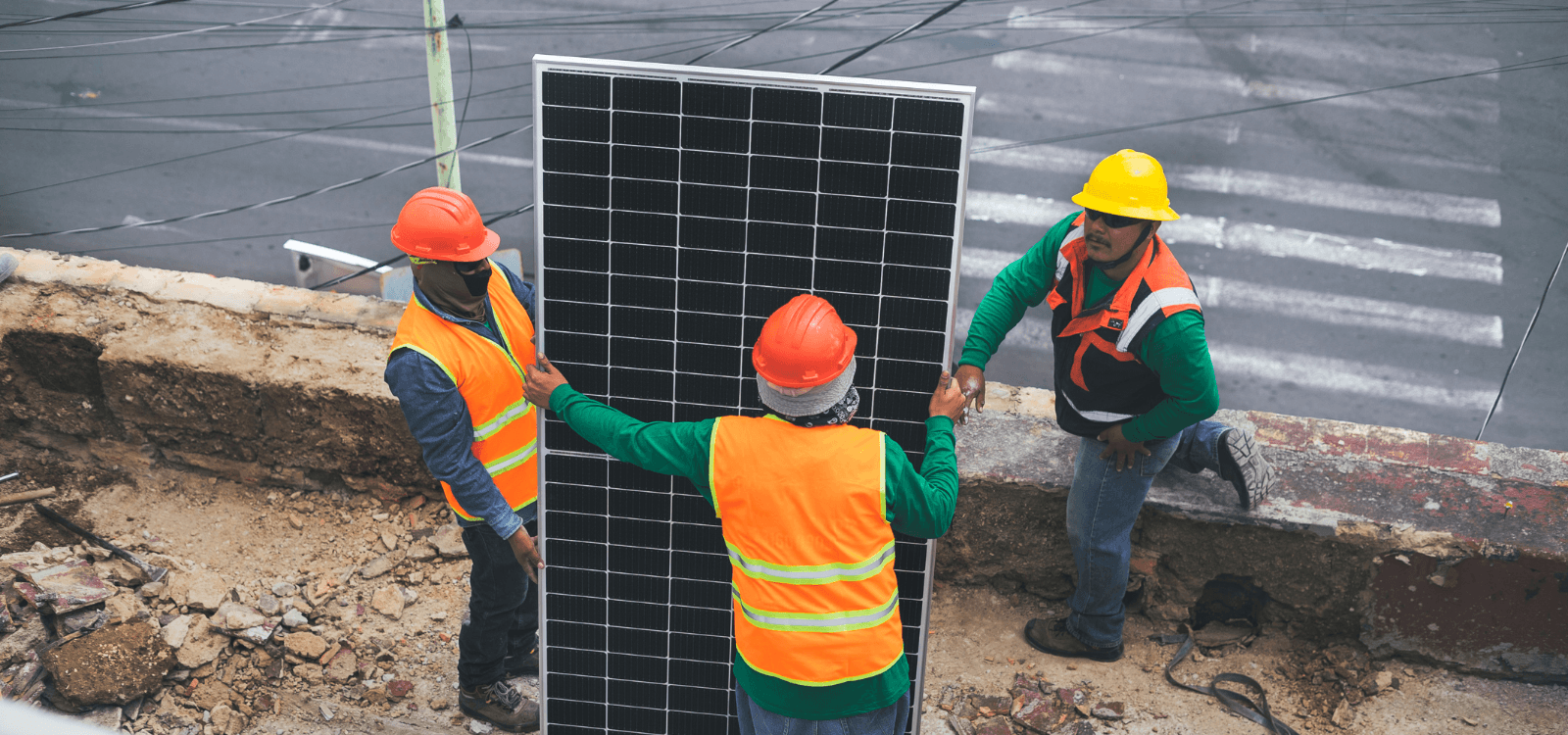
Puerto Rico has shown that distributed solar and batteries can deliver real reliability at scale, supporting the grid and preventing blackouts after years of system failure. Now, federal cuts to rooftop solar and storage programs risk undermining one of the clearest real-world examples of how distributed energy protects households, especially the most vulnerable.
Puerto Rico Proved Distributed Solar Works. So Why Cut It Now?
Last year, we covered Puerto Rico’s quiet energy shift.
First, we looked at how tens of thousands of rooftop systems were linked into a coordinated virtual power plant supporting the grid during peak demand. If you missed that analysis, you can read it here.
Then we went deeper into how community-driven solar adoption reshaped resilience across the island, especially after repeated grid failures. That broader context is here.
Together, those two developments tell a larger story.
This isn’t a pilot program.
It isn’t a theoretical case study.
It’s a real-world example of distributed solar and storage stabilizing an aging grid.
A Real-World Test of Grid Resilience
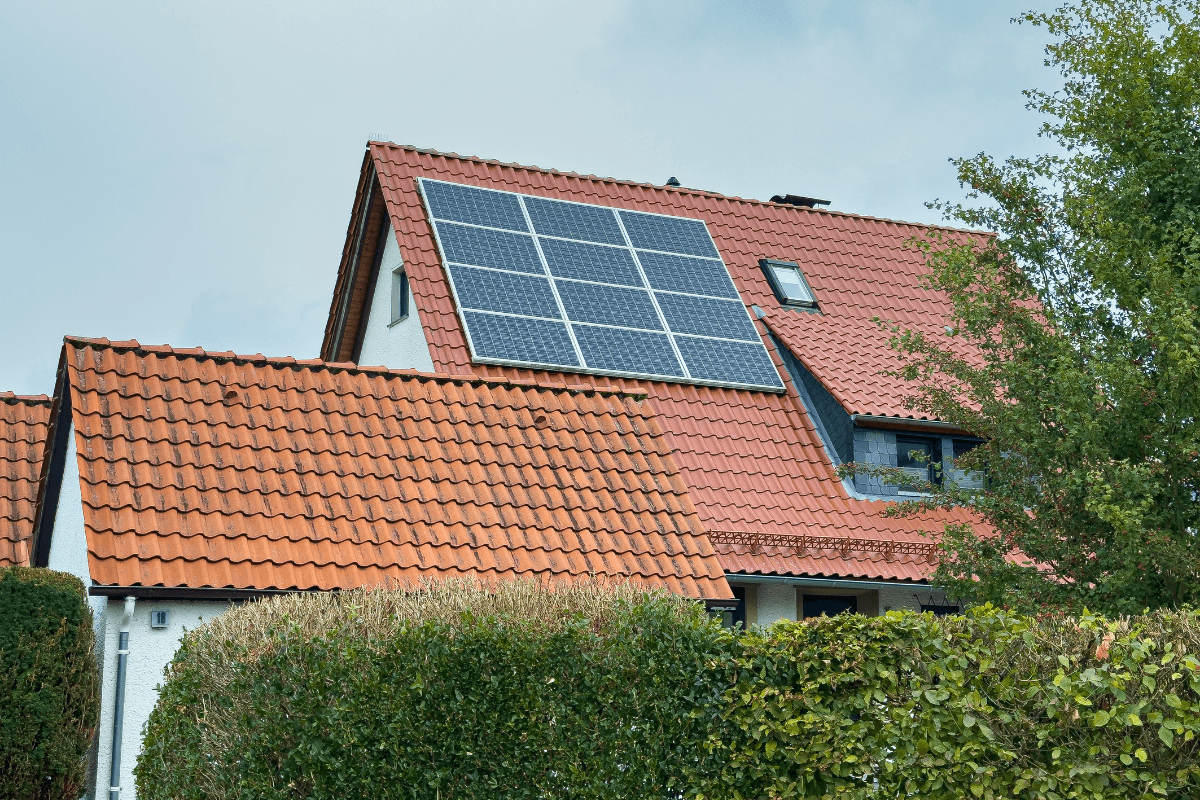
Puerto Rico now has roughly 1.3 gigawatts of residential solar and around 185,000 home batteries.
More than 70,000 of those batteries are enrolled in a coordinated virtual power plant.
That’s real, dispatchable capacity.
On an island with a long history of hurricane-driven outages, these systems have already helped prevent blackouts. And during major storms, they likely prevented worse outcomes.
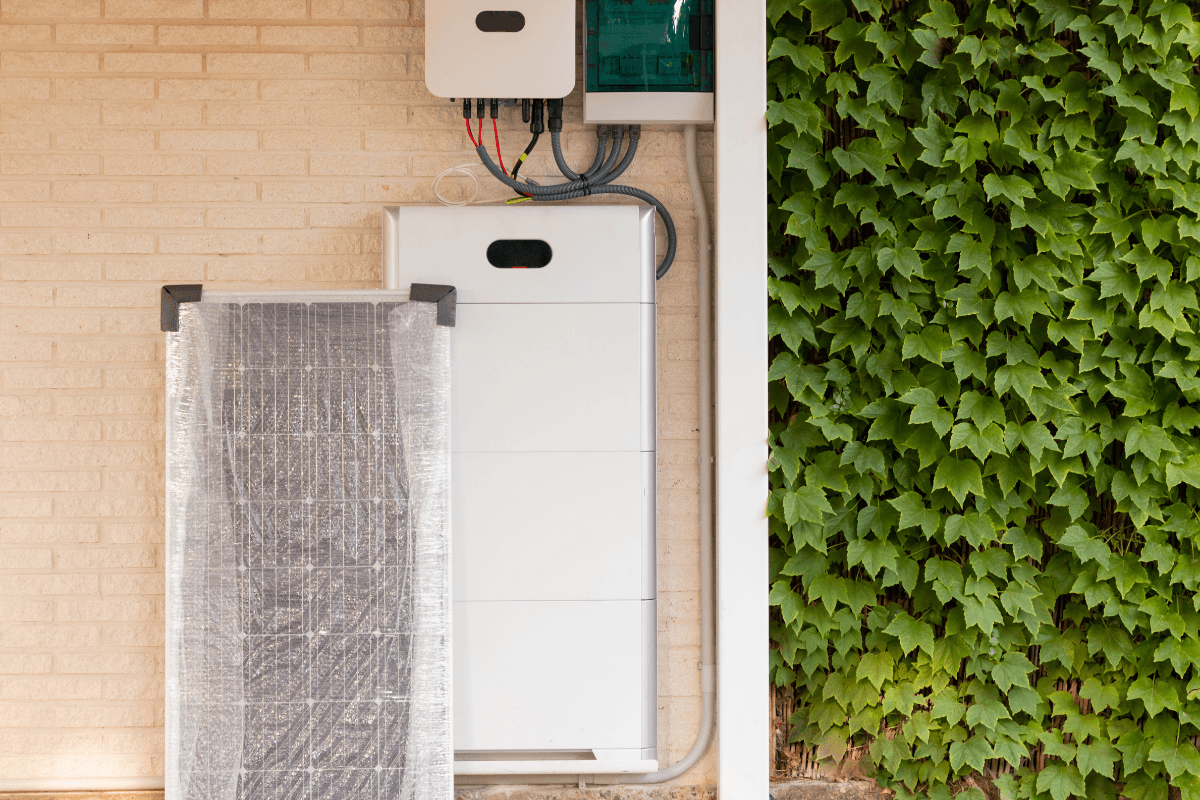
Nearly every new installation includes storage. Households want electricity that stays on when the centralized grid fails.
Distributed solar didn’t cause fragility. It emerged because fragility already existed.
Why Households Took Control
Puerto Rico’s grid instability didn’t begin with rooftop solar.
Rolling outages. Extended storm blackouts. Years of underinvestment and operational failures.
Residents responded the only way they could. They built their own backup systems.
And they did it at scale.
Distributed energy in Puerto Rico is not an experiment. It is a response to repeated grid failure.
That context matters now.
Federal Solar Programs Have Been Canceled
The Trump administration recently canceled multiple federal solar initiatives in Puerto Rico.
One of them was a roughly $400 million program designed to install solar and battery systems for low-income families and medically vulnerable residents.
The U.S. Department of Energy argued that the island’s grid “cannot afford to run on more distributed solar power,” claiming rapid rooftop deployment created instability.
But the timeline tells a different story.
Puerto Rico’s grid was unstable long before distributed solar scaled.
This is not foreign aid. Puerto Rico is a U.S. territory. The people affected are U.S. citizens. Supporting resilience there is domestic infrastructure investment.
The Grid Stability Argument
There’s a key contradiction.
Modern inverters can help regulate voltage and frequency. Virtual power plants coordinate battery dispatch to support the grid, not destabilize it.
The centralized system struggled for years. Distributed solar stepped in to fill the gap.
If distributed solar and batteries are already reducing blackouts, why stop programs that would extend resilience to the most vulnerable households?
If medically fragile communities depend on reliable electricity, why remove support for systems that keep the lights on?
These aren’t abstract policy debates. They affect real people ahead of the next storm season.
A Stress Test the Mainland Should Study
Puerto Rico is a stress test for grid modernization.
When centralized infrastructure fails repeatedly, distributed systems scale fast.
Households act. Markets respond. Technology deploys.
And in this case, it worked.
If you’re interested in how distributed systems integrate with legacy infrastructure, see how we evaluate aging solar assets and grid-connected systems in complex environments.
The lesson is clear.
Walking away from distributed solar in Puerto Rico doesn’t reflect caution. It ignores real-world results.
When vulnerable communities lose access to reliable power ahead of hurricane season, the consequences are measurable.
And preventable.
What This Means for Grid Strategy Going Forward
Puerto Rico demonstrates something simple:
- ●Distributed solar scales when reliability collapses
- ●Storage becomes standard when outages are common
- ●Virtual power plants provide real dispatchable capacity
- ●Resilience improves when households participate
The mainland grid is not immune to extreme weather or aging infrastructure.
So the bigger question is this:
Are we learning from what works?
Want to understand how distributed solar assets are valued and managed long-term?
We specialize in evaluating and acquiring legacy and complex solar projects across the U.S.
If you’re operating an aging system or assessing long-term asset performance:
See what your project is worth in 30 seconds. Get your instant estimate
Or if your situation is more complex:
Talk to our team about your specific project. Contact us
Ready to Discuss Your Project?
Get your instant estimate or talk to our team about your legacy solar project.


