

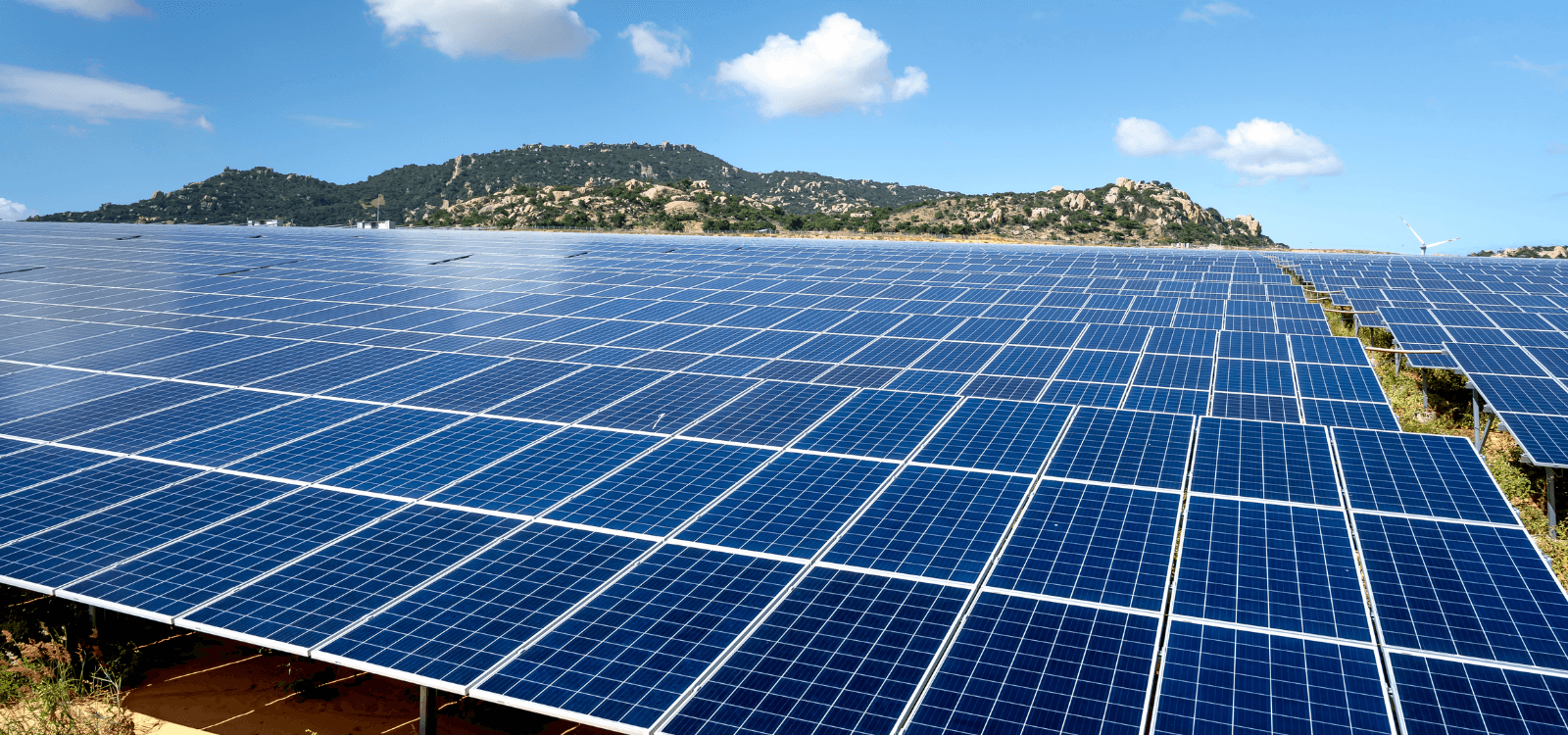
U.S. solar is adding record capacity, but today's growth reflects projects approved under earlier incentives. The next phase will depend on how developers adapt to changing federal policy.
Is This Really a Golden Age for U.S. Solar?
The U.S. solar industry is posting record numbers.
In the first quarter of 2026, solar and storage accounted for 91% of all new electricity generation capacity added to the grid. Developers installed 7.8 GW of new solar in just three months.
Those are impressive figures.
But they don't necessarily reflect today's policy.
Why Solar Is Growing Now
Tim Pawlenty, president and CEO of the Solar Energy Industries Association, recently described the current moment as a "golden age of solar", arguing that the industry continues to expand despite a less supportive federal policy environment.
The deployment numbers certainly support that view at first glance.
Today's Projects Were Approved Years Ago
Large utility-scale solar projects are not built overnight.
They often require years of permitting, financing, engineering, and construction before they begin generating electricity.
Most of the projects entering service today were approved between 2022 and 2024, when the Inflation Reduction Act and earlier investment tax credit rules provided long-term certainty for developers.
That means today's installations are largely the result of decisions made under the previous policy framework.
A Pipeline Built Before the Rules Changed
According to Wood Mackenzie, between 216 GW and 240 GW of utility-scale solar projects secured eligibility for federal tax credits before new rules took effect at the end of 2025.
That Pipeline Still Has Years to Run
That existing backlog is large enough to support utility-scale solar growth through roughly 2030.
In other words, much of the industry's near-term expansion has already been financed and committed.
It reflects momentum that was created before recent policy changes, not necessarily because of them.
The Next Wave Looks Different
The longer-term outlook is more challenging.
Wood Mackenzie expects overall U.S. solar installations to remain relatively flat over the next five years.
Several policy changes are contributing to that outlook:
- ●Residential solar installations are projected to decline by 21% in 2026 after the expiration of key tax credits.
- ●Tax incentives for new utility-scale projects begin phasing down after July 4.
- ●Projects that begin after that date must be completed by the end of 2027 to qualify for the full credit, shortening development timelines and making financing more difficult.
Looking Beyond Today's Headlines
Current deployment numbers are real.
But they largely reflect investments made under earlier policies rather than the rules developers face today.
That distinction matters when evaluating where the industry is headed.
Today's growth is the result of decisions made years ago. The next chapter will depend on whether new projects remain financially attractive under the current policy framework.
Ready to Discuss Your Project?
Get your instant estimate or talk to our team about your legacy solar project.


