

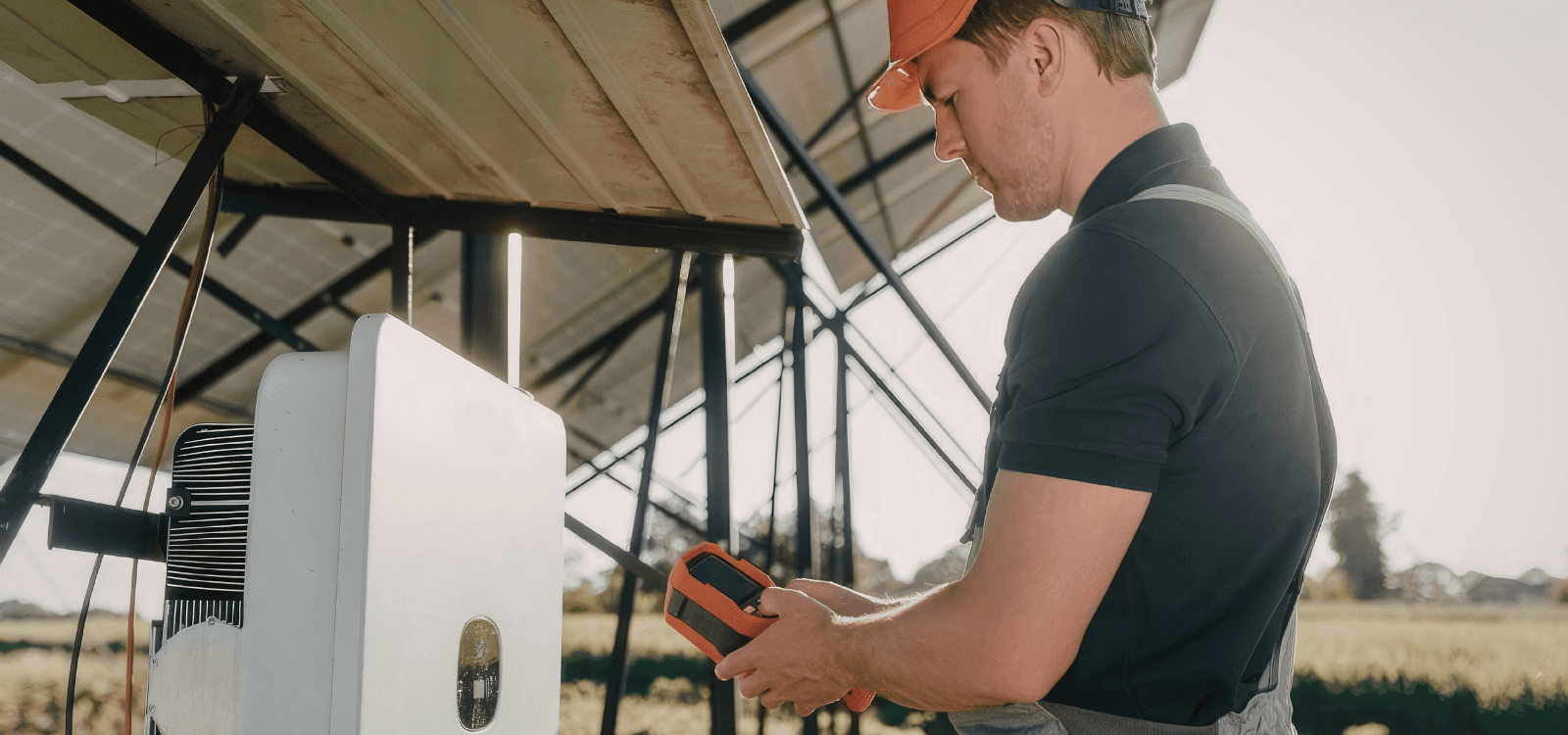
The next phase of solar growth is shifting from new capacity to improving performance. Small inefficiencies across existing systems are adding up, and better data is helping operators recover lost energy and value.
The Next Phase of Solar Isn’t More Capacity. It’s Better Performance
The solar industry spent the last decade building.
The next decade is about improving what’s already there.
Many operating systems are not performing exactly as expected. Not because they are broken, but because of small issues that go unnoticed.
Where Performance Gets Lost
Most losses don’t come from major failures. They come from small inefficiencies that don’t trigger alarms:
- ●DC current imbalances across strings
- ●Voltage mismatches from legacy wiring
- ●Incremental design differences across systems
Each issue is minor on its own.
But across a full portfolio, they add up to real energy and real revenue loss.
The Visibility Problem
Traditional monitoring has limits.
You can see if a system is online.
You can’t always see how well it’s performing.
That gap between expected output and actual production is where a lot of value sits today.
Most systems already collect the data needed to find it. The issue is how that data is used.
What’s Starting to Change
Operators are shifting toward more detailed performance analysis.
Not more data. Better use of existing data.
That includes:
- ●Phase-level diagnostics to detect imbalances early
- ●Comparing similar assets to spot abnormal performance
- ●Data that reflects actual system behavior, not just summaries
The goal is simple. Make faster and more accurate decisions in the field.
Why It’s Still Difficult
Most solar portfolios are not uniform.
They include different equipment, vendors, and system designs. Many were not built to work together.
That makes it harder to get a clean, consistent view of performance.
At the same time, solar systems no longer operate in isolation.
Storage, load behavior, grid conditions, and curtailment all affect output. What looks like underperformance may not be a fault at all.
Performance Is Now a Shared Responsibility
Performance is no longer owned by one team.
- ●Asset managers
- ●Engineers
- ●Field crews
All need access to the same data.
When they work in silos, decisions slow down.
When they work from the same view, issues get resolved faster.
The Value of Small Gains
Even small improvements matter.
A 1 to 2 percent increase in energy yield across a large portfolio can translate into significant financial value.
In one case, better data helped an operator identify patterns across sites and improve output by double-digit percentages.
What This Means Going Forward
The shift is clear.
Performance is no longer something you assume. It’s something you manage.
The next gains in solar will not come from building more capacity alone.
They will come from making existing systems work better.
Ready to Discuss Your Project?
Get your instant estimate or talk to our team about your legacy solar project.


