

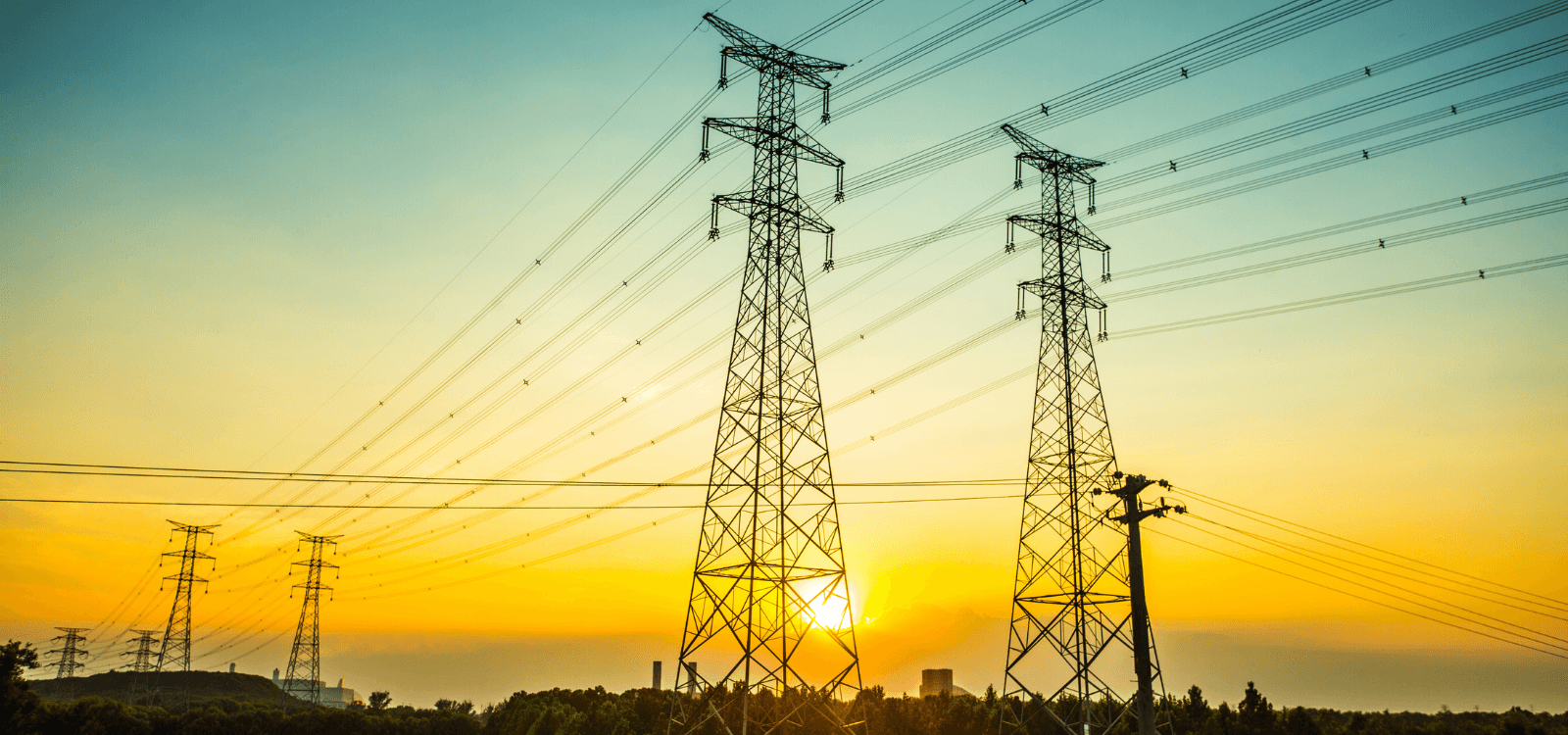
FERC approved SPP's topology optimization plan to cut grid congestion by rerouting power on existing lines. What it means for solar and wind owners.
Grid congestion costs the Southwest Power Pool (SPP) about $1.6 billion a year. On Aug. 19, 2026, the Federal Energy Regulatory Commission (FERC) approved a way to chip away at that cost without building a single new transmission line.
The tool is called topology optimization. It lets SPP reroute electricity around bottlenecks by changing how parts of the existing grid are connected, instead of only changing which power plants run.
For solar and wind owners in SPP's footprint, this matters. Congestion is one of the main reasons clean generation gets curtailed, and curtailed power is power nobody gets paid for.
What Is Topology Optimization?
Topology optimization means opening or closing circuit breakers to change how power flows across the transmission network, so electricity can move around a congested line instead of overloading it. It uses switching equipment the grid already has.
A transmission network is a web of connected lines, and power spreads across every available path in that web. Switch a breaker and you change the shape of the web, which changes how the flow divides. Done well, that takes pressure off the line that was about to hit its limit.
Topology optimization belongs to a broader family of grid-enhancing technologies that FERC has been paying closer attention to this year. The common thread is squeezing more capacity out of wires that are already in the ground.
Why Does Grid Congestion Happen?
Congestion happens when transmission lines cannot safely carry all the electricity trying to move through them. SPP runs the regional grid and wholesale market across all or parts of 17 states, from North Dakota to Texas, so there are a lot of places for that to happen.
The usual causes include:
- ●High power production. When a region is generating more than its lines can export, such as on a windy afternoon in the Plains, the path out fills up.
- ●Outages. When a line or power plant goes down unexpectedly, the remaining lines have to carry the difference.
- ●Maintenance. Planned work takes equipment out of service and temporarily shrinks the network.
- ●Weather. Heat and extreme conditions can lower how much a line can safely carry, right when demand is spiking.
- ●Equipment limits. Older transformers, breakers, and conductors set hard ceilings that don't move just because demand did.
How Do Grid Operators Handle Congestion Today?
The traditional fix is redispatch. The grid operator cuts back generation on one side of the bottleneck and runs more expensive local generation on the other side to make up the gap.
SPP told FERC that this approach drives up both production and congestion costs. Someone ends up paying for the pricier power, and that cost flows through to consumers.
Redispatch also hits renewables directly. When there isn't enough transmission to move wind and solar output to where it's needed, that output gets curtailed. According to a filing by Evergy, Enel North America, and EDF Power Solutions, SPP averaged 1,382 MW of curtailed wind and solar throughout 2025.
How Will SPP's Topology Optimization Plan Work?
SPP's plan was developed through its stakeholder process and filed with FERC in May. Here's how it's set up:
- ●Who can propose a change. Market participants can submit reconfiguration proposals when a power plant outage or grid constraint causes congestion. SPP can also propose reconfigurations itself.
- ●Market test. SPP analyzes each proposal to confirm the wholesale market as a whole benefits, not just one participant.
- ●Reliability test. SPP assesses how each reconfiguration affects grid reliability before approving it.
- ●What's actually new. SPP already uses topology reconfigurations to manage reliability problems. The change is using them for economic reasons, to cut congestion costs.
The plan drew support at FERC from Advanced Energy United, the Working for Advanced Transmission Technologies Coalition, and the joint Evergy, Enel, and EDF filing.
Does Topology Optimization Actually Save Money?
The early evidence says yes, though the savings are modest next to SPP's total congestion bill. Two data points stand out.
First, a study by NewGrid, SPP, and the Brattle Group tested the approach on 20 real grid conditions where important transmission lines were at or above their limits. In 15 of the 20 cases, researchers found a reconfiguration that would have removed the overload while keeping the system within safe operating limits. The study estimated congestion cost savings of $18 million to $44 million a year across SPP.
Second, SPP pointed to the Midcontinent Independent System Operator (MISO), which started using economic topology reconfiguration in 2024. MISO has saved about $95 million so far this year, according to a staff presentation to its Reliability Subcommittee. MISO is also pursuing a major transmission expansion, which shows the two approaches run side by side rather than competing.
Texas is next. The Electric Reliability Council of Texas (ERCOT) is set to implement its own topology optimization mechanism early next year, SPP noted.
Why Doesn't This Replace New Transmission Lines?
Rerouting only works when there's spare room somewhere else in the network. If every nearby path is already full, switching breakers just moves the problem.
Topology optimization will not replace the need for new transmission lines. But it gives SPP another way to use the grid it already has more efficiently while larger projects are planned and built.
That's still worth a lot. New transmission takes years to permit and build, and demand isn't waiting. In separate concurring statements, FERC Commissioners Judy Chang and David Rosner urged other grid operators to adopt topology optimization, including as a tool for managing power flows during extreme weather.
What Does Topology Optimization Mean for Solar and Wind Owners?
If you own generation in SPP, fewer congested hours should mean fewer curtailed hours. That's more of your output actually reaching the market instead of being turned down.
It also signals a wider shift in how the industry thinks. Grid operators are learning to get more out of existing assets before building new ones, and the same logic applies at the project level. As we've covered before, the next gains in solar are coming from better performance, not just more capacity.
For owners of older systems, the question isn't whether the grid can move your power. It's whether your system is still producing enough to be worth moving.
Start With What Your Existing System Is Worth
The grid is getting smarter about using what's already built. Owners should do the same. If you're not sure whether your system is still pulling its weight, checking its performance is the first step.
From there, you can decide whether to repair, repower, or sell. A good starting point is a quick look at what your solar project may be worth today.
Source: Utility Dive, "FERC approves SPP 'topology optimization' plan for cutting grid congestion"
Ready to Discuss Your Project?
Get your instant estimate or talk to our team about your legacy solar project.


