

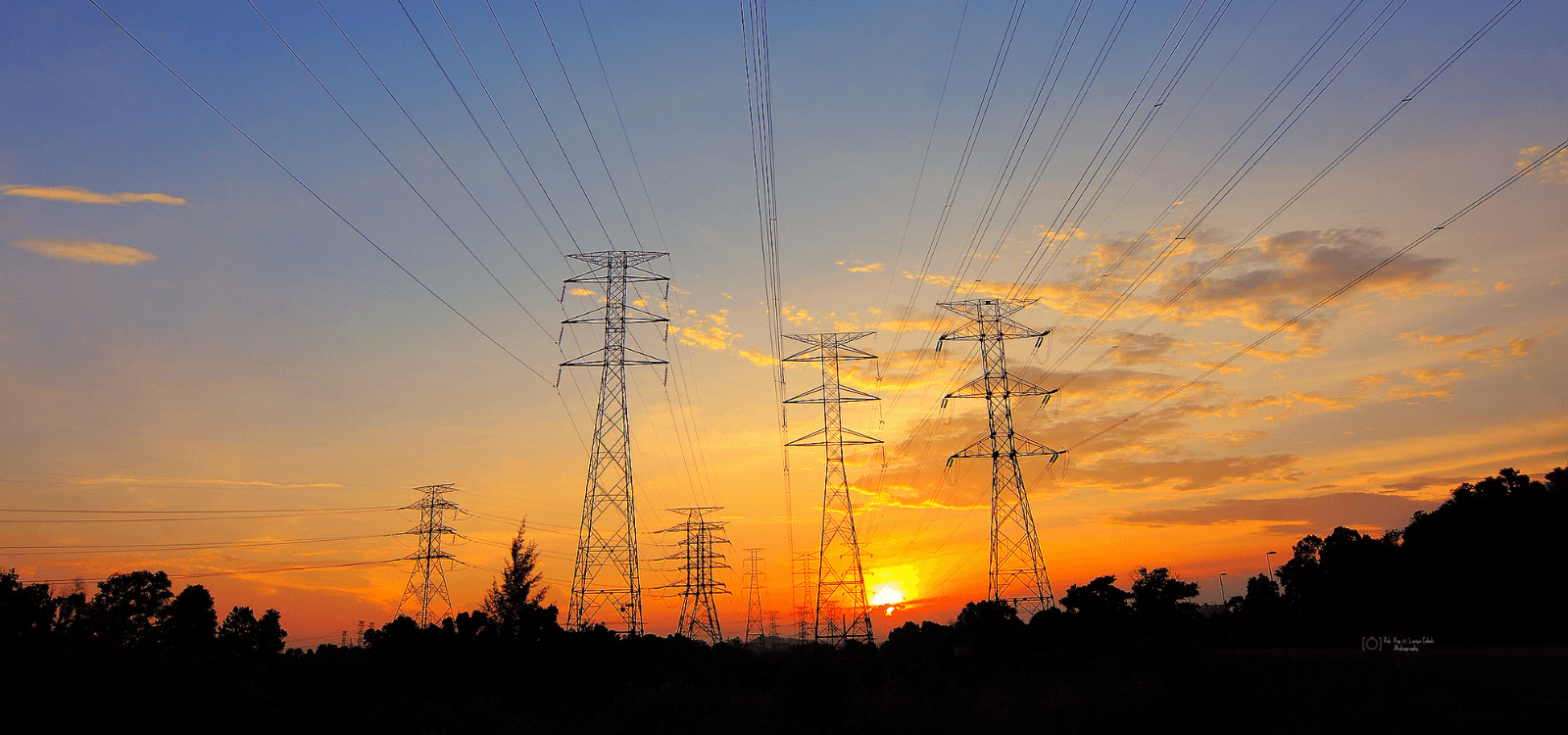
FERC formed a task force on grid-enhancing technologies and is weighing incentives for utilities that upgrade existing lines instead of building new.
Before FERC approves another transmission line, it wants one question answered first: can the grid we already have carry more power?
To help answer it, the Federal Energy Regulatory Commission has created a task force to examine grid-enhancing technologies, or GETs. FERC Chairman Laura V. Swett announced the initiative during a Senate Energy and Natural Resources Committee oversight hearing in July 2026.
For anyone who owns a solar asset — or is waiting to connect one — this is worth paying attention to. The bottleneck slowing new projects is rarely the panels. It is the wires between the project and the load.
What Are Grid-Enhancing Technologies?
Grid-enhancing technologies are hardware and software upgrades that let existing transmission lines carry more electricity, without building new lines. They work by replacing conservative assumptions with real-time data and better routing.
FERC's task force is looking at three main tools:
- ●Dynamic line ratings. These adjust a transmission line's capacity based on real-time weather conditions instead of conservative year-round assumptions. A line rated for the hottest, stillest day of the year can often carry more when it is cold and windy.
- ●Power flow controllers. These redirect electricity to underused transmission lines to reduce congestion, moving power off the constrained paths and onto the ones with headroom.
- ●Topology optimization software. This helps grid operators reroute electricity across the existing network to make better use of available transmission capacity.
None of these are experimental. They are commercially available today. The open question is not whether they work, but whether the people who plan and pay for the grid have any reason to use them.
Why Is FERC Looking at This Now?
Demand is rising faster than new transmission can be built. Data centers, electrification, and new generation are all pulling on a network that takes years — sometimes a decade — to expand.
The result shows up as cost. PJM alone has approved billions of dollars in new transmission projects to keep pace with demand, and utilities nationwide are spending heavily on grid upgrades that land on customer bills.
It also shows up as delay. Even where a project is approved, interconnection queues and hardware constraints like transformer and switchgear shortages push energization dates out by years. Squeezing more capacity out of lines that already exist is one of the few levers that moves on a shorter timeline.
Can FERC Require Utilities to Install GETs?
No. The Federal Power Act doesn't allow FERC to require utilities to install grid-enhancing technologies. That legal limit shapes everything else the Commission is considering.
What FERC can do is require transmission owners to evaluate GETs during planning — to check whether upgrading existing infrastructure would be a more cost-effective solution than building new transmission. That is a disclosure requirement, not a mandate.
Why Don't Utilities Already Choose the Cheaper Upgrade?
Simply requiring utilities to evaluate GETs doesn't guarantee they'll choose them. The reason sits in how utilities make money.
Utilities typically earn a return on major infrastructure investments. That means large transmission projects can sometimes generate greater financial returns than lower-cost grid upgrades, even when those upgrades could address the same transmission constraint.
The practical effect is that today's planning process doesn't always reward the lowest-cost solution. FERC has been scrutinizing the returns transmission owners earn in other proceedings, and this is the same underlying tension from a different angle: the rate structure rewards capital deployed, not problems solved.
What Are "Shared Savings" and How Would They Work?
Lawmakers at the hearing also discussed "shared savings" as one possible way to better align those incentives. Under that approach, utilities that choose lower-cost grid upgrades could keep part of the savings they create, while the rest would be returned to customers.
The goal is to reward utilities for delivering the most cost-effective solution, not simply the largest capital project. It is an attempt to make the cheap answer the profitable answer.
Nothing has been proposed formally. The task force is a study step, and any incentive change would have to move through FERC's existing transmission incentives framework.
Do Grid-Enhancing Technologies Replace New Transmission?
No — none of this replaces the need for new transmission. The United States will still need new power lines to meet growing electricity demand from data centers, electrification, and new generation.
But if existing transmission lines can safely carry more electricity first, grid-enhancing technologies could help reduce congestion, lower costs, and connect new generation to the grid more quickly while larger transmission expansions are still being planned and built.
Think of it as the difference between a bridge project and a traffic-signal retiming. One takes a decade. The other takes a season. You need both, but only one of them helps this year.
What Does This Mean for Solar Owners?
If you own or operate a solar asset, GETs sit upstream of two things you actually feel.
- ●Interconnection timing. Congestion is a common reason projects sit in queue. FERC has already approved expedited interconnection review for shovel-ready projects in PJM; freeing capacity on existing lines works on the same problem from the supply side.
- ●Curtailment and delivered value. A congested line means an operating project sometimes cannot deliver everything it produces. Relieving that congestion protects revenue on assets that are already built.
- ●Long-run cost pressure. Transmission spending flows into rates. Cheaper ways to solve the same constraint slow the bill increases that make on-site generation attractive in the first place.
The honest read: this is early. A task force is not a rule, and the Federal Power Act limit means FERC's strongest tool here is disclosure plus incentives, not a requirement. But the direction of travel matters, because it suggests the Commission is willing to treat "use what we have better" as a real planning option rather than a footnote.
Start With What You Already Own
Sometimes modernizing the grid isn't about building more infrastructure. It's about making better use of the infrastructure that's already there.
That logic applies at the asset level too. An aging solar system with a failed inverter, unclear ownership, or years of undermanaged production is capacity that already exists — already permitted, already interconnected, already sited. Getting it back to full output is usually faster and cheaper than starting over.
If you own a commercial solar system and aren't sure what it's producing or what it may be worth today, a ballpark estimate is a reasonable place to start.
Source: FERC eyes 'grid-enhancing technology' incentives: Chairman Swett, Utility Dive. Additional background from the Senate Energy and Natural Resources oversight hearing on FERC.
Ready to Discuss Your Project?
Get your instant estimate or talk to our team about your legacy solar project.


