

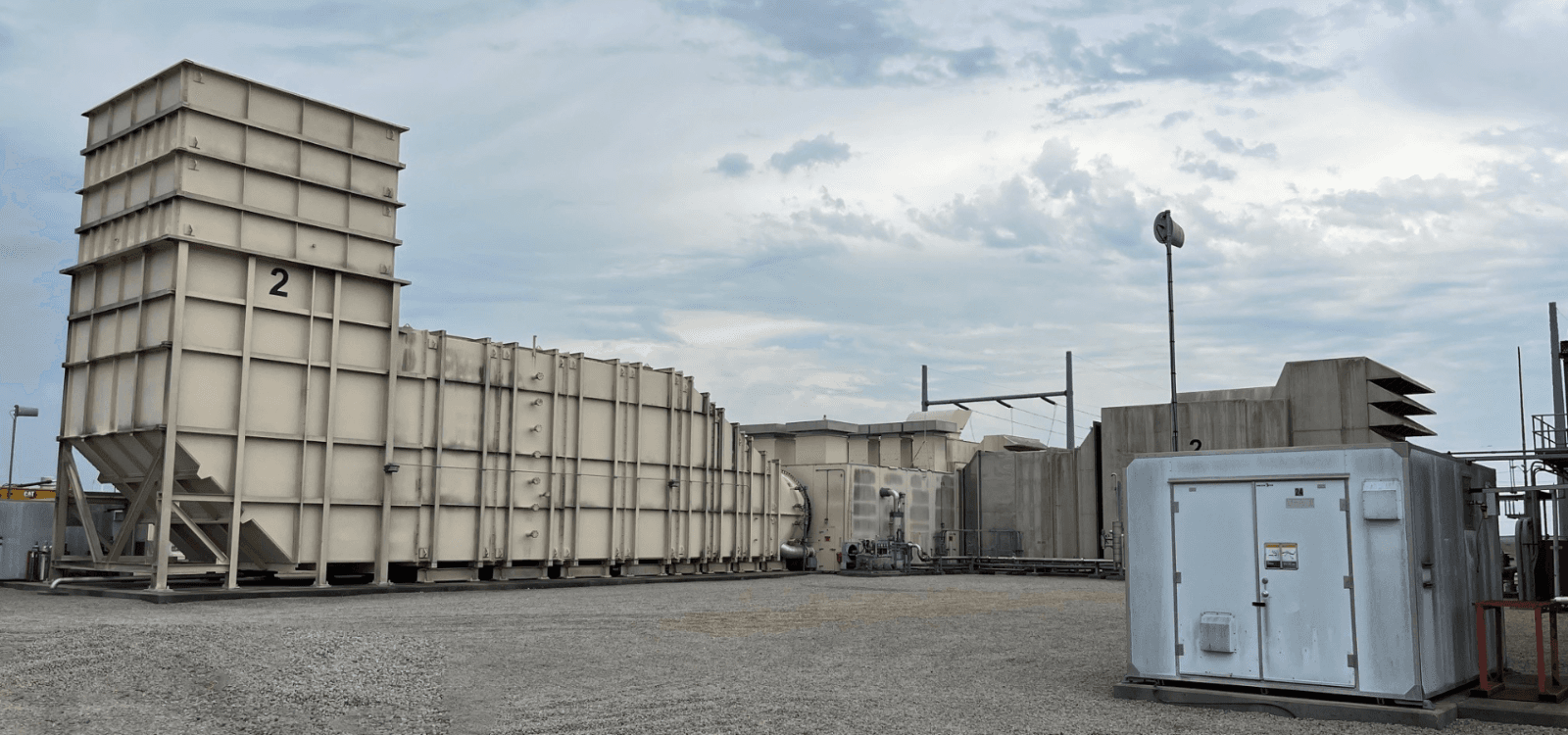
An Illinois solar project bypassed years of interconnection delays by sharing an existing gas plant's grid connection, demonstrating how surplus interconnection rights can accelerate new clean energy projects without building new transmission.
How an Illinois Solar Farm Skipped the Interconnection Queue
Connecting a new power plant to the electric grid has become one of the biggest challenges facing clean energy projects in the United States.
Many projects spend years waiting for interconnection studies, transmission upgrades, and regulatory approvals before they can begin delivering electricity.
One Illinois solar project took a different approach.
Instead of applying for a brand-new grid connection, Earthrise Energy's Archtop Solar Project used an existing one.
Using Existing Grid Infrastructure
The Archtop Solar Project, consisting of Gibson City Solar 1 and 2 in Ford County, Illinois, officially reached commercial operation on June 9, 2026.
Rather than entering the traditional interconnection queue, the project used the Midcontinent Independent System Operator (MISO) Surplus Interconnection Service process.
This process allows developers to connect new generation behind an existing interconnection point, provided the total electricity delivered to the grid never exceeds the original approved limit.
For qualifying projects, that can reduce the review process to roughly 180 to 270 days, compared with the much longer timelines often associated with new interconnection requests.
How the Project Works
Earthrise Energy owns both the Archtop Solar Project and the nearby Gibson City Energy Center, a natural gas peaker plant.
That gas plant already had interconnection rights for 237 MW.
Because peaker plants typically operate only during periods of exceptionally high electricity demand, much of that interconnection capacity sits unused for most of the year.
Sharing One Grid Connection
The solar project uses that available capacity.
Although the solar facility has a nameplate capacity of 270 MWac, sophisticated control systems ensure that the combined output of the solar farm and gas plant never exceeds the existing 237 MW interconnection limit.
During most sunny days, the gas plant remains offline while the solar farm exports electricity through the shared connection.
If solar production exceeds the interconnection limit, the system automatically curtails output to stay within the approved capacity.
When cloud cover suddenly reduces solar generation, the gas peaker can quickly start and help maintain power flowing through the same interconnection point.
Avoiding Years of Delay
Interconnection has become one of the largest bottlenecks for new energy projects.
Thousands of proposed generation facilities remain stuck in interconnection queues while developers wait for engineering studies and transmission upgrades.
By using MISO's Surplus Interconnection Service, Earthrise avoided much of that process by making use of infrastructure that already existed.
Instead of building an entirely new pathway to the grid, the project maximized capacity that was sitting idle for much of the year.
A Model for Future Projects?
Archtop is more than a single solar installation.
Earthrise is developing approximately 1.5 GW across five Illinois solar projects using the same surplus interconnection strategy.
Making Better Use of Existing Assets
As electricity demand continues to grow, expanding transmission infrastructure remains essential.
But new transmission lines often take many years to permit and construct.
Projects like Archtop demonstrate another approach: using existing grid infrastructure more efficiently while larger transmission investments are still underway.
By pairing new renewable generation with existing interconnection rights, developers may be able to bring projects online much sooner without waiting for entirely new grid connections.
Rethinking the Interconnection Challenge
The Archtop Solar Project highlights an important shift in how developers are approaching one of the industry's biggest obstacles.
Instead of viewing existing power plants solely as generation assets, they're also being viewed as valuable interconnection assets.
When existing connections have unused capacity, they can create opportunities for new renewable projects to reach the grid faster while staying within established operating limits.
As electricity demand rises and interconnection queues continue to grow, strategies like surplus interconnection may become an increasingly important tool for expanding generation using infrastructure that's already in place.
Ready to Discuss Your Project?
Get your instant estimate or talk to our team about your legacy solar project.


