

U.S. utilities spent $186.4B in 2024, mostly on the grid, and customers pay for it. How regulators are pushing back and what ratepayers should get.
U.S. investor-owned utilities spent $186.4 billion in 2024, and nearly 80% of it went into infrastructure, according to Edison Electric Institute data cited by Utility Dive. Much of that spending is aimed at meeting fast-growing demand from data centers, electric vehicles, and electrification.
The investment is necessary. But most of the cost lands on customer bills, and regulators are struggling to balance modernization with affordability.
Here is how utility grid spending reaches your bill, how some regulators are pushing back, and what customers should expect in return.
How Much Are Utilities Spending on the Grid?
U.S. investor-owned utilities spent $186.4 billion in 2024, with nearly 80% going to infrastructure, according to Edison Electric Institute data reported by Utility Dive. That's one of the highest spending levels in decades.
The spending is driven by a dramatic change in demand forecasts. According to Utility Dive, an April 2025 forecast projected 120 GW of load growth over five years. That's more than five times higher than the 23 GW forecast in 2023.
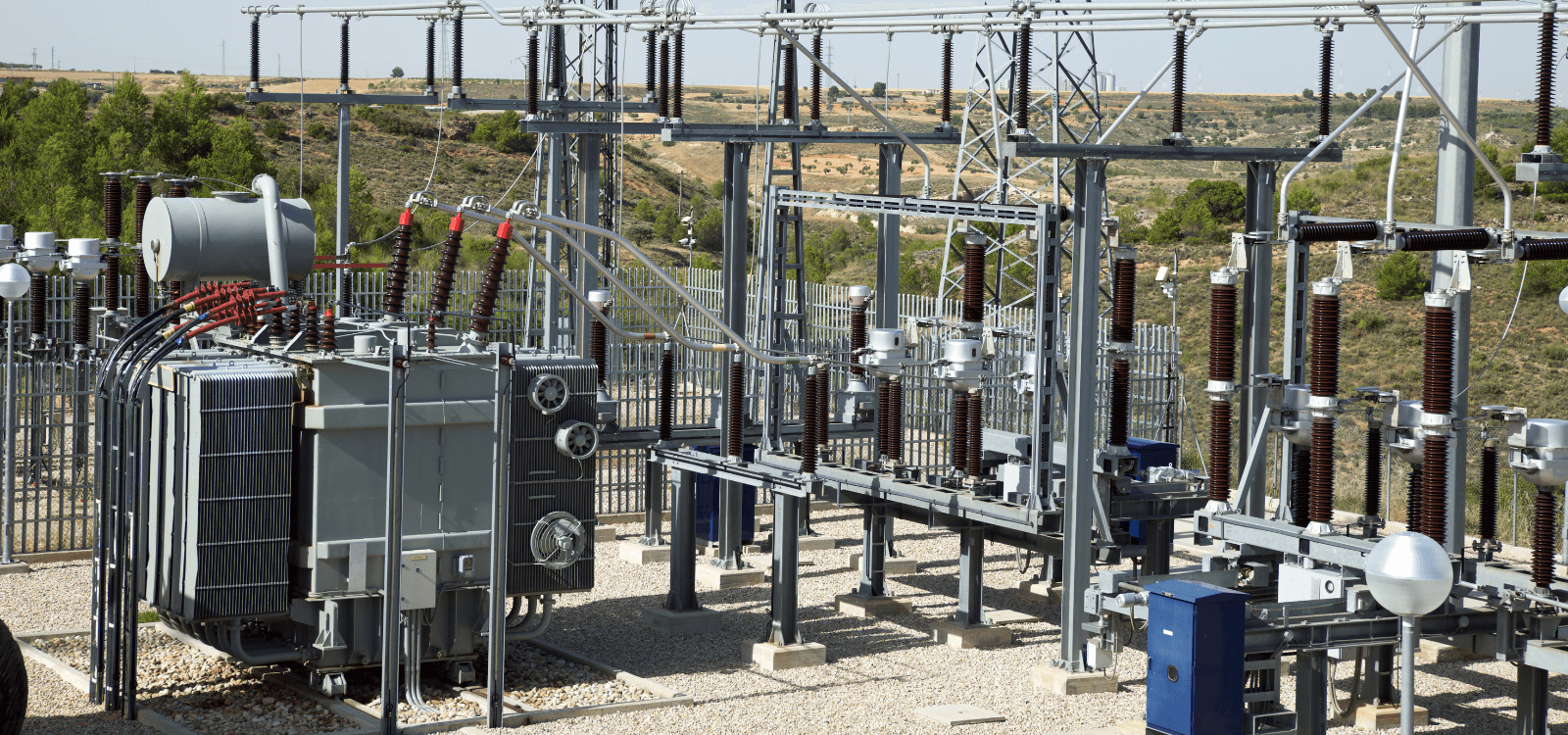
Utilities are building to meet that demand with new substations, transmission lines, distribution upgrades, and replacements for aging equipment.
How Does Utility Spending End Up on Your Bill?
Utilities recover the cost of approved grid investments through customer rates, and they earn a regulated return on that investment for shareholders. The more a utility invests in infrastructure, the more it can earn.
That structure creates a built-in incentive to spend. Regulators are supposed to act as a check, approving only investments that are prudent and serve customers.
The effect is already showing up. Utility Dive reported that electricity prices rose 4.5% nationally, nearly twice the 2.4% rate of overall inflation as of June 2025.
We've tracked this in rate cases across the country, from Con Edison's request tied to $21 billion in grid upgrades to double-digit increases sought in Maine and Arizona.
Why Is Grid Spending So Hard to Regulate?
Regulators have to decide whether utility investments are the best value for customers, but they often lack the tools, data, or time to compare them against cheaper alternatives.
The core questions regulators face:
- ●Modernizing or reacting? Is spending building a better grid, or just adding capacity the same old way?
- ●Long-term or short-term? Are investments planned for decades of growth, or patching today's needs?
- ●Who benefits? If demand is driven by data centers, what's the upside for everyday customers?
- ●What's the return? Faster outage response, cheaper power, cleaner energy, or all three?
The pace of change makes it harder. Rate cases can take a year or more, while demand forecasts are shifting every few months. Regulators are approving multi-year spending plans based on projections that may look very different by the time the work is finished.
Mark LeBel of the Regulatory Assistance Project told Utility Dive that regulators should push for "the most cost-effective investments from a realistic set of alternatives."
How Are Some States Holding Utilities Accountable?
Some states now require utilities to justify grid spending with clear business cases, budget caps, performance targets, and third-party audits. Rhode Island Commissioner Abigail Anthony told Utility Dive that regulators should approach modernization "like they are investors in a business."
Examples reported by Utility Dive:
- ●Rhode Island. A "business case" proceeding approved advanced metering with a $154 million hard budget cap and penalties if performance targets aren't met.
- ●Georgia. New rules require Georgia Power to sign 15-year contracts with large-load customers covering 100% of utility costs, with an estimated $2.64 a month in downward pressure on residential rates.
- ●Michigan. Regulators used DTE Electric's prioritization model and a third-party audit by Liberty Consulting to review spending.
Many other states still rely on older methods, with limited planning requirements, little customer input, and little transparency about how utility profits factor in.
If ratepayers are paying for the grid of the future, they should be able to see what they're getting.
What Should Customers Get in Return?
Customers paying for grid modernization should expect measurable improvements in reliability, affordability, and access to cleaner power. Without clear targets, spending risks becoming a sunk cost.
Reasonable expectations include:
- ●Fewer and shorter outages. Measurable reliability gains, not just new equipment.
- ●Lower long-run costs. Investments that reduce future spending, not add to it.
- ●Cleaner power. A grid that can connect more renewable and distributed resources.
- ●Transparency. Clear reporting on what was built and what it delivered.
Cheaper options exist in some cases. Grid-enhancing technologies can squeeze more capacity out of existing lines for a fraction of the cost of new ones.
What Does This Mean for Commercial Solar Owners?
Rising utility rates make on-site solar more valuable, because every kilowatt-hour a system produces offsets power that keeps getting more expensive.
For businesses, grid spending shows up in both energy and delivery charges. On-site solar can't avoid every charge, but it reduces how much power a facility buys from the grid.
That only works if the system is producing. Many commercial systems from the 2010s are losing output to aging inverters or degraded panels. Repowering an aging PV system can restore production and protect against future rate increases.
Start With a Ballpark Estimate
Grid spending isn't slowing down, and neither are rate increases. Find out what your existing solar project may be worth before deciding whether to repair, repower, or sell.
Source: Utility Dive, "The regulator's dilemma: balancing grid modernization with rising power bills"
Ready to Discuss Your Project?
Get your instant estimate or talk to our team about your legacy solar project.


