

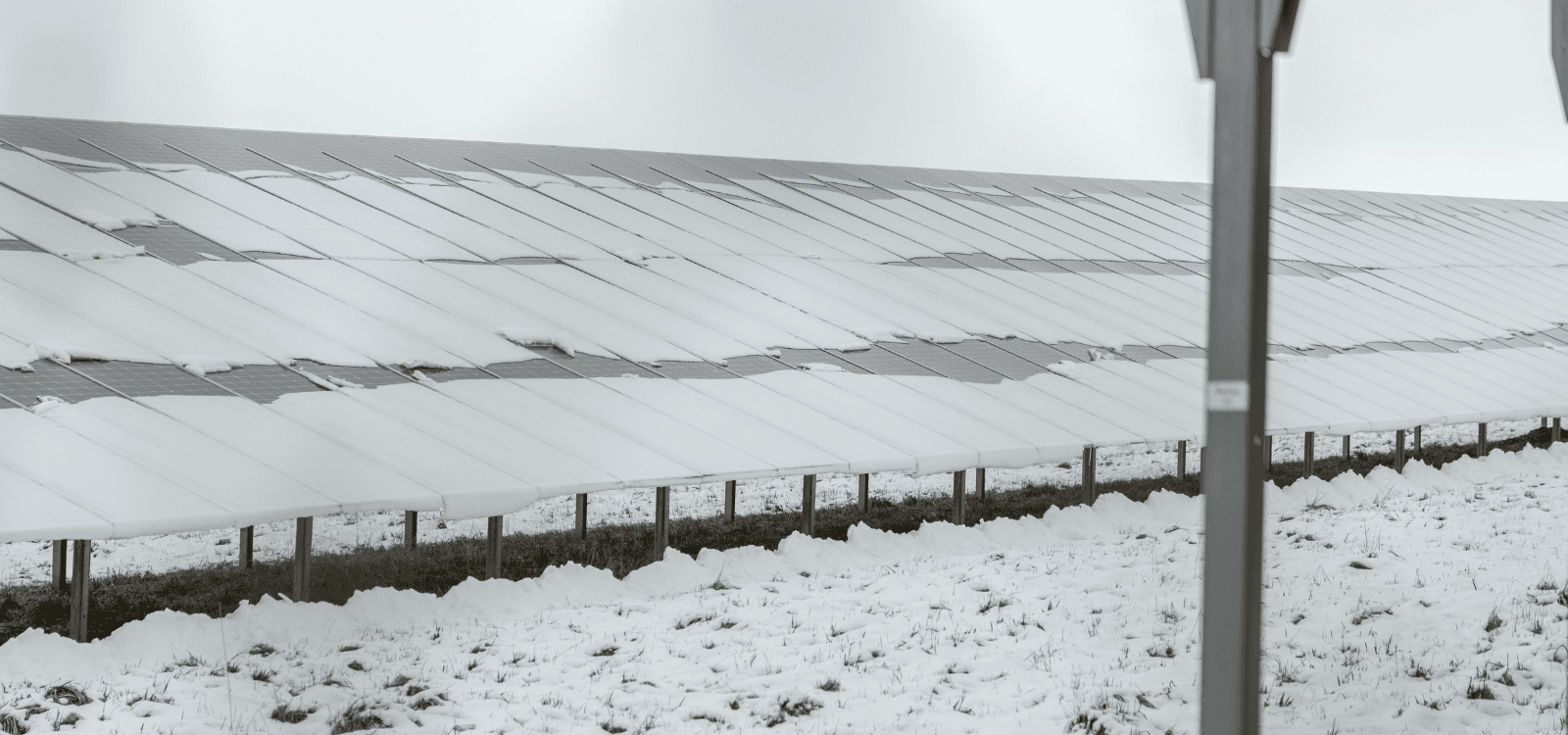
Solar is growing even above 60° North, with cold temperatures improving performance and slowing degradation. New designs like vertical bifacial arrays are unlocking output in snowy regions, though challenges around data and infrastructure remain.
Solar Works in the Arctic. And It’s Growing Faster Than Expected.
Solar was long considered impractical in the Arctic. New data shows that assumption does not hold.
A report from the IEA Photovoltaic Power Systems Programme finds that solar deployment above 60° North is not only viable, but expanding quickly. As of 2023, installed capacity in these regions has reached about 1.4 GW, with annual growth rates ranging from 46% to 145% in some areas.
Why Cold Conditions Help Solar
The main reason is simple. Cold temperatures improve performance.
Solar panels operate more efficiently when they run cooler. In Alaska, modules have been measured at around 15°C during the day, well below the 25°C standard test condition. Lower operating temperatures reduce thermal losses and slow long-term degradation.
Data across 16 systems in Alaska shows degradation rates of about 0.37% per year, compared to roughly 0.75% per year in warmer parts of the United States.
Snow Is Both a Challenge and an Advantage
Snow can block sunlight, but it can also increase output.
Bright, snow-covered ground reflects light back onto panels, which benefits bifacial modules designed to capture energy from both sides. This effect is strong enough that the report recommends bifacial systems for high-latitude projects.
New System Designs
These conditions are changing how solar is deployed. Instead of traditional south-facing tilted arrays, developers are increasingly using vertical, east-west bifacial systems. These designs shed snow more easily and generate more power during morning and evening hours.
At an agrivoltaic site in Sweden, a vertical system outperformed a conventional tilted array on 28 out of 31 days in December 2023. The vertical setup produced about 6.1 kWh per kW per month, compared to 1.32 kWh per kW from the tilted system.
Real Engineering Constraints
These projects also face unique risks.
Permafrost and frost heave can shift foundations and damage mounting structures. Some projects in Sweden and Alaska have already experienced structural issues when standard construction assumptions were used instead of solar-specific designs.
There is also a data challenge. Solar resource data above 60° North is limited. Satellite estimates are less reliable in these regions, and maintaining ground-based sensors is difficult. That increases uncertainty for project planning and financing.
A Different Kind of Solar Market
Solar in high-latitude regions is not just a colder version of traditional projects. It requires different designs, new engineering standards, and better data.
From Arctic Sweden to remote parts of Alaska, solar is starting to play a role in energy supply where it was once dismissed.
If solar works under these conditions, it raises a broader question. Where else might its potential be underestimated?
Ready to Discuss Your Project?
Get your instant estimate or talk to our team about your legacy solar project.


