

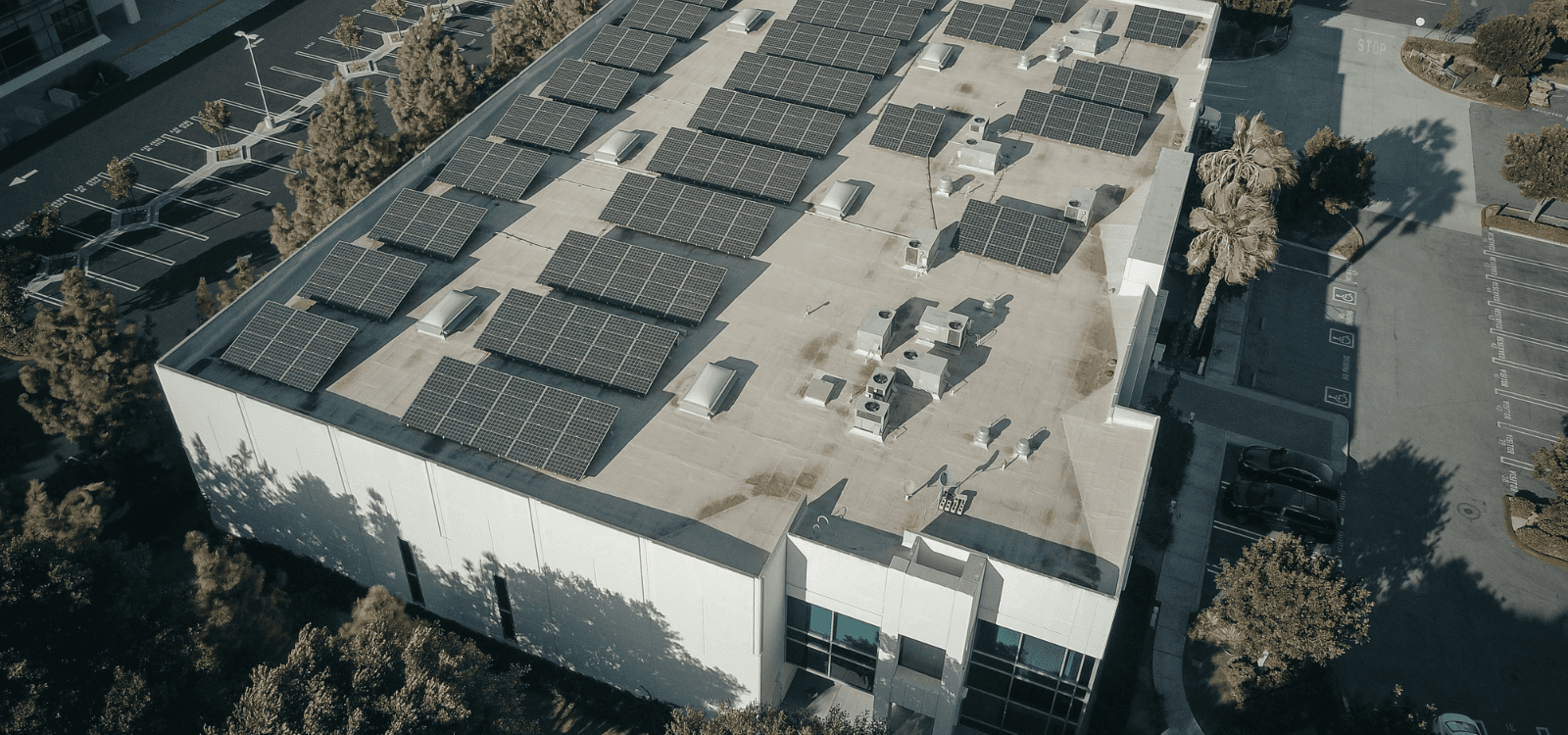
Boise is launching Idaho's first community solar pilot by using energy savings from a city-owned solar project to help low-income households, creating a workaround for a state that doesn't allow traditional community solar programs.
How Boise Is Bringing Community Solar to Idaho Without Changing State Law
Most states with community solar programs allow residents to subscribe to a shared solar project and receive credits on their electricity bills, even if they can't install solar panels on their own property.
Idaho doesn't have that option.
State law doesn't currently allow subscription-based community solar, leaving cities and independent developers without a legal framework to offer shared solar programs.
Instead of waiting for the law to change, the City of Boise has found a different approach.
A Different Kind of Community Solar Project
The Boise City Council has advanced its proposed FY2027 budget, which includes $50,000 for the city's first community solar pilot project.
If the budget is approved on August 25, solar panels donated by a local solar company will be installed on a city-owned building, helping reduce the project's upfront cost.
At first glance, the project resembles a traditional community solar installation.
Its structure, however, is quite different.
Why Boise Couldn't Use a Traditional Community Solar Model
In states with community solar legislation, residents typically subscribe to a shared solar array and receive credits on their monthly electricity bills based on their share of the project's output.
Idaho's regulations don't currently allow that model.
Because electric utilities control customer billing and bill credits, cities cannot simply develop a shared solar project and distribute savings directly to residents through their utility bills.
Working Within Existing Rules
Rather than using subscriptions, Boise's pilot project will generate electricity for the municipal building where the system is installed.
The reduced electricity costs are expected to create ongoing savings for the city over the life of the project.
Instead of providing utility bill credits to participants, Boise plans to donate approximately $5,000 each year from those savings to the El-Ada Community Action Partnership, a nonprofit that helps low-income households pay their energy bills.
The result is a project that delivers community benefits without relying on a subscription model that state law does not currently permit.
Why Timing Matters
The project also benefits from an important federal incentive.
If the system is placed into service before the end of 2027, Boise can qualify for the federal Direct Pay program.
Taking Advantage of the Investment Tax Credit
Direct Pay allows eligible local governments and other tax-exempt entities to receive the value of the 30% Investment Tax Credit (ITC) as a direct cash payment from the federal government, even though they do not pay federal income taxes.
That incentive can significantly reduce the overall cost of developing public-sector solar projects.
After 2027, many new wind and solar projects will no longer qualify for these federal incentives under the One Big Beautiful Bill Act, making future projects more expensive to develop.
A Pilot That Could Influence Other Communities
The Idaho Sierra Club, which spent more than two years advocating for the project, views the Boise pilot as more than a single installation.
The organization is already working with the City of Moscow, Idaho, on a similar project with the hope of expanding access to solar benefits while building support for broader community solar policies across the state.
Whether those efforts eventually lead to statewide legislative changes remains to be seen.
Innovation Doesn't Always Mean New Technology
Boise's pilot doesn't introduce a new type of solar panel or a different way of generating electricity.
Instead, it demonstrates how communities can adapt existing technology to fit current regulations.
By designing a model that works within Idaho's legal framework, the city has found a practical way to lower public energy costs, support residents in need, and expand access to the benefits of solar without waiting for state law to catch up.
Ready to Discuss Your Project?
Get your instant estimate or talk to our team about your legacy solar project.


