

Albuquerque is adding 6 MW of city solar with no upfront cost. How municipal solar financing works and what owners should ask before signing.
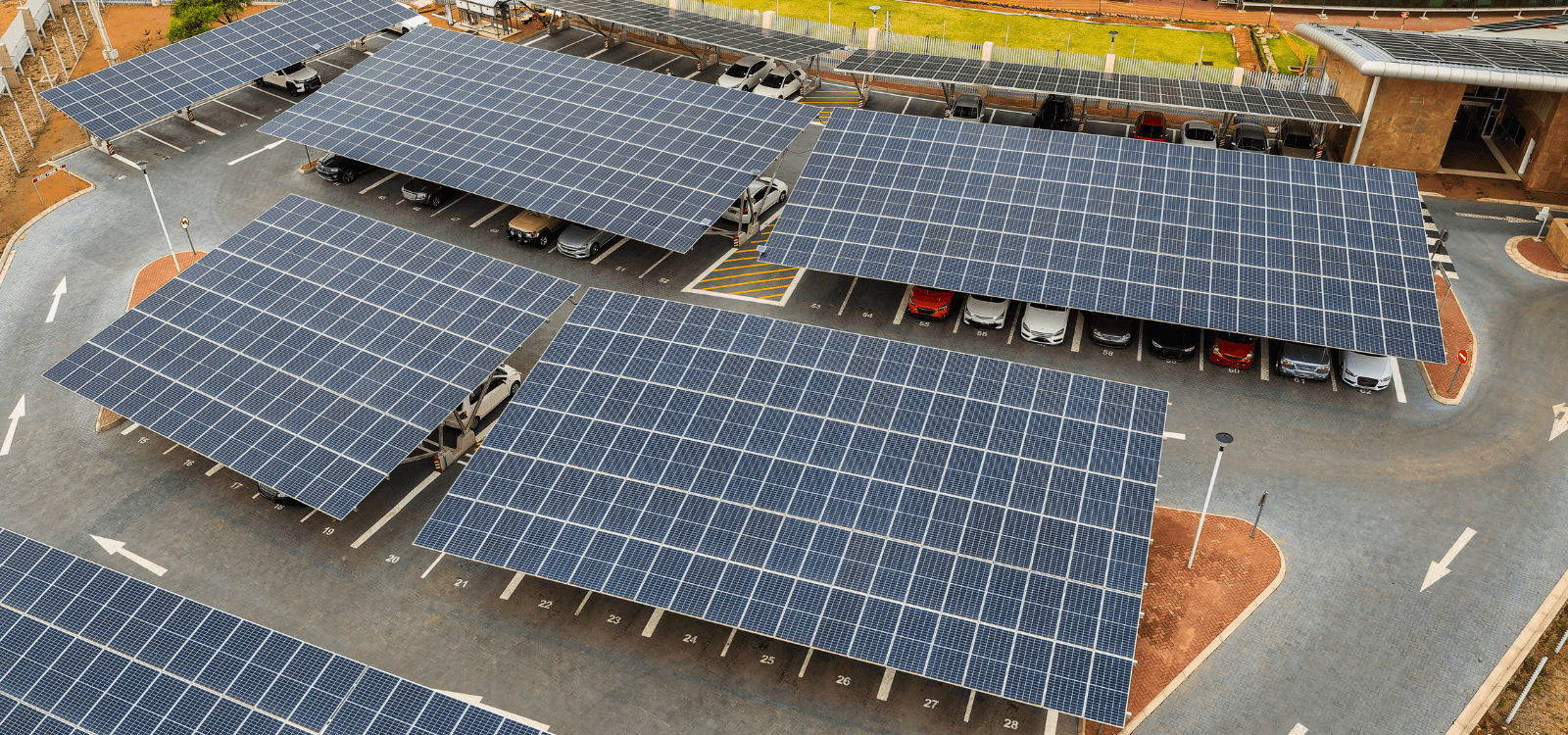
Albuquerque is adding about 6 MW of solar at city facilities through a municipal solar financing model that requires no upfront purchase: a private partner covers the capital, and the city pays only for the electricity each site produces.
The city says its municipal operations need about 40 MW of electric power, so the last stretch to 100% renewable energy is less about whether solar can supply it and more about how the remaining capacity gets paid for, according to Solar Power World.
Here is how city solar with no upfront cost works in this case, how it compares with what other cities are doing, and what any commercial solar owner should ask before signing a financed deal.
How Close Is Albuquerque to 100% Renewable Power?
By the city's own numbers, Albuquerque is within a few megawatts of covering its municipal electricity use with renewables. About 25 MW comes through the Public Service Company of New Mexico (PNM) Solar Direct program, and roughly 8 MW comes from solar systems the city already owns on municipal buildings.
The new projects add approximately 6 MW across eight city facilities. Added up, that is about 39 MW against roughly 40 MW of need, which is why the city says it is on track to source 100% of municipal electricity from renewable energy.
The last few megawatts are often the hardest part of a 100% goal. Albuquerque's approach suggests that finishing may take a mix of utility-scale solar, rooftop projects, batteries, and new financing models rather than one single solution.
What Is PNM Solar Direct, and How Is It Different From the New Projects?
PNM Solar Direct lets large customers subscribe to electricity from a solar facility at a set price, without building the project themselves. Albuquerque's 25 MW comes from part of a separate 50 MW solar facility on Jicarilla Apache Nation land in northern New Mexico.
That is a subscription: the city buys a share of the output and owns no hardware. The new 6 MW works differently. It sits on the city's own buildings and is paid for with a third party's capital.
How Does City Solar With No Upfront Cost Work in Albuquerque?
Sustainability Partners is providing the upfront capital for the eight systems, and Albuquerque pays as each site produces electricity. Based on the reporting, the structure looks like this:
- ●Capital. Sustainability Partners funds the systems, so the city does not buy them upfront.
- ●Installation and upkeep. The company supports installation and long-term maintenance.
- ●Payment. It bills the city like a utility provider, with payments based on how much electricity each solar site produces.
- ●Budget. Payments come from city budgets already used to pay electric bills.
- ●Rates. The city says the rates under the agreement are expected to be lower than its current electricity rates.
That is the core of municipal solar financing here. The city shifts the capital and the maintenance burden to a private partner and uses its existing electricity budget as the funding source. The details we have do not include the contract length, the rate itself, or who owns the systems when the agreement ends. More background is on the Sustainability Partners project page.
Which City Facilities Are Getting Solar, and When?
Construction has started at two of the eight sites, the Eastside Animal Shelter and Highland Pool, and the rollout continues through 2027. The remaining six are planned at:
- ●West Mesa Aquatic Center
- ●Duke City BMX Park
- ●Isotopes Park
- ●Ken Sanchez Transit Facility
- ●The 911 Call Center
- ●Albuquerque International Sunport
The Sunport project will also include battery storage and 10 EV chargers to support critical electrical needs at the airport.
Did Albuquerque Meet Its 2025 Renewable Energy Goal?
No. The city originally set a 2025 goal for 100% renewable energy in municipal operations, and that deadline passed before the goal was completed. The city has not announced a new completion date, though it says these projects put it on track.
The delay is a reminder that the final stretch can be the slowest, and that how a project is financed can decide whether it moves at all.
How Do Other Cities Pay for Solar?
Cities are using very different structures to get solar built, and Albuquerque's third-party model sits at one end of the range. Two other examples we have covered:
- ●Boise, Idaho. Boise's proposed pilot puts donated panels on a city-owned building and directs part of the savings to help low-income households. It could qualify for the federal Direct Pay program if the system is placed in service before the end of 2027.
- ●Ann Arbor, Michigan. The city-owned Ann Arbor model has the city's sustainable energy utility buying and installing solar-plus-storage on homes directly, with no leases and no third-party ownership.
The trade-off is who owns and funds the system. Albuquerque hands the capital and the upkeep to a partner and pays by output. Ann Arbor owns the systems itself.
What Should Owners Ask Before Signing a Financed Solar Agreement?
Whoever pays for a solar system upfront, the paperwork around it will outlast the people who signed it, so the questions that matter are about the end of the contract, not the start. That applies to a city, a school, or a commercial property owner. Before signing, get written answers to these:
- ●Who owns the system at the end of the term? A purchase option, a transfer, or removal. It should be spelled out.
- ●What happens if the provider is sold or shuts down? Maintenance and payment obligations only follow the contract if it assigns cleanly.
- ●Can the agreement be assigned if you sell the building? Look for consent, notice, and change-of-control language.
- ●Who pays for removal at end of life? If the contract is silent, the cost tends to land on whoever owns the property.
- ●Who holds the production data? When you pay by output, you need ongoing access to the numbers behind the bill.
Third-party financing was the dominant model for commercial solar in the 2010s, and many of those owners are now stuck on a basic question: who is responsible for the system? We see the pattern in unclear ownership after installers and lenders exit, and in the search for original contract terms that nobody kept.
None of this is a knock on Albuquerque's deal. The details published so far are not enough to judge it. It is a checklist for the next one.
Start With a Ballpark Estimate
If you own a commercial solar system that was financed years ago and you are not sure where it stands, start with numbers. Find out what your project may be worth today.
Ready to Discuss Your Project?
Get your instant estimate or talk to our team about your legacy solar project.


