

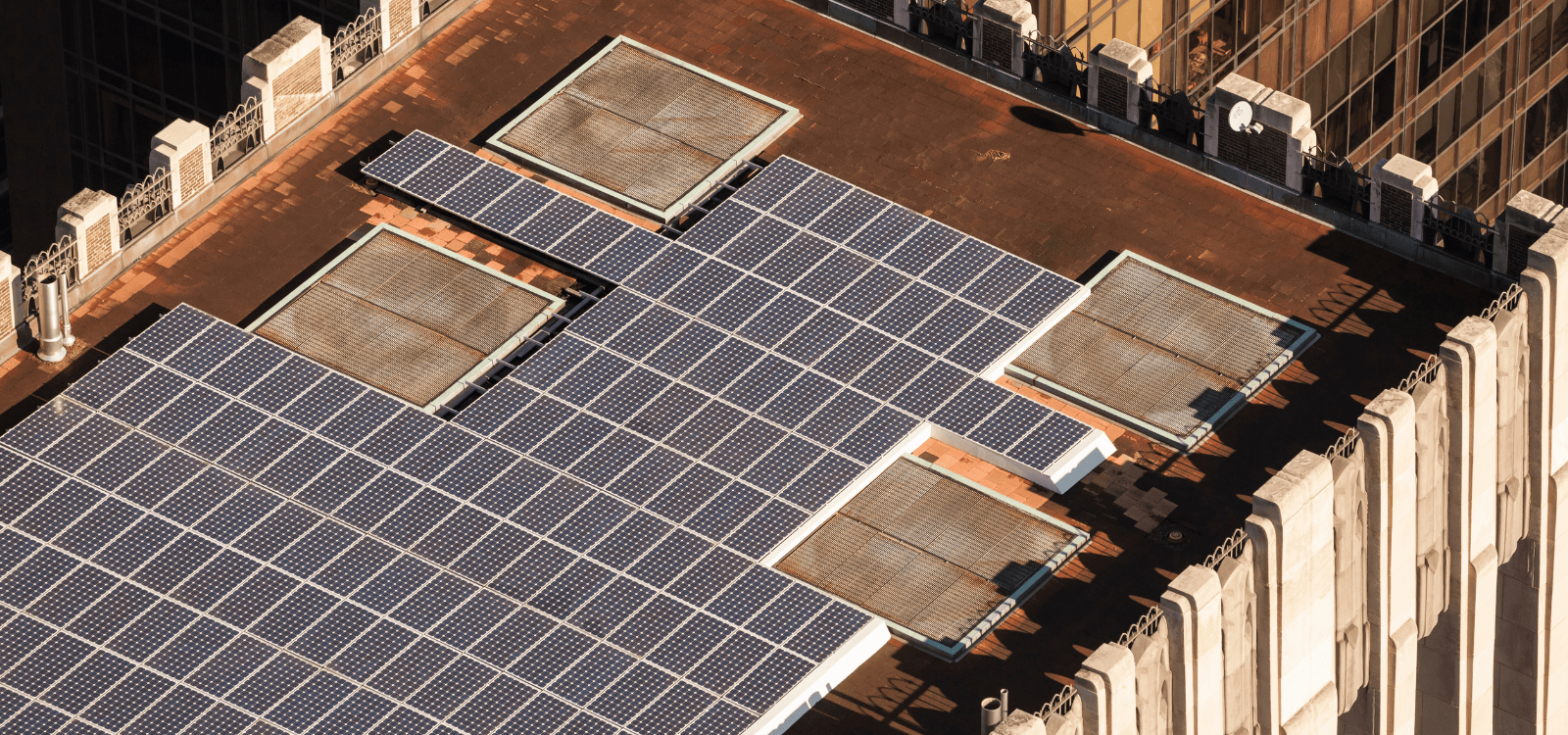
A rooftop solar system with no clear owner can hold up a sale, refinance, or foreclosure — until someone actually buys the system.
A rooftop solar system with no clear owner can hold up a sale, refinance, or foreclosure — until someone actually buys the system.
A building sale is fully negotiated. A refinance is nearly signed. A foreclosure has cleared every other hurdle. Then the deal stalls on one line item nobody wants to own: the rooftop solar system.
It isn't big enough to kill the transaction outright. It's just sitting there, unresolved, because sorting it out isn't clearly anyone's job. The buyer's side doesn't want to inherit it. The seller's side doesn't want to deal with it either — solar isn't their business, real estate is. So it becomes the one open item everyone quietly hopes someone else will solve.
In most cases, selling the system to a buyer resolves the holdup faster than removing it, and adds value to the closing instead of costing money.
Why Does a Small Rooftop System Stall a Big Real Estate Deal?
Deal teams are built to close on the core asset — the building, the debt, the title. A rooftop solar system is a different kind of asset entirely: it has its own equipment condition, its own interconnection agreement, sometimes its own lease or power purchase agreement layered on top of the real estate.
None of that fits neatly into a standard purchase agreement. So it sits as an open item, revisited at every call, resolved by nobody, until it's the only thing left standing between the parties and a signature.
What Happens When Nobody Owns the Solar System?
Legacy commercial systems often outlive the entity that installed them. The original installer may be out of business. The financing may have changed hands. The property may have traded once or twice since the panels went up. Many commercial property owners inherit a system with unclear ownership after installers, lenders, or developers exit, leaving them unsure who's responsible for maintenance, warranties, or liability.
That uncertainty is exactly what a diligence team flags — and exactly what stalls a closing. Nobody wants to sign off on a system they can't confirm the ownership, condition, or liability of.
How Much Does It Cost to Remove a Commercial Solar System?
Once a system becomes a problem, the default assumption is usually to remove it. That sounds simple until the actual scope gets priced out.
- ●Disconnection. The system has to be safely de-energized and disconnected from the building's electrical infrastructure before anyone touches it.
- ●Removal. Panels, racking, and mounting hardware all have to come off the roof — not just get unbolted, but hauled down and off site.
- ●Disposal. Materials need a legitimate disposal or recycling path, not a dumpster, which adds cost and time.
- ●Roof work. Removing a system often exposes roof penetrations and membrane that need repair once the hardware is gone.
Every step adds time and cost to a transaction where both are already tight.
What Are an Owner's Options for Legacy Rooftop Solar?
Most people assume there are only two paths: leave the system and hope the new owner doesn't mind, or remove it. There's a third option that usually works better than either.
- ●Leave it as-is. Cheapest short term, but it pushes an unresolved liability onto the new owner — and buyers' diligence teams are increasingly trained to catch that and flag it.
- ●Remove it. Clears the liability but adds real cost and delay right when the deal needs to move fastest.
- ●Sell the system. A buyer takes ownership of the solar asset directly, removing the liability from the closing table entirely — without the removal cost or the timeline hit.
How Does Selling the System Change the Deal Economics?
When a buyer purchases the solar system outright, the building owner typically signs a site lease and collects rent for the roof space. Tenants keep benefiting from the on-site power, often at a lower energy cost than grid rates. Both the lease income and the energy savings are new, real cash flows attached to the building.
Put a cap rate on that income stream and the property is worth more at closing than it was before the solar became a talking point — the opposite of what most deal teams expect walking in. It's the same shift already playing out across the broader market: many commercial systems stop quietly costing money every month once ownership and performance are actually sorted out.
Get a Real Number Before Your Closing Date
If a rooftop solar system is the one open item standing between a deal and its closing date, the fastest path forward is finding out what the system is actually worth before the next call with the other side. That number — not another round of "let's circle back on the solar" — is usually what gets the deal moving again.
To get a real estimate, four details are enough to start: zip code, project type, system size, and the year the system went live.
Ready to Discuss Your Project?
Get your instant estimate or talk to our team about your legacy solar project.


