

Commercial solar asset management breaks down when one system sits in a big portfolio. Where PPA, SREC, and utility credit revenue goes missing.
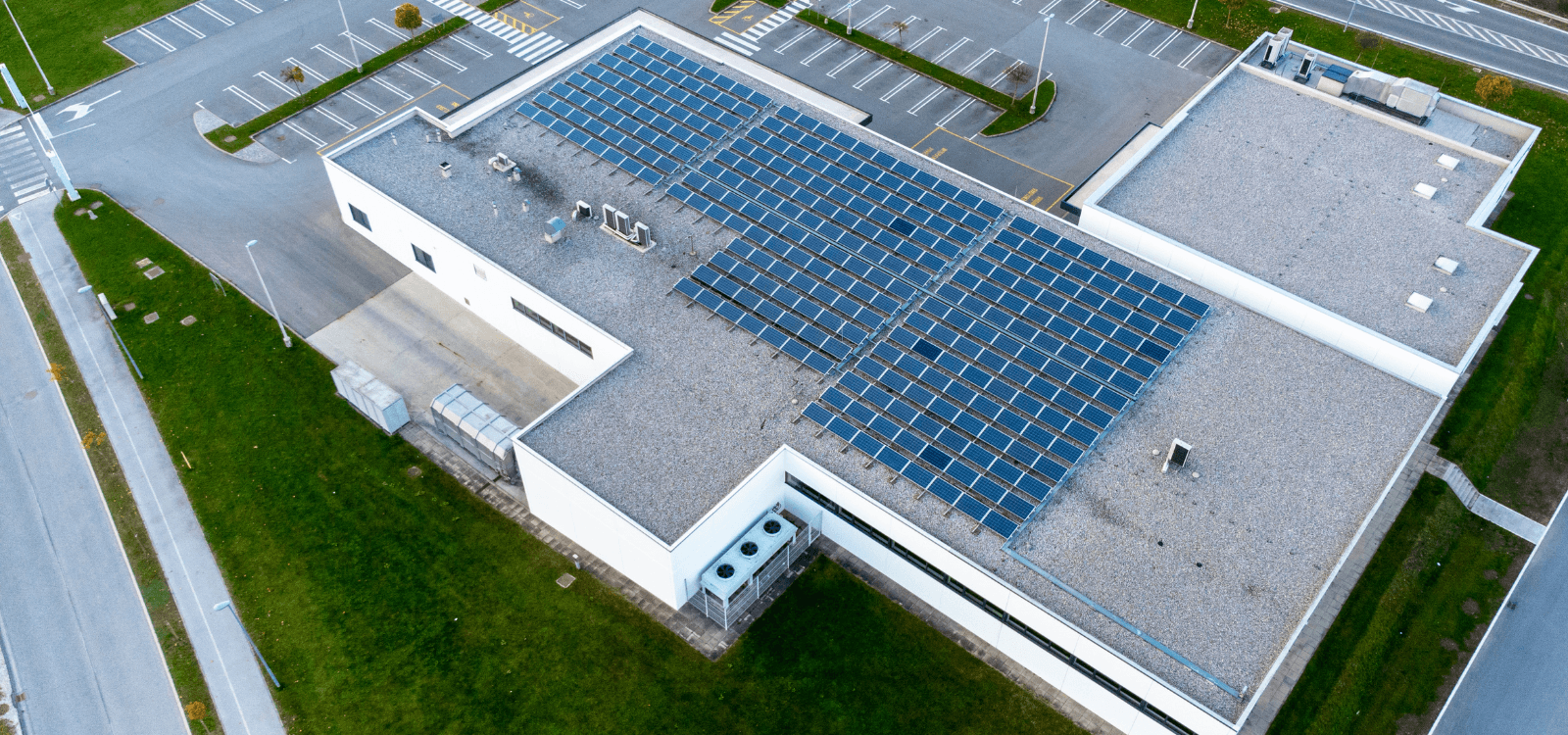
You own the building. Somewhere on the roof, or in a field beside it, sits a solar array that came with the deal or got installed during a sustainability push two owners ago. It still produces power, and it still generates revenue.
The question is whether anyone is actually collecting it. For a fund or an operator running a real estate business, one or two systems don't justify a commercial solar asset management function — but somebody still has to invoice PPA payments, sell certificates, and reconcile utility credits.
That work doesn't disappear because the asset is small. It just stops getting done.
Why Does Commercial Solar Asset Management Break Down Inside a Real Estate Portfolio?
A single solar asset inside a large portfolio usually goes uncollected because nobody on the team actually owns it — the work is too specialized for a property manager and too small to justify a dedicated hire.
Solar revenue is not passive income. It depends on someone sending invoices on a schedule, registering and selling certificates in a state market, and checking that utility credits landed where they were supposed to.
A ten-project portfolio makes that a job. A one-project portfolio makes it an orphan task that gets assigned to whoever is standing closest, which is usually a property manager with no reason to know what a solar renewable energy certificate is.
Which Solar Revenue Streams Actually Go Uncollected?
The money leaks in specific, predictable places. Each one has its own paperwork, its own counterparty, and its own deadline:
- ●PPA or lease payments. If the system sells power to a tenant or an offtaker under a power purchase agreement, someone has to read the production meter, generate an invoice, and chase it when it goes unpaid. Late or missing invoices are the most common gap, and the easiest to fix.
- ●Renewable energy certificates. Systems in SREC states earn a certificate for every megawatt-hour produced, and those certificates have to be registered, tracked, and sold into a market. Unregistered systems and unsold certificates are pure lost revenue, and in some markets certificates expire.
- ●Net metering and utility bill credits. Exported power shows up as credits on a utility account, sometimes not the same account that pays the bill. If nobody reconciles the two, the credits sit there unnoticed or get applied to the wrong meter.
- ●Performance-based incentives. Some state and utility programs pay on reported output, which means missed production reporting means missed payments — no reporting, no check.
- ●Warranty and insurance claims. Equipment failures that are covered by warranty only get covered if someone files within the window. Miss it, and a covered repair turns into a capital expense.
Who Ends Up Responsible for the System?
In practice, responsibility for a one-off solar asset drifts. The property manager handles the building and treats the array as roof equipment. The asset manager reviews the property once or twice a year and sees a line item that looks small enough to leave alone. Accounting books whatever revenue arrives and has no way to know what should have arrived.
None of these people are doing their jobs badly. The system simply falls outside all three of their job descriptions, which is exactly how a working asset ends up with nobody clearly responsible for it.
The problem compounds when the original parties are gone. Installers get acquired, developers wind down, and lenders sell their portfolios, which is why owners often can't answer basic questions about their own contracts. If the paperwork trail has gone cold, there are still ways to reconstruct the contract terms and find out what you actually signed.
How Do You Know If You're Leaving Money on the Table?
You don't need a full audit to get a first read. A handful of questions will tell you whether the asset is being managed or just being owned:
- ●Can you name the offtaker? If there's a PPA, someone is buying the power. If nobody in your organization can say who, nobody is chasing the invoice either.
- ●When did the last certificate sale settle? No recent sale, or no registration at all, usually means an unopened revenue stream rather than a market with no demand.
- ●Does anyone have monitoring access? Login credentials tend to leave with the installer. Without production data, you can't tell a healthy system from a half-dead one — and underperformance is invisible until someone looks.
- ●Do the utility credits reconcile? Pull twelve months of bills for the meter the system feeds and check whether the credits match the production the system should have delivered.
- ●Who filed the last warranty claim? If the answer is "no one, ever," on a system past its fifth year, that's worth a second look.
An asset that produces power and no paperwork produces power and no revenue.
Is the Revenue Gap Fixable, or Is It Structural?
This is the distinction that determines what you do next. Some gaps are administrative and close in a quarter. Others are built into the asset itself and won't close at all.
- ●Fixable. Unsent invoices, an unregistered certificate account, unreconciled utility credits, lapsed monitoring access, missed incentive reporting. These are process failures. They cost time to unwind, but the underlying asset is fine and the revenue comes back.
- ●Structural. An offtaker that no longer exists or can't pay, a contract that priced power below current market, equipment far enough into degradation that output won't support the economics, or an inverter approaching end of life with a replacement quote that swallows years of revenue. Fixing the paperwork here doesn't change the outcome.
Sorting your situation into one of those two buckets is the whole exercise. A fixable gap is worth the internal effort. A structural one is a decision about whether you should still own the asset.
Should You Keep the System, Outsource It, or Sell It?
There are three honest paths, and the right one depends on how many projects you have and how far the gap runs:
- ●Keep and fix it internally. Works when the gap is administrative and someone on your team has the bandwidth to learn the market rules. Realistically, this holds up when solar is a growing part of the portfolio, not a stranded one.
- ●Outsource to a third-party asset manager. Buys expertise without a hire, but management fees on a single small project can consume much of the revenue being recovered. Run the math before signing.
- ●Sell the asset. Converts an unmanaged system into cash and removes the operational obligation entirely. This is often the cleanest answer for a one-off project, and it clears a liability before it becomes urgent — unresolved solar ownership is a known way to stall a sale, refinance, or closing when the property itself transacts.
Start With a Number, Not a Decision
You can't choose between those paths without knowing what the asset is worth. That number is also the fastest way to find out whether the revenue gap is fixable or structural, because a valuation forces the contracts, the production data, and the equipment condition into the same view.
We buy existing commercial solar projects exactly like this: a one-off asset sitting inside a bigger portfolio, generating real revenue that isn't being collected the way it should be. We'll tell you straight what it's worth, whether the gap is fixable or structural, and take the whole thing off your plate if that's the better move.
Four questions get you a ballpark range in about a minute: zip code, project type, system size, and the year it went live.
Ready to Discuss Your Project?
Get your instant estimate or talk to our team about your legacy solar project.


