

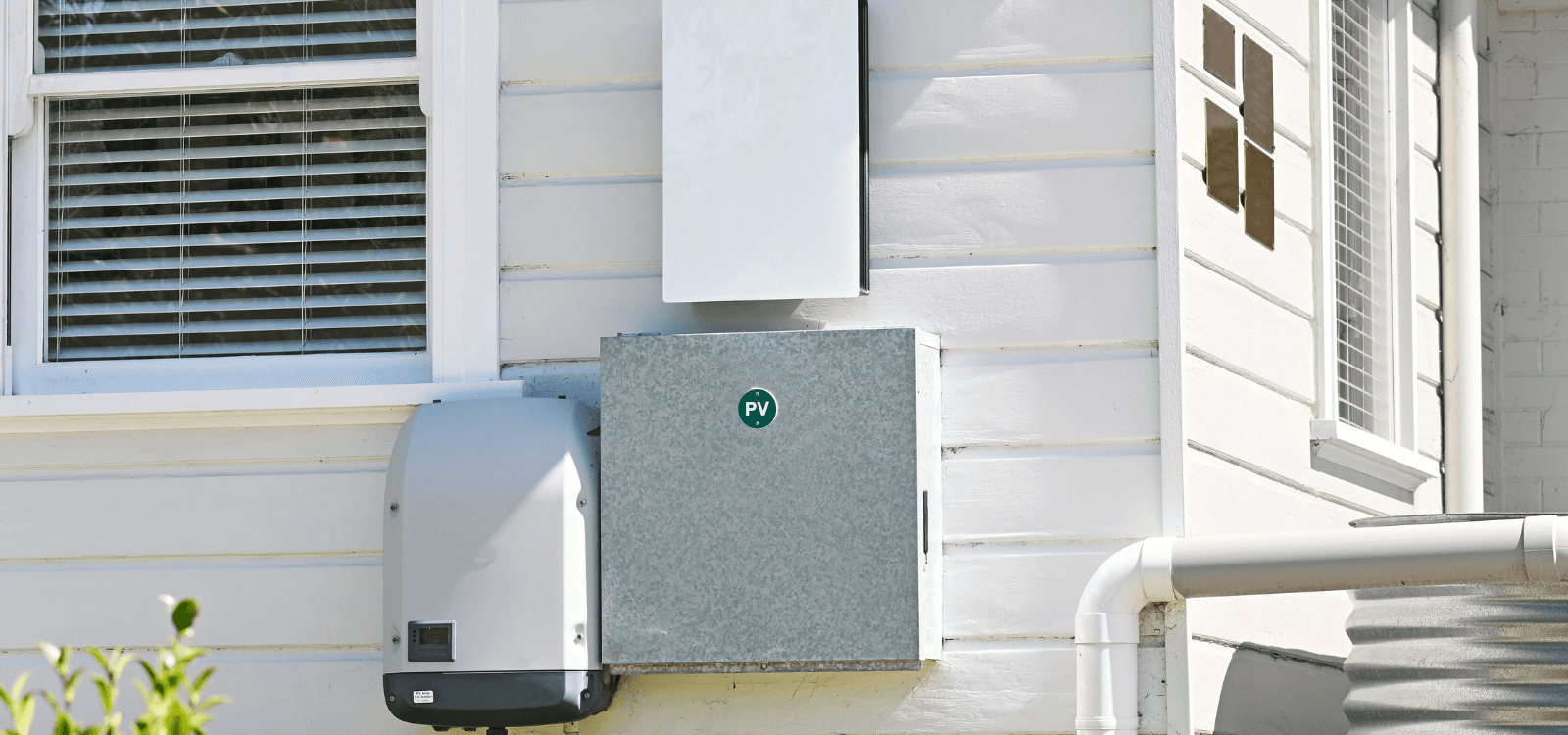
When a commercial solar inverter fails, the panels may still work, but the system can stop producing usable power. As older projects age, replacing obsolete equipment is becoming a major challenge and a growing opportunity for repowering.
What Happens When a Commercial Solar Inverter Fails?
Solar panels usually get most of the attention.
But the inverter is what keeps a commercial solar system producing usable electricity.
It converts the direct current (DC) generated by solar panels into the alternating current (AC) that buildings and the electric grid use every day.
Like any piece of equipment, it has a finite lifespan.
Why Inverters Eventually Fail
Commercial solar inverters operate continuously for years.
Heat, weather, electrical stress, and normal wear gradually reduce their performance until replacement becomes necessary.
When an inverter stops working, the panels may still be producing electricity.
The Panels Still Work. The System Doesn't.
Without a functioning inverter, the electricity generated by the panels cannot be converted into usable power.
That means a system rated at 1 MW may suddenly produce only a fraction of its expected output or stop generating electricity altogether.
In many cases, the panels themselves are still in good condition.
The problem is the equipment connecting them to the grid.
Replacing an Older Inverter Isn't Always Simple
On newer systems, inverter replacement can often be straightforward.
Older commercial projects are different.
Aging Equipment Creates New Challenges
Many commercial solar systems installed 10 to 20 years ago rely on large central inverters that are no longer manufactured.
Some of the original equipment suppliers no longer exist, making identical replacements difficult or impossible to source.
Modern inverter technology has also changed significantly, with many new systems using distributed string inverters instead of one or two centralized units.
Upgrading to newer equipment often requires:
- ●Electrical redesign
- ●Rewiring portions of the system
- ●Voltage compatibility adjustments
- ●Updated protection and monitoring equipment
Replacing the inverter can become a much larger modernization project than many owners initially expect.
A Growing Challenge for Aging Solar Fleets
Thousands of early commercial solar projects are now reaching the stage where major equipment replacement becomes unavoidable.
For many owners, the decision is no longer simply whether to replace an inverter.
It is whether the entire project should be modernized, repowered, or transferred to a new owner better positioned to invest in the upgrades.
Repowering Can Extend Asset Life
An inverter replacement is often the right time to evaluate the broader condition of a solar asset.
Modern equipment can improve reliability, simplify maintenance, and in some cases increase system performance without changing the project's footprint or grid connection.
As more first-generation commercial solar projects mature, inverter replacement is becoming one of the defining maintenance challenges of the industry's next phase.
It also presents an opportunity to reposition aging assets for another decade or more of productive operation.
Ready to Discuss Your Project?
Get your instant estimate or talk to our team about your legacy solar project.


