

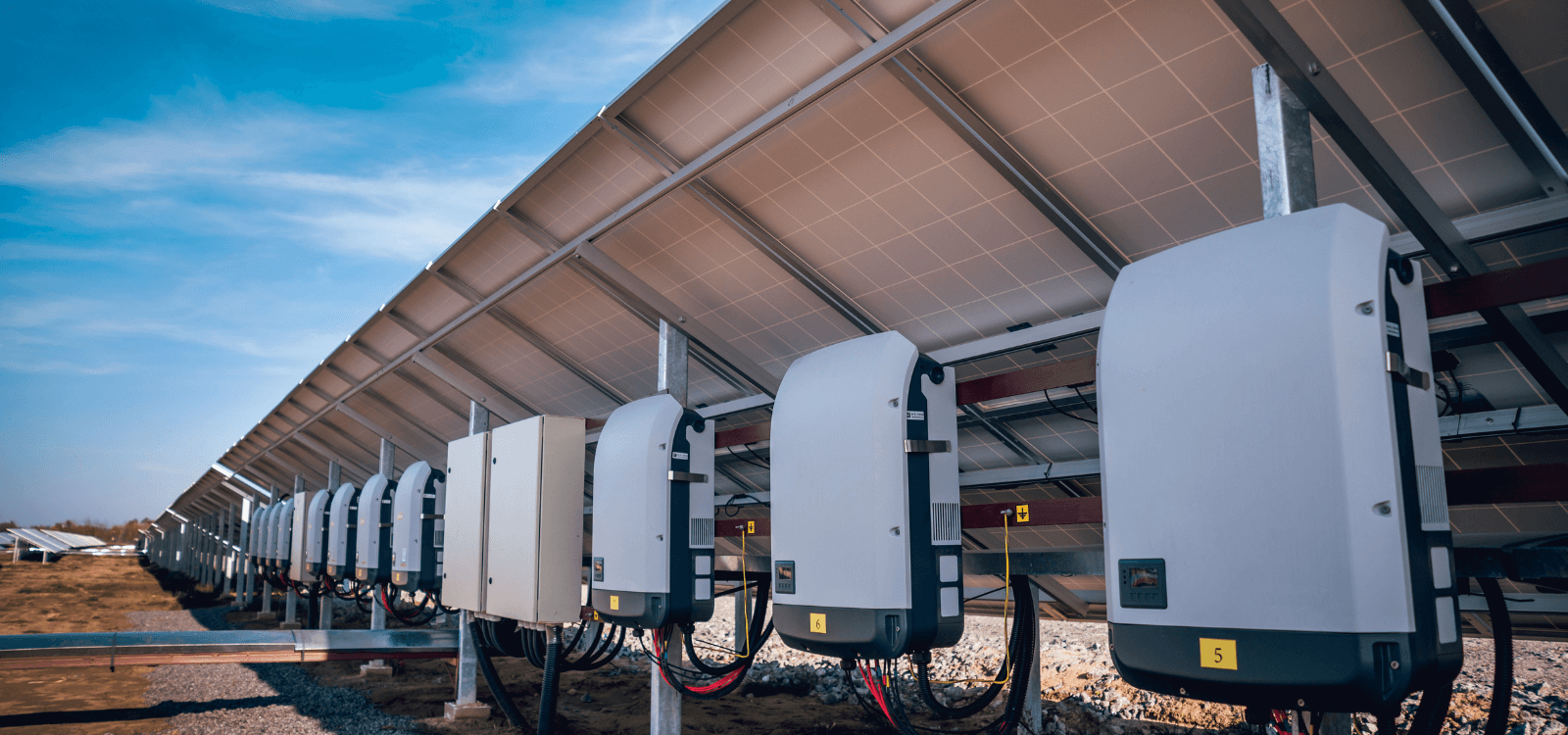
Got a commercial solar repair quote that seems high? Here's what to ask about the failure, replacement parts, exclusions, and costs before you approve.
A commercial solar repair quote is easier to judge when it separates what failed, what the fix requires, and what is optional, and when it spells out exactly what is included. Without that breakdown, a high number is hard to confirm or challenge.
Here is how it usually starts. Part of your solar system stops producing, so you call a contractor. They ask for monitoring records, equipment details, and access to inspect the system. After testing, they recommend replacing an inverter.
Then the quote arrives, covering equipment, labor, and electrical work, and the total is more than you expected. You may be the owner, a property manager, or a bank workout officer. Either way, you need to understand the cost before you approve the work or recommend paying for it.
What Should You Ask About the Failure First?
Start with the basics: what failed, whether it can be repaired instead of replaced, and whether any warranty coverage remains. A quote that jumps straight to a price without answering those three questions is skipping the part that decides whether the price is reasonable.
Ask the contractor to tie the recommendation to what the inspection and testing actually found. If the monitoring records and equipment details you supplied were part of the diagnosis, that should be reflected in the write-up.
Why Isn't Matching the kW Rating Enough for a Replacement Inverter?
Owners are often told the original inverter model is no longer available. That is common, and it does not make the quote wrong. But it does mean the replacement needs more than a matching kilowatt rating.
Two inverters with the same power rating can accept different voltages and currents from the panels. If the replacement is not electrically compatible with the existing array, the wiring arrangement may need to change to suit it. That can be a legitimate reason for added electrical work in the quote.
Ask the contractor to explain, in plain terms, why the chosen model works with your array and what wiring changes it requires. If the answer is vague, that is worth pressing on.
Does a Commercial Solar Repair Quote Need New Panels Too?
Solar panels generate electricity. The inverter converts it into power the building or grid can use. An inverter can fail while the panels still work, so a failed inverter alone is not a reason to replace panels.
If the quote does include new panels, ask what the inspection found that makes those replacements necessary. If some panels do need replacing, the contractor must confirm that the new ones fit the mounting system and work electrically with the remaining panels and the inverter.
How Do You Separate Necessary Repairs From Optional Upgrades?
Ask for a revised quote that splits the work into required repairs and optional upgrades. This is the single most useful change you can request, because it lets you compare the scope against the failure and decide what to approve.
Then check what each line covers. A complete quote should say whether it includes:
- ●Removal and disposal. Taking out the failed equipment and getting rid of it.
- ●Installation. Mounting and wiring the replacement equipment.
- ●Testing. Confirming the repaired system operates correctly.
- ●Monitoring. Restoring monitoring so you can see production again.
- ●Exclusions. Anything the quote does not cover, stated explicitly.
Exclusions matter most. A low number that leaves out disposal or monitoring is not actually low.
What Should You Agree On Before Approving the Work?
Before you sign off, get two things in writing. The first is a timeline, including scheduling and site access. The second is how additional costs will be approved if more damage turns up once work begins.
Agreeing on the approval process up front avoids disputes later. It also gives a property manager or a lender a clear record of what was authorized and why. If your original contract terms are unclear, our guide to tracking down commercial solar contract terms can help.
What If You'd Rather Not Deal With Any of This? (DGE take)
All of this may seem daunting, too complex, or too much work. There is another option: sell the system to us.
We buy these projects. Broken inverters, underproducing equipment, low generation, and chasing contractors who never show up can all become our headache instead of yours. We buy the system in the state it's in, fix it up, and run it for the foreseeable future.
If you want to understand the repair path first, see our post on what happens when a commercial solar inverter fails. If selling is already on your mind, read selling a commercial solar system that has become a liability.
Start With a Ballpark Estimate
If you would rather sell than repair, a quick read on what your system might be worth is the easiest first step. Enter your ZIP code, project type, system size, and the year it went live to see what your project may be worth.
Ready to Discuss Your Project?
Get your instant estimate or talk to our team about your legacy solar project.


