

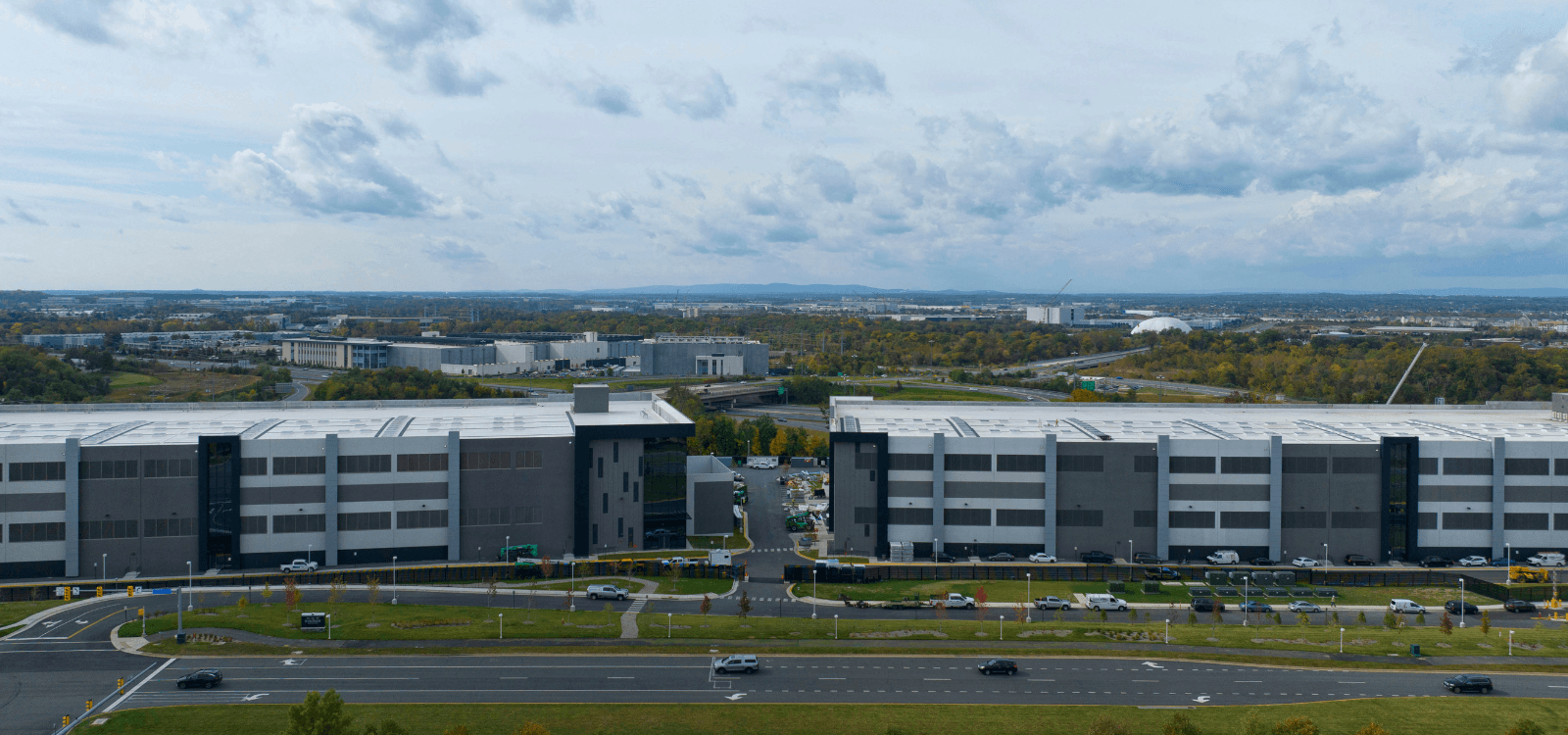
Data centers are starting to shift from being passive energy users to active grid participants through demand response. By adjusting when they use power, companies like Google are helping manage peak demand, but limits and policy questions remain.
Data Centers Are Being Asked to Act Like Grid Resources
Data centers have long been treated as fixed demand on the grid. Now they are being asked to do more than just consume electricity.
Instead of focusing only on how much power data centers use, regulators and utilities are starting to focus on when they use it. The shift is toward flexibility.
From Load to Demand Response
This approach is based on demand response. Large electricity users adjust or reduce power use during periods of grid stress in exchange for incentives, lower rates, or faster interconnection.
For data centers, this does not mean shutting down operations. It means shifting non-critical workloads to different times. Tasks like AI training or batch processing can be moved to periods when the grid is under less pressure, while real-time services remain unaffected.
How It Works in Practice
Google has already signed agreements to provide about 1 GW of demand response across its U.S. data centers. That is roughly equivalent to the output of a large power plant.
This allows Google to reduce or shift up to 1 GW of electricity demand when the grid is constrained. The company is working with utilities including Indiana Michigan Power, Tennessee Valley Authority, Entergy Arkansas, Minnesota Power, and DTE Energy, along with regulators and the Electric Power Research Institute to formalize how this flexibility can be treated as a grid resource.
Limits to Flexibility
Not all data centers can participate at the same level. Flexibility depends on facility design, workload type, and location. There are also limits to how much demand can be reduced without affecting performance.
Demand response is not a replacement for new generation, storage, or transmission. It is a way to manage the gap while demand grows faster than supply can be added.
That gap is significant. Up to 50 GW of new data center load is expected by 2030, while current demand response capacity remains limited.
Policy Is Starting to Catch Up
States are beginning to formalize this approach. Texas has passed legislation that includes demand response requirements for large loads. California is considering similar rules for data center contracts. Maryland and Colorado have proposed related measures, and Pennsylvania has introduced tariffs that reward large users for reducing demand during peak periods.
A Shift in Responsibility
The role of data centers is changing. Instead of being treated as passive demand, they are increasingly expected to support grid stability.
This raises practical questions. How much demand can data centers reduce without affecting performance? Should flexibility be incentivized or required as a condition of grid access? And when the grid is under stress, who should reduce demand first?
The answers will shape how large loads interact with the grid as electricity demand continues to grow.
Ready to Discuss Your Project?
Get your instant estimate or talk to our team about your legacy solar project.


