

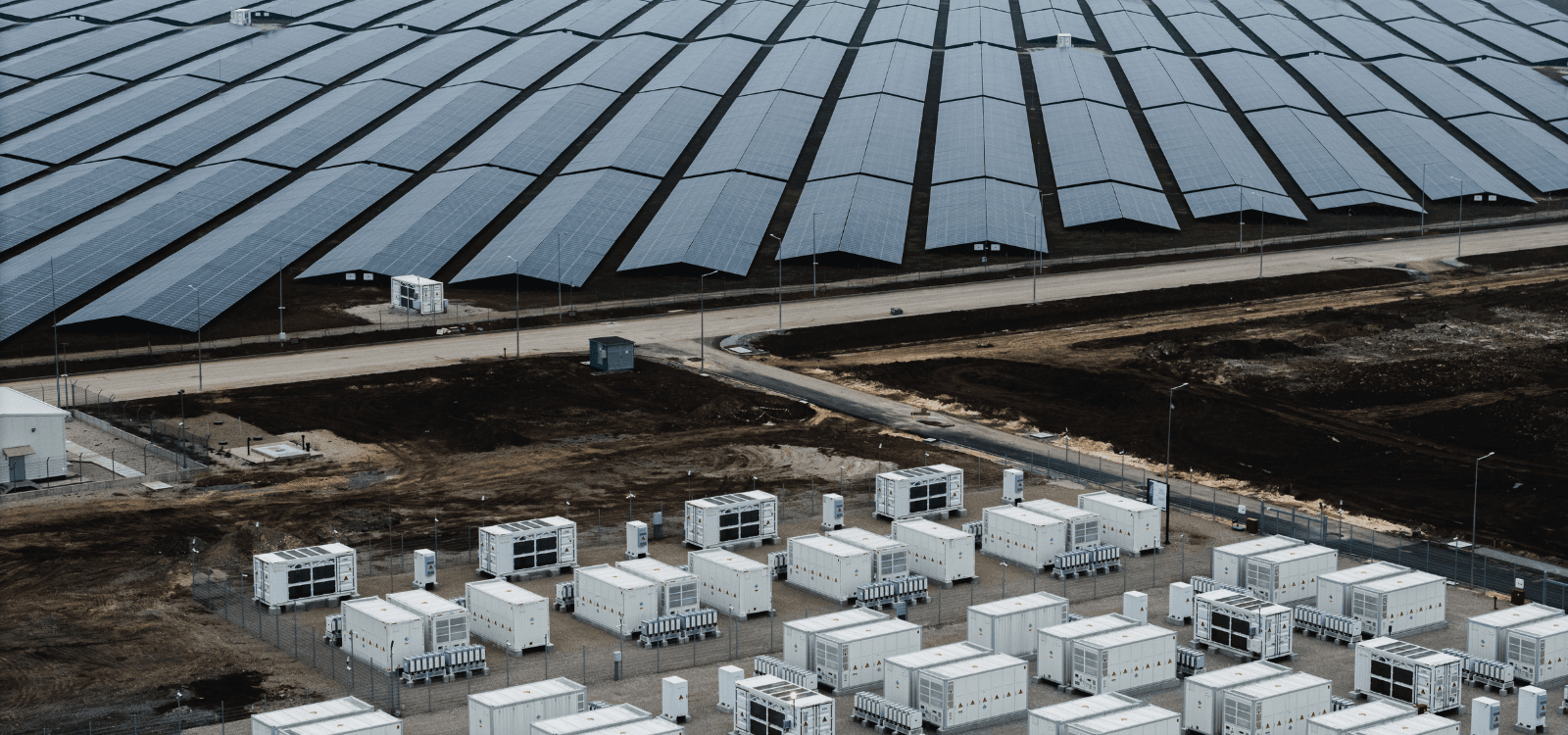
Malawi switched on its first utility-scale battery, a 20 MW/40 MWh system in Lilongwe built to store solar power and cut blackouts from four hours to two.
Malawi has switched on its first utility-scale battery energy storage system, a 20 MW / 40 MWh installation at Kanengo in Lilongwe. It is the first utility-scale storage project in southern Africa outside South Africa and Namibia.
The battery is designed to store solar energy and stabilize a grid that has leaned on one river system for decades. In a country where only about a quarter of people have electricity at all, that is a reliability milestone before it is a technology one.
The details are worth reading closely even if your solar sits half a world away. The problem Malawi is solving — generation assets that no longer match how the grid actually behaves — is the same problem showing up on aging systems in mature markets.
What Exactly Did Malawi Install?
Malawi commissioned a 20 MW / 40 MWh standalone battery energy storage system at Kanengo in Lilongwe — the country's first utility-scale battery, and the first in southern Africa outside South Africa and Namibia.
The two-hour duration matters. Forty megawatt-hours across 20 MW of power is sized to shift solar generation from midday into the evening peak and to ride through short disturbances, not to carry the grid overnight.
Standalone is the other detail worth noting. The battery is not tied to a single solar farm; it sits on the grid and absorbs whatever the system gives it, which is what makes it useful to a country adding solar in pieces rather than in one large block.
Why Does a Hydro-Heavy Grid Need Battery Storage?
Roughly two-thirds of Malawi's electricity comes from hydropower on the Shire River, with the rest from small thermal plants and a growing number of solar projects. That concentration is the vulnerability.
When river flows drop, or when reservoirs like Kapichira fill with silt or get damaged, there is less water available for the hydropower plants. Less water means directly less electricity for homes and businesses.
Hydro looks like firm capacity right up until the water stops. Malawi has already lived through that: Cyclone Freddy damaged several hydropower plants a few years ago, and lower Shire River flows linked to El Niño are squeezing generation now.
That history is why the country is adding solar and batteries rather than building more capacity on the same river.
How Much Solar Is Already on Malawi's Grid?
Malawi has about 100 MW of installed solar generation out of roughly 580 MW of total grid generation capacity. About one in six megawatts on the grid is now solar, and batteries help regulate that outflow.
That share is high enough that the timing of solar output starts to matter to grid operators — the same threshold at which storage stops being optional in larger markets. The economics elsewhere follow the same curve, with U.S. energy storage posting a record first quarter in 2026 as grids struggled to absorb variable output without help.
At one in six, a battery is not a pilot project. It is what lets the next tranche of solar connect without destabilizing what is already there.
What Will the Kanengo Battery Change for Customers?
According to Malawi's Electricity Supply Corporation (ESCOM), the Kanengo project is expected to help connect around 600,000 additional households to electricity and cut average blackouts from about four hours to less than two.
The numbers behind the project:
- ●20 MW / 40 MWh. The battery's power rating and storage capacity — roughly two hours at full output, aimed at the evening peak.
- ●~580 MW total grid capacity. Malawi's entire grid generation base, about 100 MW of which is solar.
- ●Two-thirds hydro. The share of electricity coming from the Shire River system, the concentration this project is meant to hedge.
- ●600,000 households. The additional connections ESCOM expects the project to help support.
- ●Four hours to under two. The expected reduction in average blackout duration.
- ●25% to 70%. Current electricity access versus the government's Mission 300 target for 2030.
Most Malawians live in rural areas far from the existing grid, connection fees are high, and many households cannot afford wiring and monthly bills. A battery in Lilongwe does not solve that on its own — but freeing up capacity and halving outage hours makes every new connection worth more.
Why Does a Welding Shop Care About Megawatt-Hours?
For local businesses, the reliability math is personal. Reuters interviewed Adrian Masoambeta, a welding shop owner who said frequent blackouts had made it hard to earn enough to pay his children's college fees.
He hopes the new battery system will finally make electricity reliable enough for small businesses to plan their work and income. That is the real output of storage — not megawatt-hours, but predictability.
Commercial owners in mature markets describe the same thing in different terms. A system that produces when you expect it to is worth more than a system with a bigger nameplate, which is why knowing whether your system is still performing matters more than knowing its rated capacity.
What Comes Next After Kanengo?
The government also plans three more battery storage systems with a combined capacity of 60 MW in two other cities, extending the benefits beyond Lilongwe.
That is the pattern worth watching: one project to prove the technology and the procurement process, then a fleet. Australia followed the same arc at far larger scale with the Waratah Super Battery, which stabilizes the grid and unlocks existing transmission capacity without building new lines.
Storage tends to arrive this way — as the cheapest way to get more out of infrastructure that already exists.
What Does Malawi's Battery Say About Aging Solar Elsewhere?
Malawi's experience shows how countries with low electricity access and hydro-heavy grids can use batteries to unlock more solar, reduce diesel use, and keep essential loads running when climate shocks hit.
The transferable lesson is not about Malawi's grid specifically. It is that storage is increasingly how existing generation becomes more valuable without adding a single new panel.
North Carolina is testing exactly that logic on the other end of the asset lifecycle, exploring whether batteries can give aging utility-scale solar farms a second life rather than retiring them.
For a commercial owner with a system built in the 2010s, that reframes the midlife decision. The question is not only whether the panels still produce, but whether the site is worth more with storage added, equipment repowered, or a different owner in place.
Start With What Your System Is Worth Today
Most owners of aging commercial solar are working from incomplete information — unclear ownership, stale monitoring data, and no recent read on actual production. Storage and repowering decisions get much easier once that gap is closed.
If you own a commercial system and have not looked at it closely in a few years, start by getting a ballpark on what your project may be worth before deciding whether to repower, retrofit, or sell.
Source: Reuters. Additional context from the World Bank and the Global Energy Alliance for People and Planet.
Ready to Discuss Your Project?
Get your instant estimate or talk to our team about your legacy solar project.


