

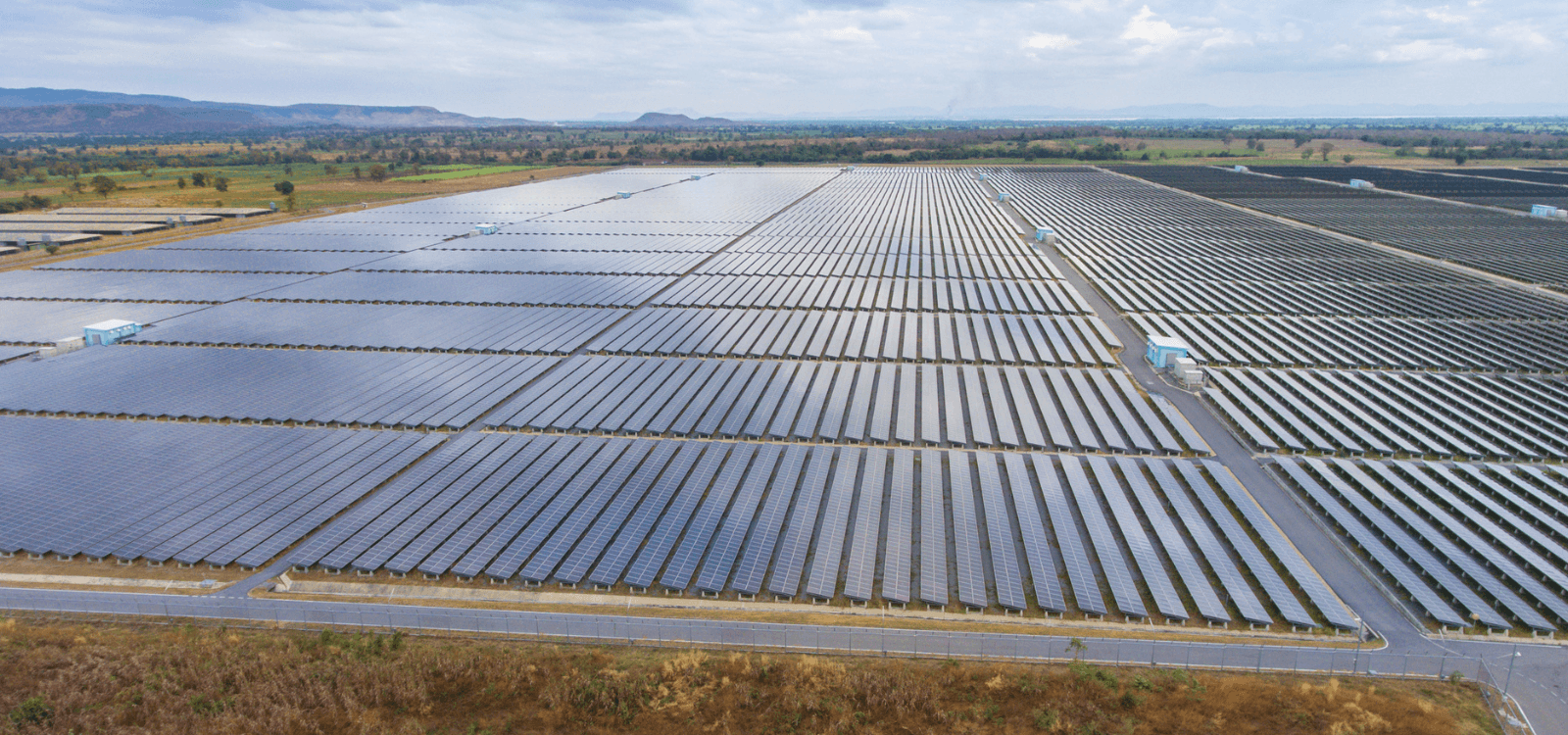
Massachusetts just ordered 10 GW of new energy and 5 GW of storage by 2035, combining solar, demand reduction, and firm power sources. The plan aims to manage rising demand and control costs, but key details on execution and impact are still unfolding.
Massachusetts Orders 10 GW of New Power and 5 GW of Storage by 2035
Massachusetts is planning its largest clean energy expansion to date, and it goes beyond renewables.
Governor Maura Healey recently signed an executive order directing the state to secure 10 GW of new energy capacity and 5 GW of energy storage by 2035. The goal is to manage rising electricity demand while limiting cost increases for residents and businesses.
Massachusetts already has about 5.8 GW of installed solar capacity, enough to power more than 960,000 homes, along with roughly 1 GWh of energy storage. The new plan builds on that foundation but expands the strategy.
A Mix of Supply and Demand Solutions
The 10 GW target is not limited to new generation. It combines new supply with demand-side measures.
So far, the plan includes:
- ●4 GW of new in-state solar
- ●3.5 GW from demand reduction, including energy efficiency, virtual power plants, and managed EV charging
That accounts for 7.5 GW of the total target. The remaining 2.5 GW will come from a mix of other sources, including wind, gas, nuclear, geothermal, and hydro. The final breakdown has not yet been defined.
Storage as a Core Component
In addition to new generation and demand reduction, the state is targeting 5 GW of energy storage. These systems are intended to support peak demand, shift energy use across time, and improve overall grid reliability.
Storage plays a key role in balancing variable generation and managing periods of high electricity use.
A Broader Approach to Reliability and Cost
This plan reflects a flexible approach. It combines renewable energy, dispatchable generation such as gas and nuclear, demand-side tools, and storage.
The objective is to add capacity, reduce strain during peak periods, and slow the pace of rising electricity costs as demand grows from electrification, electric vehicles, and economic activity.
State officials estimate the plan could deliver around $10 billion in savings over time.
Open Questions
While the targets are clear, several details remain uncertain.
The final mix of generation sources has not been specified. It is not yet clear how costs will be distributed between households, businesses, and infrastructure investments. There is also uncertainty around how quickly storage can scale and whether demand growth could exceed current projections.
What This Signals
Massachusetts is testing a broader model for grid expansion. Rather than relying on a single solution, it is combining multiple tools to manage both supply and demand.
As electricity use continues to grow, other states may face similar decisions. The question is not just how to add more power, but how to do it in a way that maintains reliability and keeps costs manageable.
Ready to Discuss Your Project?
Get your instant estimate or talk to our team about your legacy solar project.


