

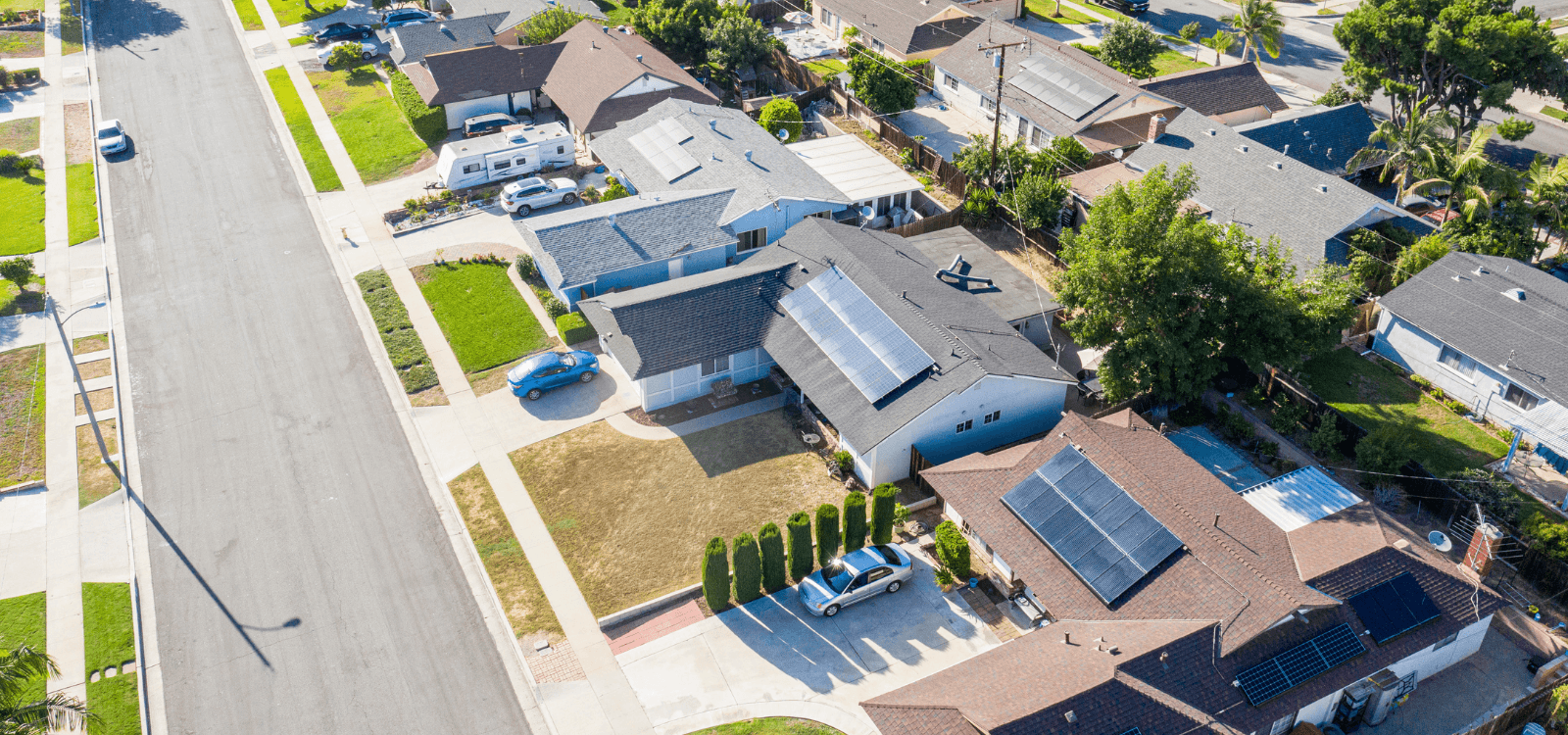
Michigan is advancing two bills that would create a statewide virtual power plant program, turning rooftop solar, batteries, and smart devices into grid assets. The move aims to improve reliability and reduce costs by using distributed energy instead of only building new infrastructure.
Michigan Moves Toward a Statewide Virtual Power Plant Program
Michigan is taking steps to use distributed energy in a more coordinated way. Two bills, SB 731 and SB 732, have advanced in the state Senate and would establish a statewide virtual power plant (VPP) framework.
Right now, Michigan does not have a unified VPP program. There are small pilot efforts, but no consistent rules, no standard compensation, and no requirement for utilities to use distributed resources. That makes it difficult for the private sector to scale participation.
These bills aim to change that.
Building the Framework
SB 731 focuses on structure. It defines how virtual power plants operate under Michigan law and allows distributed energy resources, including rooftop solar, home batteries, EV chargers, and smart devices, to be treated as grid assets.
Without that foundation, programs remain fragmented. Systems operate in isolation, with no shared standards or coordination.
Turning Policy Into Action
SB 732 moves from definition to implementation. It requires the Michigan Public Service Commission to create a statewide VPP program, require utilities to include VPPs in both distribution and transmission planning, and establish compensation for households and aggregators that provide grid services.
In practical terms, it shifts distributed energy from optional pilots to part of how the grid is planned and operated.
Why This Matters Now
Michigan has faced growing reliability challenges. Storm-related outages have left large numbers of customers without power, while demand continues to rise and infrastructure ages.
The traditional response is to build more generation and expand transmission. That approach takes time and requires significant capital.
VPPs offer another path by using resources that already exist on the grid.
What Other States Are Showing
States like California, Texas, and New York have already expanded VPP programs. In California, solar and battery systems have been used during heat waves to reduce peak demand and avoid emergency measures. In Texas, residential battery programs respond to price signals and support grid-constrained areas during summer peaks. In New York, utilities are expanding programs that pay households with batteries to provide grid support.
Across these markets, the results have been consistent: lower peak demand, fewer emergency interventions, and better use of existing infrastructure.
From Pilots to a System
Michigan’s proposal represents a shift from scattered pilot programs to a structured system. Instead of relying only on large power plants, the grid would begin to use distributed resources that are already installed to reduce pressure during peak demand and improve reliability.
Both bills now move forward in the legislative process. If passed, Michigan would take a step toward integrating distributed energy into core grid operations rather than treating it as a side program.
Ready to Discuss Your Project?
Get your instant estimate or talk to our team about your legacy solar project.


