

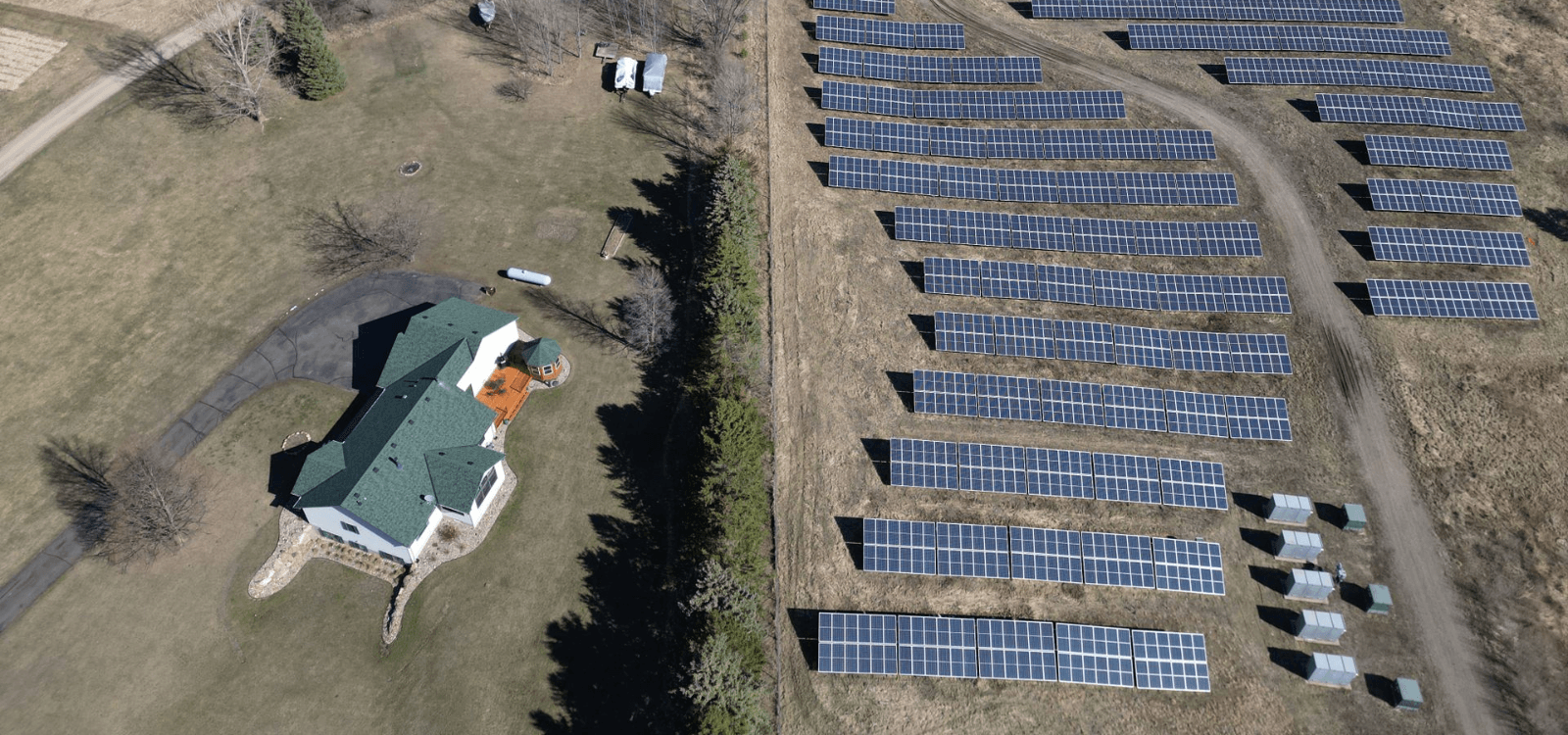
New Jersey approved a 3 GW expansion of its community solar program, along with new battery storage and solar projects. The move aims to lower electricity costs, expand access for low- and moderate-income households, and add flexible power to a grid under pressure.
New Jersey Approves the Largest Community Solar Expansion in U.S. History
New Jersey has approved a major expansion of its clean energy programs, anchored by a 3,000 MW increase in community solar capacity. The decision, issued by the New Jersey Board of Public Utilities, also includes new battery storage incentives and additional solar development.
The move comes as electricity prices rise across the region and PJM Interconnection faces tightening capacity conditions. The state’s response combines three approaches: expand solar, add storage, and broaden access to clean energy.
Battery Storage to Support the Grid
New Jersey approved incentives for three stand-alone battery energy storage projects totaling 355 MW under the Garden State Energy Storage Program. These include Woods Landing Storage (200 MW) in Sayreville, Two Rivers Energy Storage (150 MW) in Ridgefield, and a 5 MW project in Bordentown.
These systems are designed to provide flexible power during peak demand and help stabilize wholesale electricity prices. The state estimates they could generate more than $169 million in savings by reducing price spikes.
The state also opened a second solicitation for an additional 645 MW of storage capacity. If fully built, New Jersey would reach 1 GW of transmission-scale storage and move closer to its broader target of 2 GW by 2030.
New Solar Projects and Expansion
Under the Competitive Solar Incentive program, the state selected three projects totaling about 24 MW. These include Court at Deptford Solar (4 MW), Deptford Landfill Solar (10 MW), and a 10 MW floating solar project at the Wanaque Reservoir, which could become the largest floating solar installation in the United States.
A new solicitation will open with a notable change: for the first time, projects 20 MW and larger will be eligible, signaling a broader push to scale solar deployment.
A Major Expansion of Community Solar
The largest component of the decision is the expansion of the Community Solar Energy Program by 3,000 MW. That capacity is enough to serve roughly 450,000 subscribers, more than ten times the size of the current program and equivalent to about 10–15% of households in the state.
Community solar allows customers to subscribe to off-site solar projects and receive bill credits without installing panels on their own property. This is particularly important for renters and households without suitable rooftops.
Access and Affordability Requirements
The expanded program includes clear requirements. At least 51% of each project must serve low- and moderate-income households, and those subscribers must receive a minimum 25% discount on their electricity bills. Projects will be accepted through 2029 or until the full 3,000 MW allocation is reached.
So far, the existing program has delivered more than $70 million in bill credits and $14 million in net savings to over 37,000 subscribers.
A Coordinated Approach to Rising Demand
New Jersey’s strategy combines distributed solar, battery storage, and expanded access to clean energy. Smaller solar projects can come online faster, battery systems can support the grid during peak periods, and community solar extends cost savings to a broader population.
These measures are not a complete solution to rising electricity prices, but they are a targeted response to a tightening power market. By pairing supply growth with cost mitigation and broader access, the state is trying to balance reliability, affordability, and clean energy deployment at the same time.
Ready to Discuss Your Project?
Get your instant estimate or talk to our team about your legacy solar project.


