

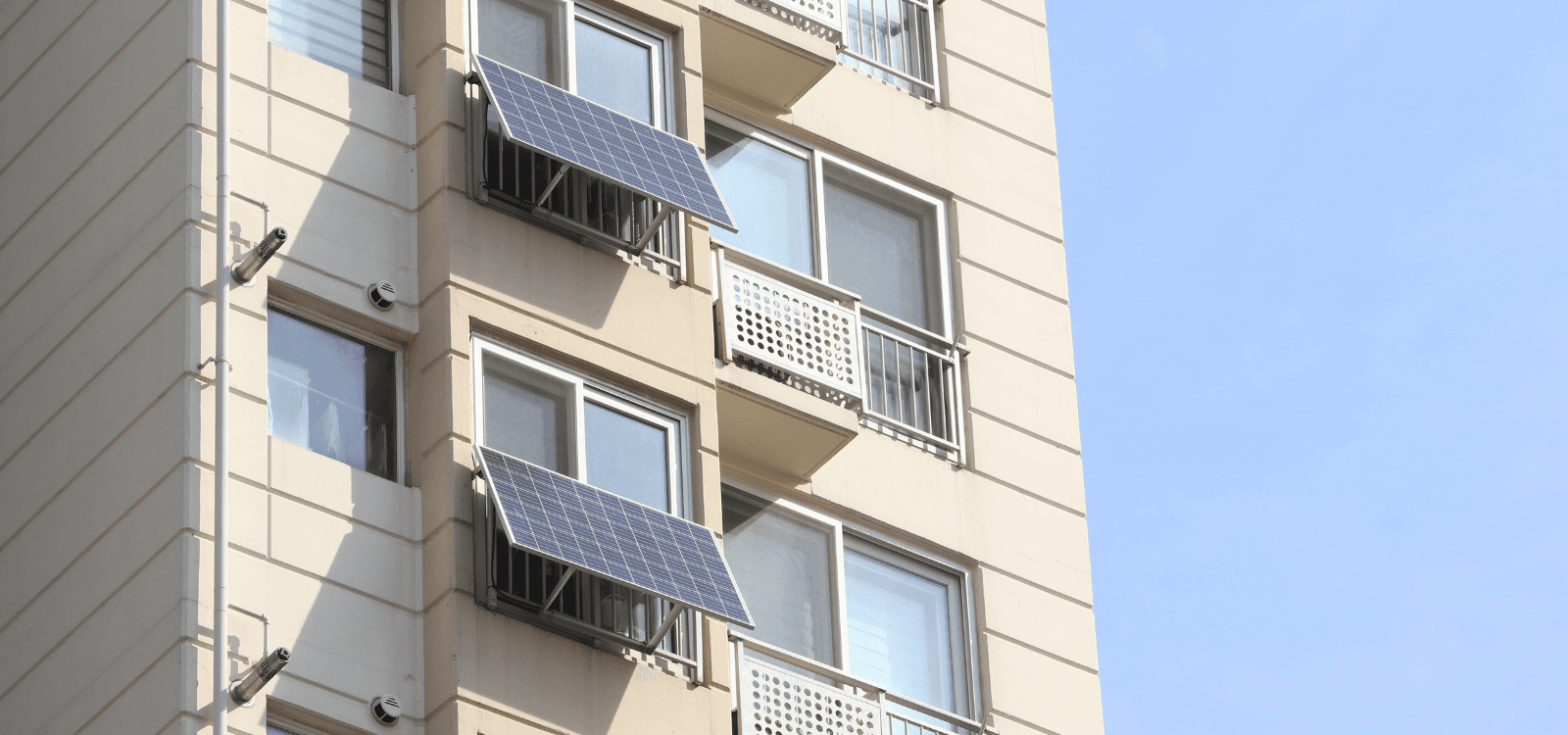
New Jersey lawmakers have approved legislation to legalize plug-in solar systems, giving renters and apartment residents a clear path to generate their own electricity without traditional rooftop installations.
New Jersey Is One Step Closer to Making Plug-In Solar Legal for Renters
For years, rooftop solar has been one of the best ways for homeowners to lower their electricity bills.
But millions of renters and apartment residents have largely been left out because they don't own the roof.
New Jersey is taking a step to change that.
State lawmakers have unanimously passed the Garden State Plug-In Solar Act (S2368/A4836), legislation that would allow residents to use small plug-in solar systems on balconies, patios, and porches. The bill now awaits Governor Phil Murphy's signature.
What Is Plug-In Solar?
Unlike traditional rooftop solar systems, plug-in solar is designed to be much simpler.
A small solar panel with a built-in microinverter plugs directly into a standard electrical outlet, allowing residents to generate some of their own electricity without installing a full rooftop system.
Because these systems are smaller and easier to install, they can make solar accessible to people who don't own their homes.
Why the Law Was Needed
New Jersey's existing solar regulations were written for traditional rooftop installations.
Those systems typically require permits, inspections, and utility interconnection before they can operate.
Plug-in solar wasn't addressed by those rules, leaving renters and apartment residents without a clear legal path to use the technology.
Updating Rules for New Technology
The Garden State Plug-In Solar Act modernizes those regulations.
Under the legislation, landlords, condominium associations, and similar housing organizations generally could not prohibit qualifying plug-in solar systems through leases or community rules.
They would still be allowed to establish reasonable requirements regarding system size, placement, and safety.
The goal is to remove outdated barriers while maintaining appropriate standards for residential buildings.
Expanding Access to Solar
For homeowners, installing rooftop solar is often a personal choice.
For renters, that option usually doesn't exist.
Plug-in solar offers another path by allowing residents to offset a portion of their electricity use without making permanent changes to the property.
While these systems won't produce as much electricity as a rooftop installation, they can provide meaningful savings for households that previously had few opportunities to participate in solar generation.
New Jersey Would Join a Growing List of States
If Governor Murphy signs the bill into law, New Jersey will join eight other states that have already created a legal framework for plug-in solar, including:
- ●Maryland
- ●Connecticut
- ●Colorado
- ●Virginia
- ●Vermont
- ●Maine
- ●New Hampshire
- ●Utah
As more states adopt similar policies, plug-in solar is becoming a practical option for a broader range of households.
The Technology Was Ready. The Rules Were Not.
Plug-in solar is not a new technology.
For many communities, the biggest obstacle has been regulations that were written before these systems became widely available.
New Jersey's proposed legislation reflects a broader shift toward updating energy policies to match today's technology.
For renters and apartment residents, it could represent one more way to participate in the clean energy transition without needing to own a home or install a traditional rooftop solar system.
Ready to Discuss Your Project?
Get your instant estimate or talk to our team about your legacy solar project.


