

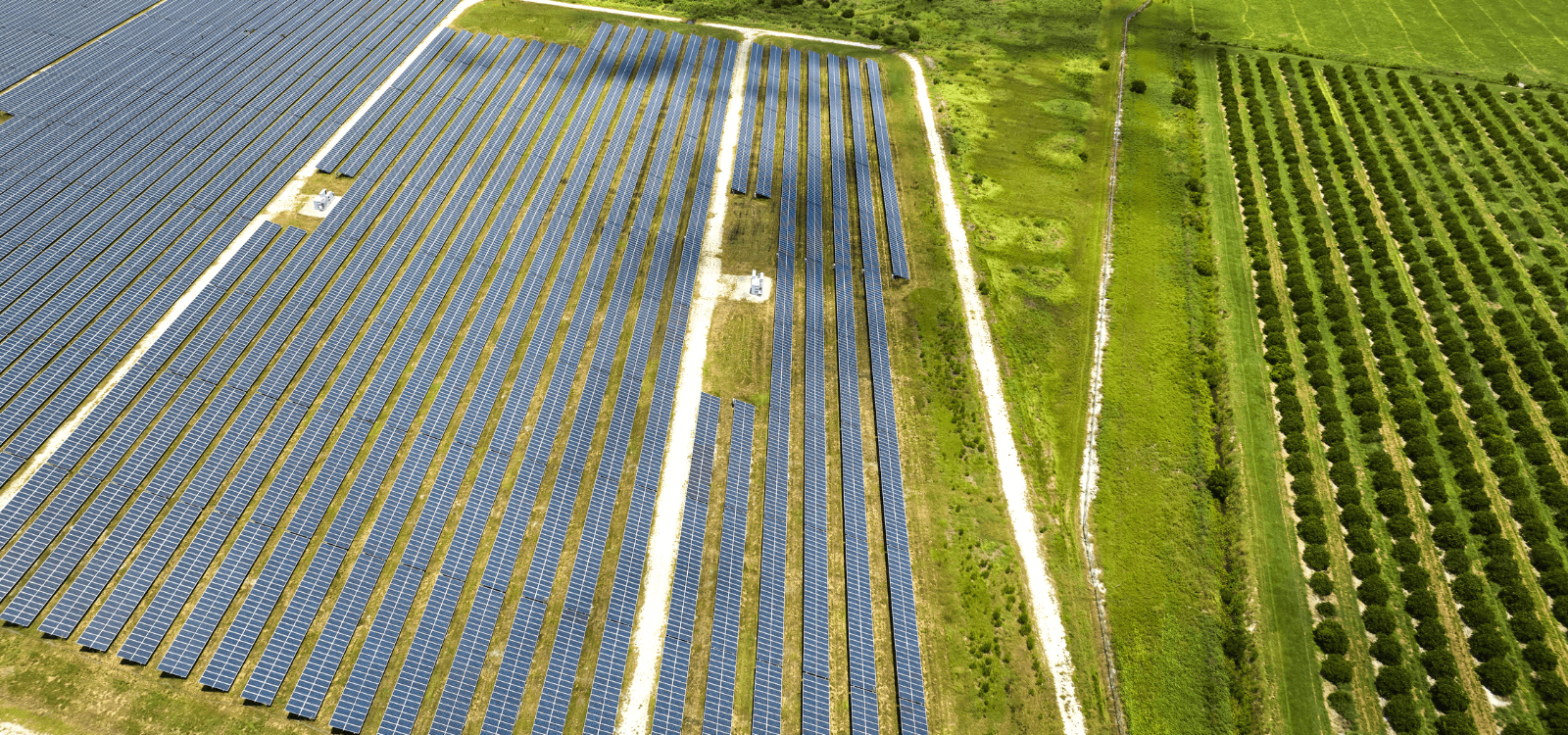
Around 3 GW of approved solar and wind projects in New York are stalled as tariffs push costs up by about 30%. Developers can’t make the numbers work under existing contracts, leaving clean energy projects in limbo and raising questions about how to balance cost control with project viability.
3 GW of Clean Energy Is Stuck in New York
More than two dozen projects have already won competitive bids through NYSERDA. They are permitted, approved, and ready to build. But construction has not started.
The issue is cost.
Tariffs Changed the Economics
New tariffs on imported materials such as steel, solar panels, and wind turbine components have increased project costs by about 30%, according to the Alliance for Clean Energy New York.
These projects were priced before those tariffs were in place. At today’s cost levels, many no longer pencil out.
If developers move forward under the original contracts, they risk losing money. If the economics do not work, financing falls apart. As a result, projects stall before construction begins.
Contracts vs. Reality
Developers have asked to cancel or renegotiate contracts so they can rebid at updated prices. NYSERDA has not broadly allowed that.
The agency’s position is straightforward. Contracts were competitively awarded and designed to protect ratepayers from price volatility. Adjusting them after the fact could increase costs or shift risk in ways that are difficult to manage.
This creates a standstill. Developers are being asked to proceed under terms that no longer reflect current market conditions.
What’s at Risk
The impact goes beyond individual projects.
- ●About 3 GW of clean energy capacity remains unbuilt
- ●Billions in federal tax incentives could be lost
- ●Fully permitted projects remain idle
Many of these projects have already secured federal tax credits. If they do not move forward in New York, developers can shift those investments to other states where project economics are more favorable.
A Supply Problem in the Making
These projects were expected to add new generation, help stabilize electricity prices, and support New York’s climate targets. With them delayed, supply remains constrained while demand continues to grow.
That imbalance puts continued pressure on prices.
The Tradeoff
This situation highlights a broader dilemma. Fixed-price contracts were designed to protect ratepayers. Tariffs changed project costs after those contracts were signed.
Holding the line protects pricing discipline but risks losing projects. Adjusting contracts could enable construction but may increase near-term costs.
The path forward depends on how that tradeoff is resolved.
Ready to Discuss Your Project?
Get your instant estimate or talk to our team about your legacy solar project.


