

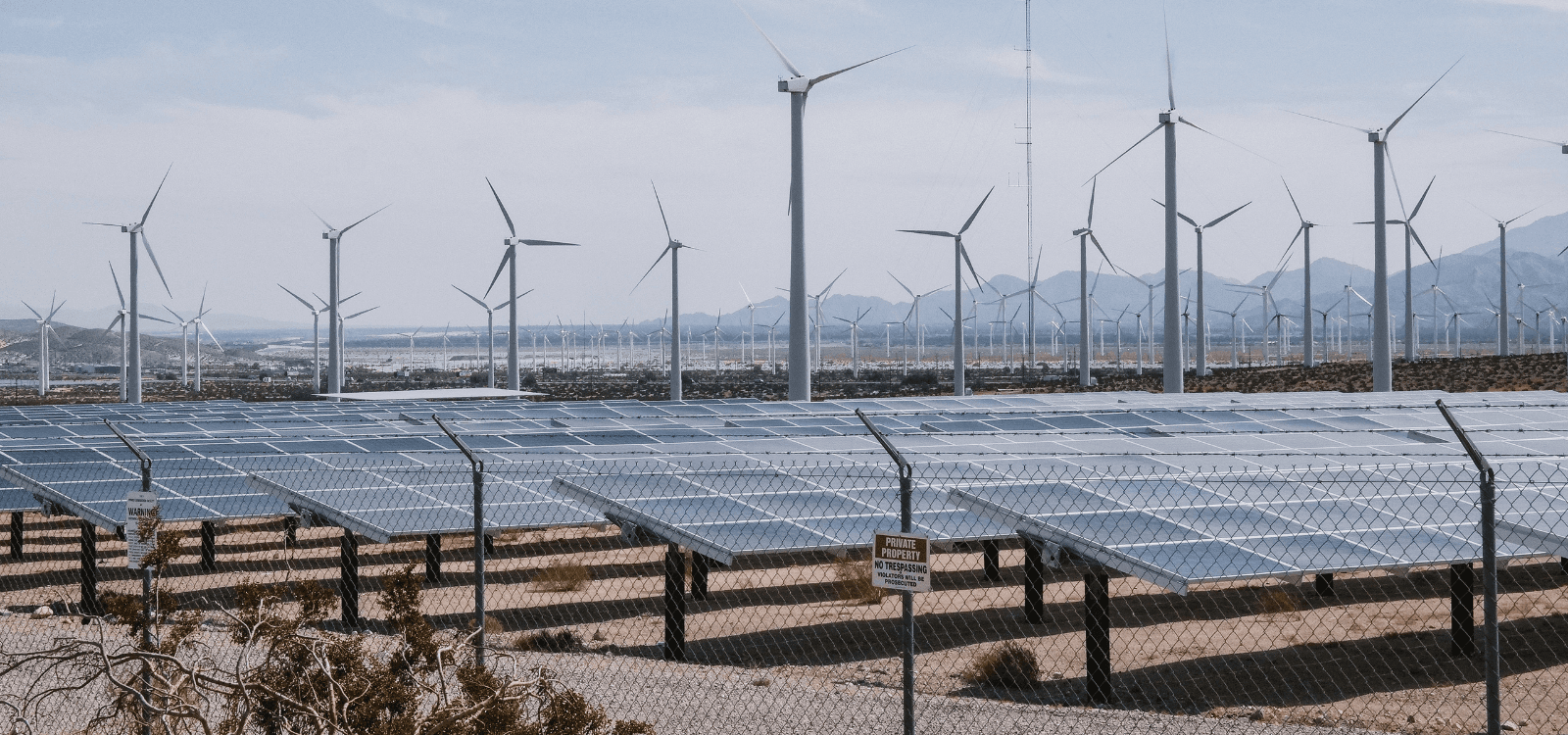
New York approved Oxbow Hill Solar, a 140-MW project sharing land and a grid line with a wind farm. Why co-location speeds up clean energy buildout.
In July 2025, New York approved Oxbow Hill Solar, a 140 MW solar project in the Town of Fenner in Madison County. The developer is Cypress Creek Renewables.
What makes the project notable isn't only its size. It's being built alongside an existing wind farm and will use grid infrastructure that's already there.
Here is what New York approved, why co-locating solar with existing infrastructure matters, and what the project shows about building clean energy faster.
What Is the Oxbow Hill Solar Project?
Oxbow Hill Solar is a 140 MW solar project in the Town of Fenner, Madison County, that received its final siting permit from New York's Office of Renewable Energy Siting (ORES) on July 11, 2025. It is expected to power about 23,000 homes.
The key details:
- ●Capacity. 140 MW.
- ●Developer. Cypress Creek Renewables.
- ●Location. Town of Fenner, Madison County, New York.
- ●Homes powered. About 23,000.
- ●Emissions. More than 177,000 metric tons of carbon dioxide offset annually.
- ●Jobs. About 330 during construction.
Why Does Co-Locating Solar With Wind Matter?
Oxbow Hill is the first project ORES has approved that combines wind and solar on the same site, sharing space with the existing Fenner Wind Farm. It will connect to the grid through the existing Fenner Wind to Whitman Road 115-kV line operated by National Grid.
Co-location makes practical use of what's already in place:
- ●Existing grid connection. Using an established line avoids building new transmission.
- ●Shared land. Solar fills space around wind turbines instead of claiming a new site.
- ●Complementary output. Solar produces during the day, while wind often picks up at night and in colder months.
Interconnection is one of the biggest bottlenecks for new projects. An Illinois developer used a similar approach to shorten interconnection by tying into existing gas plant infrastructure.
The fastest megawatt is often the one that uses a grid connection that already exists.
How Fast Did New York Permit Oxbow Hill?
ORES took Oxbow Hill from a complete application to a final permit in less than a year, according to New York Construction Report. For a project of this size, that is a fast timeline.
The milestones:
- ●Application deemed complete. November 18, 2024.
- ●Draft permit issued. January 14, 2025.
- ●Final permit issued. July 11, 2025.
ORES was created to consolidate siting reviews for large renewable projects under a single state process, known as Article VIII. Before that, large projects went through the slower Article 10 process.
A predictable state timeline matters to developers because delays add financing costs and push back the date a project starts earning revenue. For the grid, it means new supply arrives sooner.
How Many Large Projects Has New York Approved?
New York has permitted 28 large-scale clean energy projects since 2021, according to ORES: 24 under Article VIII and 4 under the earlier Article 10 process. That momentum matters for a state facing tight supply.
New York has also set long-range targets for solar and storage. We covered the state's draft plan for 35 GW of solar and 9.4 GW of storage by 2040.
Approvals are only the first step, though. Projects still need financing, equipment, and construction crews before they deliver power.
Did Oxbow Hill Face Local Opposition?
State approval didn't end the debate. Madison County officials and some residents have pushed back on the project, raising concerns about farmland and local control.
That tension is common for large solar farms. We covered it in detail in the Madison County solar farm debate.
Research suggests opposition depends heavily on project size and how permitting is handled. State-level siting tends to reduce conflict, as we covered in how state permitting cuts solar siting conflict.
What Makes a Clean Energy Project Move Faster?
Projects move faster when they reuse existing land and grid connections, avoid long interconnection waits, and follow a clear state permitting path. Oxbow Hill checks all three.
The lessons from this approval:
- ●Reuse infrastructure. Existing lines and sites cut cost and time.
- ●Avoid permitting delays. A predictable state process helps projects reach a decision.
- ●Deliver measurable value. Clear output, emissions, and job benefits help build support.
- ●Set a doable timeline. Realistic schedules help projects actually get built.
The next step for New York is making sure storage, transmission, and local support move as efficiently as permits.
What Does This Mean for Existing Solar Owners?
The same logic applies to solar that's already built. The cheapest capacity to add is capacity that already has land, equipment, and a grid connection.
Many commercial systems installed in the 2010s are producing less than they should because of aging inverters or degraded panels. Repowering an aging PV system can restore that output using the site and interconnection already in place.
That avoids the hardest parts of building new: finding land, winning local approval, and waiting in an interconnection queue. For a state short on new supply, getting existing systems back to full output is some of the fastest capacity available.
Start With a Ballpark Estimate
If you own a commercial solar system that isn't performing the way it used to, it may be worth more than you think. Find out what your existing solar project may be worth before deciding whether to repair, repower, or sell.
Sources: Renewables Now, "Cypress Creek gets green tick for 140-MW solar project in New York"; New York Construction Report, "ORES issues permit for 140-megawatt solar project in Madison County"; Spectrum News, "New solar facility approved in Madison County"
Ready to Discuss Your Project?
Get your instant estimate or talk to our team about your legacy solar project.


