

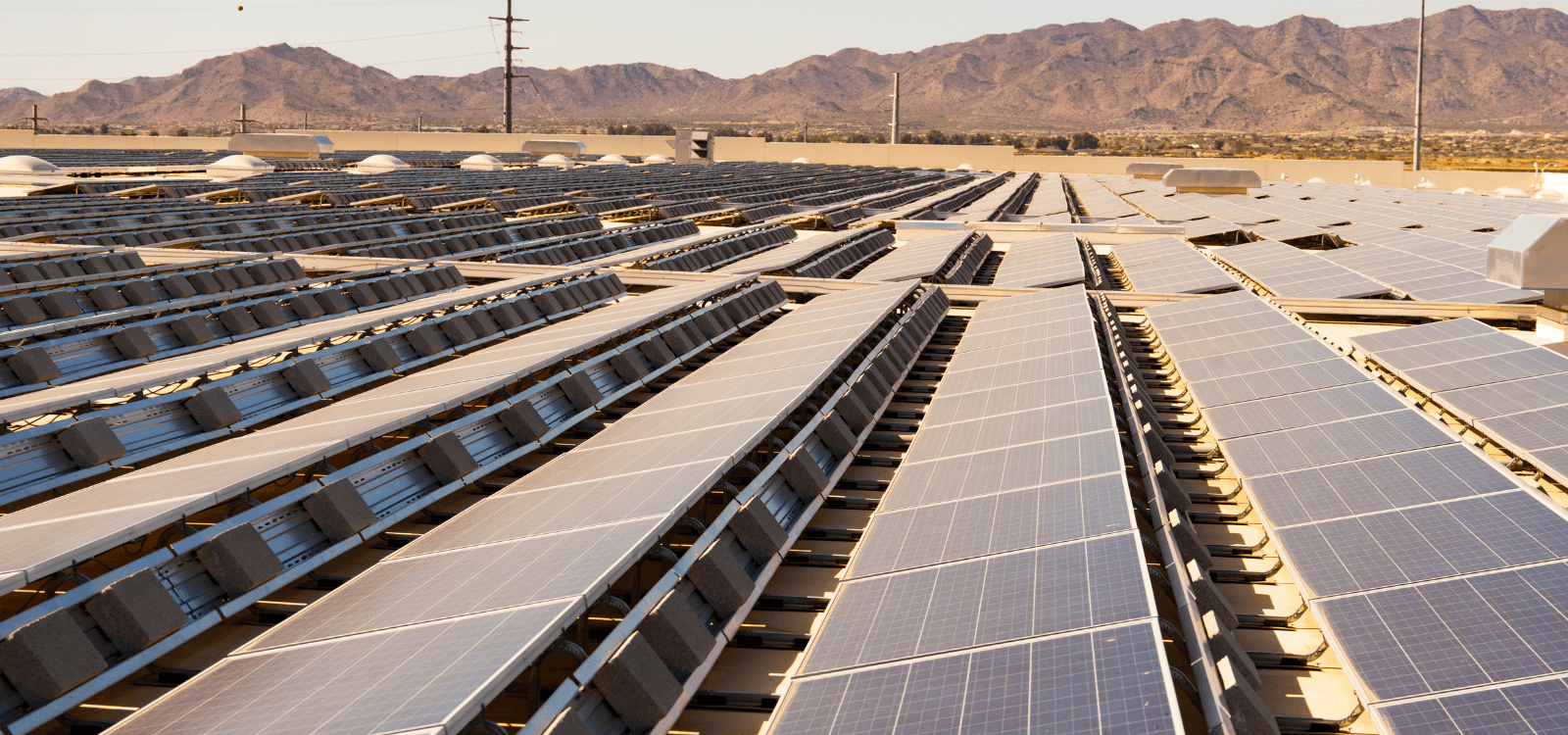
A new economic study estimates that slowing new solar and wind development could add more than $121 billion to U.S. energy costs by 2033 as utilities turn to more expensive alternatives.
Slowing New Solar and Wind Could Cost U.S. Consumers $121 Billion
A new economic study suggests that restricting new renewable energy projects could make electricity more expensive, not less.
According to research by NERA Economic Consulting, slowing the deployment of new solar and wind projects between 2027 and 2033 could increase combined electricity and natural gas costs by approximately $121.2 billion.
Most of that burden would fall on consumers.
Households Would Bear Most of the Cost
The study estimates:
- ●Households would pay an additional $81.2 billion.
- ●Businesses would face roughly $40 billion in higher energy costs.
Competitive Markets Could See the Largest Increases
The projected impacts vary by region.
In Texas, average electricity prices could be as much as 22% higher under the modeled scenario.
New York could see electricity prices increase by around 11%, while other competitive electricity markets would also experience meaningful cost increases.
Why Prices Increase
The study argues that electricity demand continues to grow, driven by AI, data centers, electrification, and broader economic expansion.
At the same time, utility-scale solar and wind remain among the lowest-cost and fastest sources of new electricity generation.
If One Resource Is Removed, Another Must Replace It
The grid cannot simply ignore rising demand.
If renewable projects are delayed or blocked, other generation sources must fill the gap.
According to NERA's modeling, that would require an additional 32 GW to 38 GW of natural gas generation by 2033.
That means:
- ●More gas-fired power plants
- ●Higher fuel consumption
- ●Greater exposure to natural gas price volatility
This Is Primarily a Cost Analysis
The study was prepared by NERA for the Corporate Energy Buyers Association, an organization representing large commercial and industrial electricity buyers.
Rather than focusing on emissions, the analysis examines how different generation portfolios affect customer energy costs.
The conclusion is straightforward.
When multiple technologies compete to provide new electricity supply, lower-cost resources can help reduce overall system costs.
If policies limit access to those lower-cost resources, the remaining generation mix becomes more expensive, and those costs ultimately flow through to customers.
The Bigger Question
Electricity demand is expected to continue rising for years.
Meeting that demand will require significant investment in new generation, transmission, storage, and grid infrastructure.
The debate is no longer simply about which technologies should be built.
It is also about how limiting certain resources changes the overall cost of supplying reliable electricity, and who ultimately pays that difference.
Ready to Discuss Your Project?
Get your instant estimate or talk to our team about your legacy solar project.


